
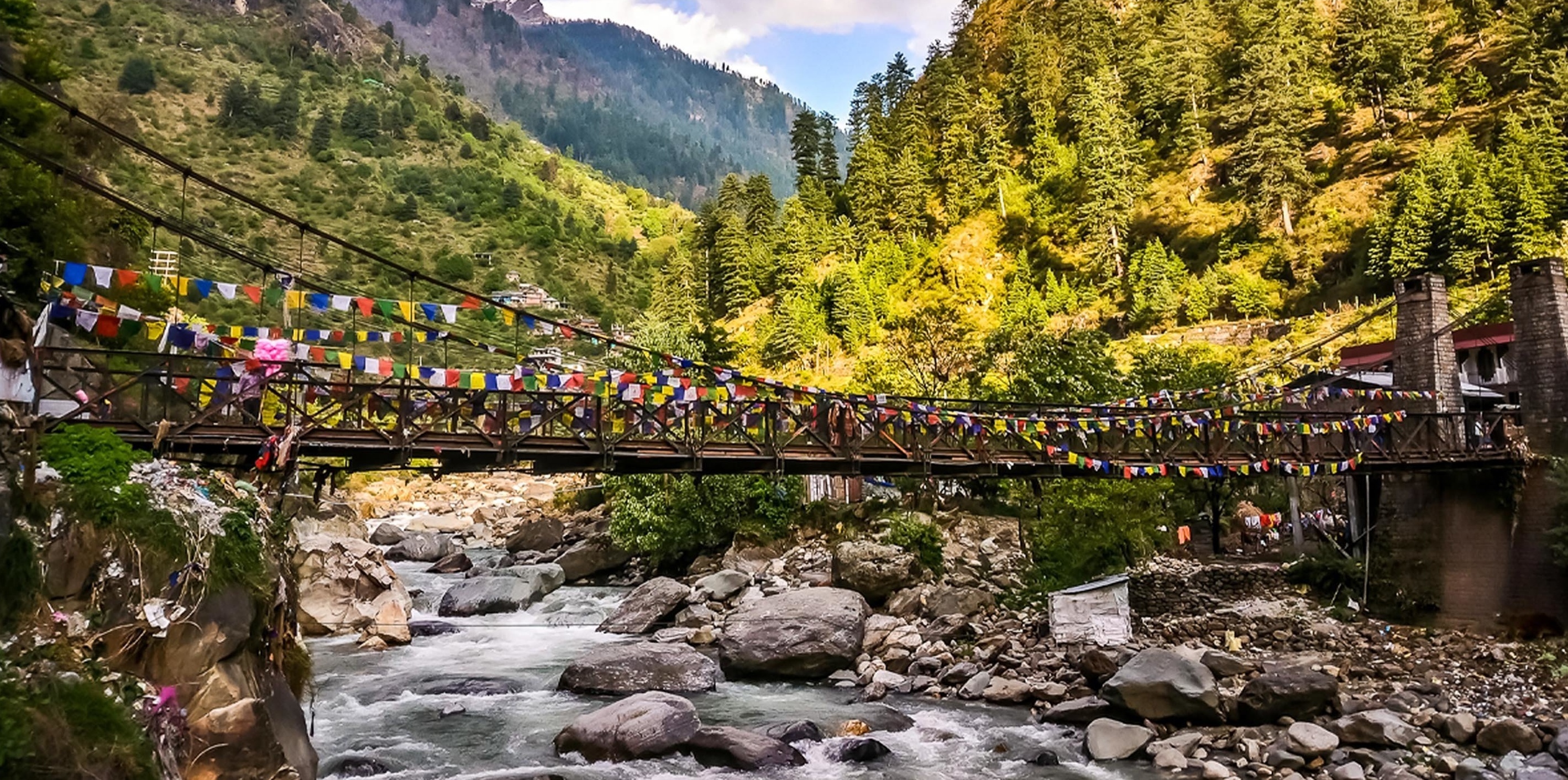
Why Kheerganga Trek is on every trekker's list
The Kheerganga trek is a 12–13 km one-way trail in Parvati Valley, Himachal Pradesh, rated Easy–Moderate, with natural hot springs at ~2,960 m — ideal for first-time Himalayan trekkers.
Tucked deep inside the Parvati Valley of Kullu District, Himachal Pradesh, the Kheerganga trek is the perfect entry point into Himalayan trekking. It ends at a high-altitude meadow famous for its natural sulphur hot springs, sweeping views of the Parvati River valley, and an atmosphere that blends spiritual reverence with a warm trekker community.
Quick Stats
Detail Info One-way Distance ~12–13 km (route-dependent) Summit Altitude ~2,960 m (9,711 ft) Starting Altitude (Barshaini) ~2,200 m (7,218 ft) Elevation Gain ~760 m Difficulty Easy – Moderate Best Time May–Jun & Sep–Oct Trek Duration 5–6 hrs one way Permit Required Yes — Forest Department, Barshaini checkpost Base Village Kasol / Barshaini
Few treks in India offer the combination of accessibility, natural reward, and cultural richness that the Kheerganga trek does.
Natural hot springs at the summit are the undisputed highlight. After hours on a mountain trail, slipping into warm sulphur pools while surrounded by snow-dusted peaks is an experience that keeps trekkers returning year after year.
Parvati Valley scenery unfolds across every kilometre of the trail — dense deodar and oak forests, cascading waterfalls, wildflower meadows, and the thundering Parvati River below. The valley's dramatic topography also makes it a stepping stone to more demanding routes like the Pin Parvati Pass trek.
Spiritual significance runs deep here. Hindu legend holds that Lord Shiva meditated at Kheerganga for thousands of years; the hot springs are believed to be a divine blessing. A small Shiva shrine at the summit meadow is still an active place of worship, adding a layer of meaning beyond the scenic.
Beginner-friendly profile makes this an ideal first Himalayan trek. There are no technical sections, fixed ropes, or glacier crossings. The elevation gain of roughly 760 m is achievable for anyone with moderate fitness, and the trail is well-marked with tea stalls and rest points along the way.
Finally, Kasol — the colourful base town — offers excellent budget guesthouses, cafés, and a welcoming international trekker community. See our Kasol Travel Guide for a full overview.
At a glance
Ask TrekSage about Kheerganga Trek
Get instant answers grounded in verified trek data — beginner-friendliness, best months, permits, packing, and more.
The route at a glance
All treks to Kheerganga begin at Barshaini, a small village ~14 km beyond Kasol accessible by shared cab or jeep. From Barshaini there are two established routes.
Route 1: Barshaini to Kheerganga via Kalgha
Distance: ~13 km one way | Elevation gain: ~760 m | Time: 5–6 hours
This is the recommended route for first-time trekkers. After crossing the bridge at Barshaini, the trail climbs through the charming hamlet of Kalgha village (approximately 2,400 m), known for its rustic guesthouses and panoramic valley views. From Kalgha, the path enters dense mixed forest — deodar cedar, oak, and rhododendron — before emerging at the Kheerganga meadow.
Key waypoints:
- Barshaini bridge (trail start)
- Kalgha village (~2 km, good rest point with tea stalls)
- Nakthan village (~7 km)
- Kheerganga meadow (~13 km)
The gradient is steady rather than steep, making it manageable for trekkers carrying moderate packs. Forest cover provides welcome shade during summer months.
Route 2: Barshaini to Kheerganga via Rudra Nag
Distance: ~12 km one way | Elevation gain: ~760 m | Time: 5–6 hours
The Rudra Nag route is slightly shorter and a favourite among repeat trekkers seeking more dramatic scenery. The trail hugs the Parvati River more closely in its lower section before veering uphill towards the Rudra Nag waterfall — a thundering cascade that is especially spectacular post-monsoon. The ascent past Rudra Nag is noticeably steeper, and the path can be slippery after rain.
Key waypoints:
- Barshaini bridge
- Pulga village (~4 km, tea stalls)
- Rudra Nag waterfall (~8 km)
- Kheerganga meadow (~12 km)
Both routes converge near the top, so it is perfectly feasible to ascend via one trail and descend via the other for variety.
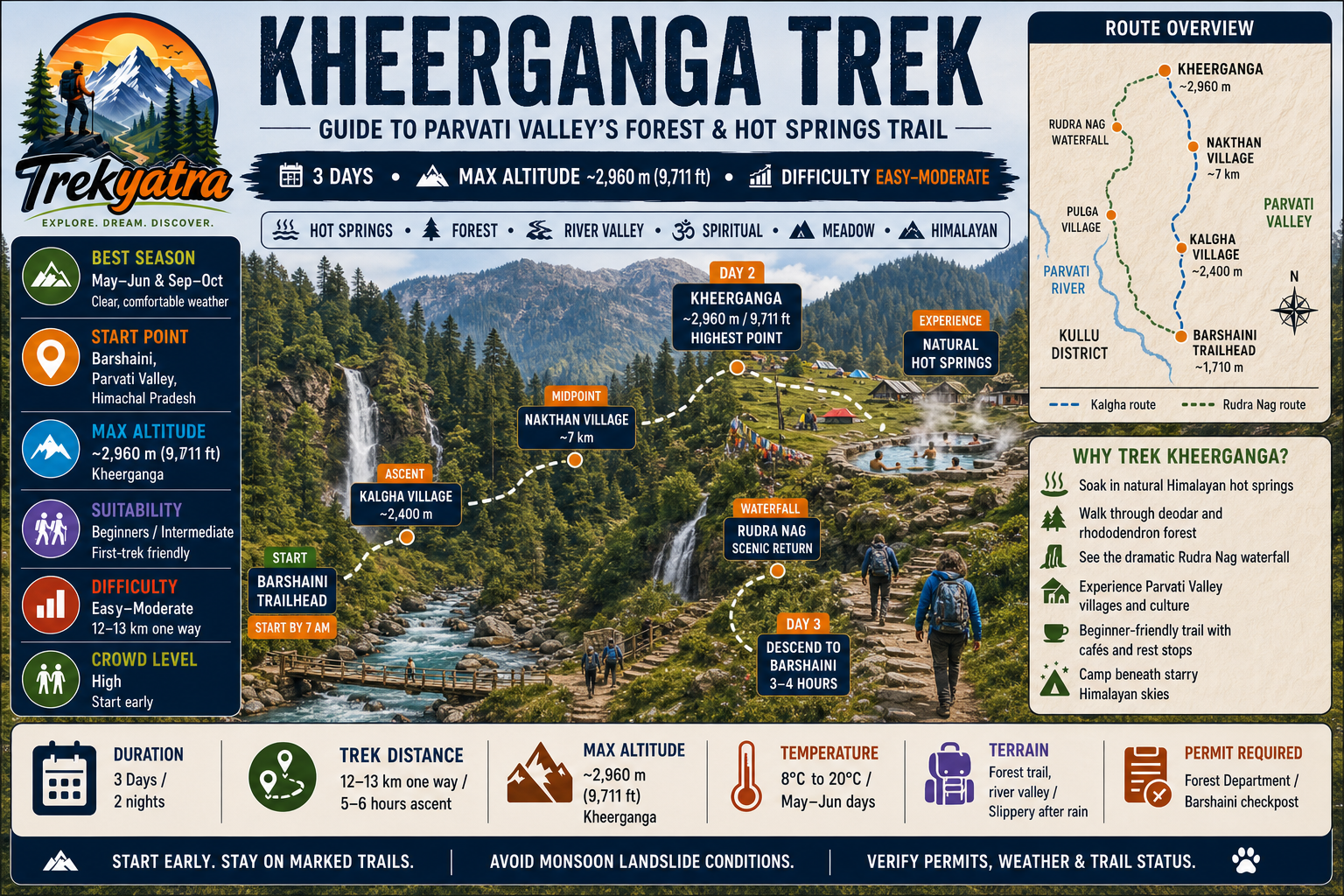
What each day actually looks like
The following 2-night / 3-day plan is the most popular structure for the 2026 trekking season. It allows time for acclimatisation, a proper hot spring experience, and a relaxed return.
Day 1: Delhi / Chandigarh to Kasol
Distance travelled: ~520 km from Delhi | ~270 km from Chandigarh
Altitude at Kasol: ~1,580 m
From Delhi: Overnight HRTC (Himachal Road Transport Corporation) buses depart from ISBT Kashmiri Gate to Bhuntar, typically between 5 PM and 9 PM. Journey time is approximately 12–14 hours. (HRTC schedules and fares for 2026 — verify at hrtchp.com before booking.) From Bhuntar, shared cabs or local buses run regularly to Kasol (~30 km, ~45 min).
From Chandigarh: HRTC buses to Bhuntar depart from ISBT Sector 43. Journey ~7–8 hours.
Accommodation at Kasol: Budget guesthouses range from INR 600–1,500/night; riverside camps are popular. Spend the afternoon exploring the Kasol market, stocking up on snacks, and resting. Kasol's altitude (~1,580 m) offers a gentle introduction before the higher trail.
Day 2: Kasol to Barshaini & Trek to Kheerganga
Altitude at Kheerganga: ~2,960 m | Trek distance: 12–13 km
Depart Kasol early (by 6 AM) to catch a shared cab from the Kasol taxi stand to Barshaini (~14 km, ~30 min, approximately INR 100–150 per person in a shared vehicle). Obtain your Forest Department permit at the Barshaini checkpost before hitting the trail — carry a valid government-issued photo ID.
Aim to start trekking by 7 AM. At a comfortable pace with breaks, expect to reach Kheerganga in 5–6 hours.
- 7:00 AM — Trail start at Barshaini
- 9:00 AM — Kalgha village (tea/snack break)
- 12:00 PM — Nakthan (lunch at trail café)
- 1:30–2:00 PM — Arrival at Kheerganga meadow
Settle into your tent or basic dormitory, then soak in the hot springs — ideally around sunset when the light on the surrounding peaks is magical. Meals are available at several small dhabas on the meadow.
Day 3: Kheerganga to Barshaini & Departure
Wake before sunrise to catch golden light on the Parvati Valley ridgeline — one of the most photographed moments on this trek. Breakfast at the meadow, then begin your descent by 7–8 AM.
Downhill walking time is typically 3–4 hours to Barshaini (your knees will feel the difference — trekking poles strongly recommended). Catch a shared cab back to Kasol by early afternoon. From Kasol, connect to Bhuntar for buses onward to Delhi, Chandigarh, or Manali.
When to go
| Month | Conditions | Verdict |
|---|---|---|
| May – June | Clear skies, mild temperatures (8–20°C at summit), trails dry | ✅ Ideal |
| July – August | Monsoon rains, landslide risk, leeches on trail, reduced visibility | ⚠️ Risky |
| September – October | Post-monsoon clarity, lush greenery, cool nights | ✅ Best visibility |
| November – April | Snowfall closes trail; extreme cold; not recommended | ❌ Avoid |
May and June see the highest footfall during the 2026 trekking season and are great for beginners — conditions are warm enough to be comfortable but cool enough for vigorous hiking.
September and October offer arguably the best overall experience: the monsoon has washed the landscape into vivid greens, the air is crystal clear, and crowds thin out after the summer peak.
Monsoon trekking (July–August) is possible but carries genuine risk. Landslides are common on Parvati Valley roads and trail sections near the Rudra Nag waterfall can become dangerously slippery. Leeches are prevalent in forest sections. If you must travel in this window, go with an experienced guide.
Winter (November–April): Heavy snowfall renders the trail inaccessible and potentially dangerous. The trail is officially closed by the Forest Department, Himachal Pradesh during this period.
Is this trek right for you?
Overall rating: Easy – Moderate
The Kheerganga trek is accessible to first-time trekkers, but the 12–13 km one-way distance and cumulative elevation gain of ~760 m mean a baseline level of fitness is genuinely helpful.
- No technical sections: No rappelling, fixed ropes, glacier travel, or scrambling.
- Trail quality: Well-marked, frequently travelled, with rest points and food stalls.
- Main challenge: Duration — five-plus hours of continuous walking on an uneven surface.
Recommended fitness prep: Begin daily walks of 5 km two weeks before your trek. Add stair climbing or uphill walks in the final week. This is sufficient for most healthy adults.
Not suitable for: Individuals with severe cardiac or respiratory conditions, very young children (under 8), or anyone with unmanaged knee problems (downhill sections are steep in places).
What permits you need
A Forest Department permit is mandatory for all trekkers on the Kheerganga trail. As of the 2026 season:
- Where to obtain: Barshaini checkpost, at the trail entry point — no advance online booking available.
- Cost: Approximately INR 100–150 per person (Indian nationals).
- Documents required: Valid government-issued photo ID — Aadhaar card or Indian Passport for nationals.
- Foreign nationals: Additional documentation is typically required; carry your passport and a valid Indian visa. (Specific foreign national documentation requirements for 2026 — verify with Forest Department HP or himachal trekking permits guide.)
- Opening hours: Checkpost is generally staffed from early morning; arrive by 7 AM to avoid queues during peak season.
Keep a copy of your permit with you throughout the trek and do not litter — rangers conduct spot checks on the trail.
What this trek will cost you
DIY Cost Breakdown (per person)
| Item | Estimated Cost (INR) |
|---|---|
| Delhi–Bhuntar HRTC bus (one way) | 600–900 |
| Bhuntar–Kasol shared cab | 80–120 |
| Kasol guesthouse (1 night) | 600–1,200 |
| Kasol–Barshaini shared cab (each way) | 100–150 |
| Forest Department permit | 100–150 |
| Camping/tent at Kheerganga (1 night) | 300–500 |
| Meals (2 days on trek) | 600–900 |
| Miscellaneous (snacks, water, tips) | 200–300 |
| Estimated DIY Total | ~2,580–4,220 |
(All transport and accommodation costs should be verified closer to travel date.)
DIY vs. Package Tour Comparison
| DIY | Organised Package (from Kasol) | |
|---|---|---|
| Cost per person | ~INR 2,500–4,200 | ~INR 4,000–7,000 |
| Includes | Transport, permit, camping, meals as booked | Transport, permit, guide, camping, meals |
| Flexibility | High | Low–Medium |
| Best for | Experienced or budget travellers | First-timers, solo travellers wanting support |
For more budget trekking strategies, see our budget trekking in India guide.
What to pack
Clothing
- Moisture-wicking base layer (2 sets)
- Insulating mid-layer (fleece or down jacket — especially for Sep–Oct)
- Waterproof rain jacket (essential in all seasons)
- Trekking trousers (quick-dry)
- Warm hat, gloves (Sep–Oct)
- Sun hat/cap (May–Jun)
- Trekking socks (3 pairs, wool preferred)
- Sturdy trekking shoes with ankle support (broken-in before trek)
- Flip-flops or sandals (for hot springs)
Gear
- Trekking poles (highly recommended for descent)
- Headlamp with spare batteries
- Sleeping bag (if not in a package that provides one; rated to at least -5°C for Sep–Oct)
- 35–45L daypack
- Dry bags / zip-lock bags (waterproofing)
Documents
- Original government ID (Aadhaar / Passport)
- Copy of Forest Department permit
- Emergency contact numbers (written, not just on phone)
Health & Safety
- Basic first-aid kit (bandages, antiseptic, blister plasters)
- Diamox / altitude sickness tablets (consult your doctor before use)
- Sunscreen SPF 50+
- Lip balm with SPF
- Insect repellent (especially for monsoon season)
- Oral rehydration salts
Extras
- 2-litre reusable water bottle (refill at stream points; carry purification tablets)
- High-energy snacks (dry fruits, nuts, energy bars)
- Power bank (no charging points on trail)
- Change of clothes sealed in a dry bag (for hot spring dip)
- Trekking towel
Summer vs. Autumn packing note: In May–June, you can skip heavy gloves and a thick sleeping bag. In September–October, evenings at Kheerganga (~2,960 m) drop to near 5°C — pack an extra insulating layer and a warmer sleeping bag.
Staying safe on the mountain
- Start early: Begin trekking by 7 AM. Afternoon weather in the Parvati Valley can deteriorate quickly, especially during shoulder seasons.
- Altitude awareness: Kheerganga sits at ~2,960 m. Mild Acute Mountain Sickness (headache, nausea, fatigue) is possible — rest, hydrate, and do not ascend further if symptoms worsen. Descend immediately if symptoms are severe.
- Monsoon precautions: Trails become slippery and landslide risk increases significantly July–August. Check road conditions before departing Kasol.
- Stay on marked paths: Avoid shortcuts. The forest is dense and unmarked trails can disorient trekkers.
- Inform your guesthouse: Leave your itinerary — departure time, expected return — with staff at your Kasol or Barshaini accommodation.
- Mobile network: BSNL provides limited coverage; other networks (Jio, Airtel, Vi) lose signal after Barshaini. Download offline maps (Maps.me or AllTrails) before departure.
- Hot spring safety: Avoid the pools immediately after heavy rain when sulphur concentration and water temperature can fluctuate. Test water temperature before entering. Be respectful of gender-segregated pool sections.
- Emergency contacts:
- Kullu-Manali District Hospital: +91-1902-222340
- Kasol local police/rescue: Contact your guesthouse for the latest numbers, as these change seasonally.
- Himachal Pradesh Police emergency: 100 / 112
Similar treks to explore
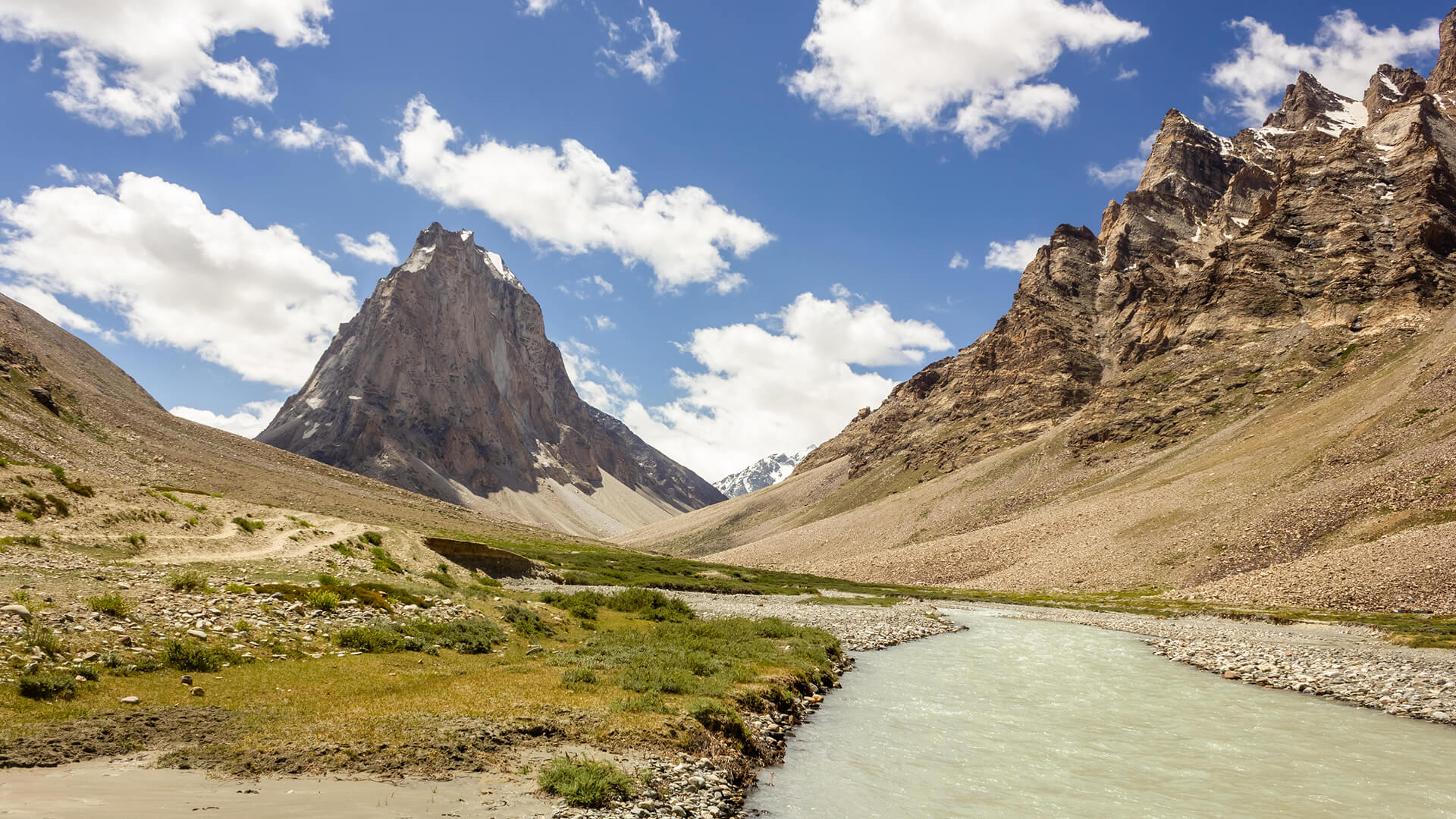
Padum to Darcha Trek: Complete High-Altitude Route Guide
The Padum to Darcha trek covers ~115–120 km in 8–9 days, crossing Shingo La (~5,060 m) between Zanskar and Lahaul.
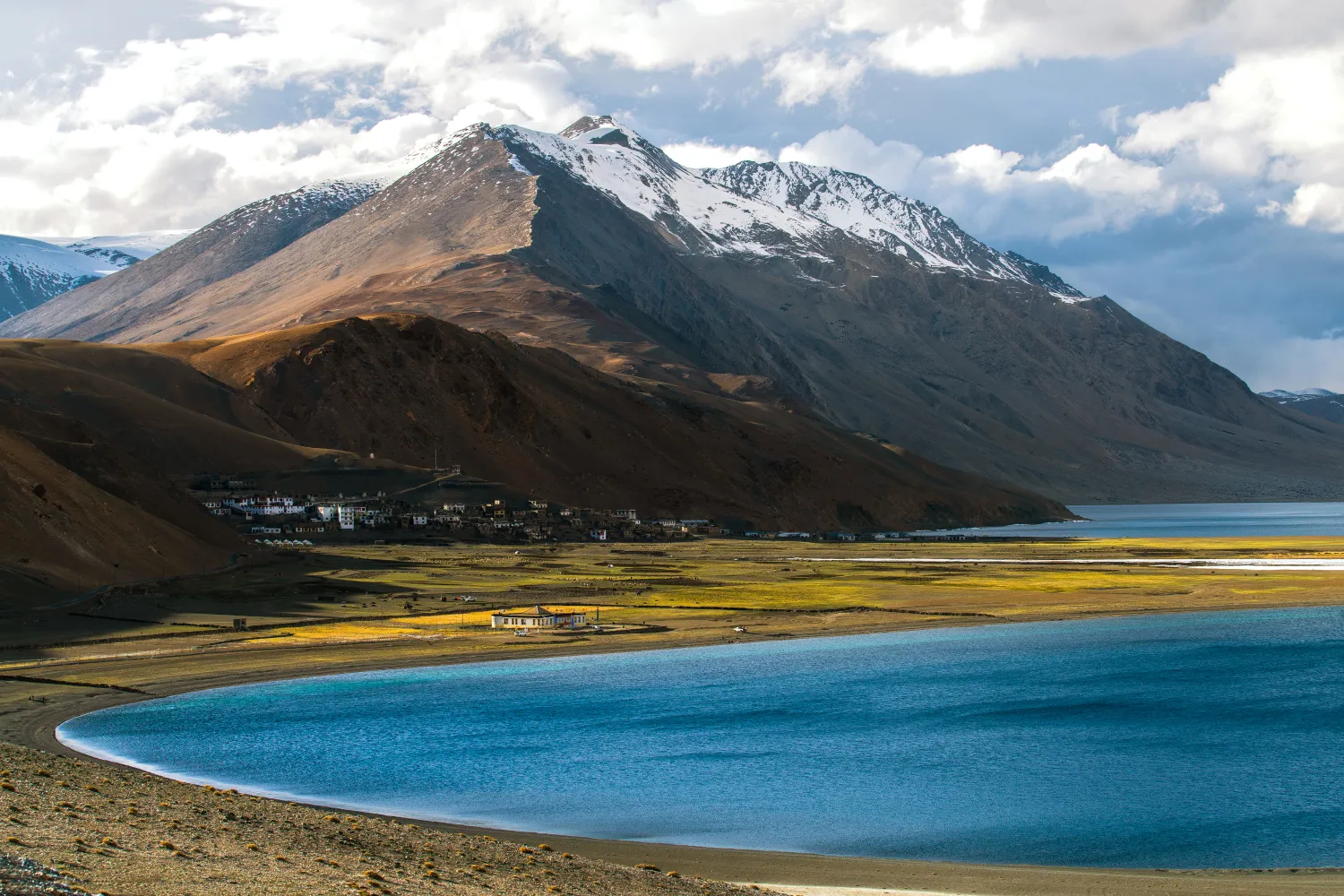
Rumtse to Tso Moriri Trek: Complete Ladakh Trail Guide
The Rumtse to Tso Moriri trek is an ~80 km, 7–8 day strenuous Ladakh trail crossing Kyamar La (~5,460 m) and Polokongka La (~5,190 m), ending at Tso Moriri Lake
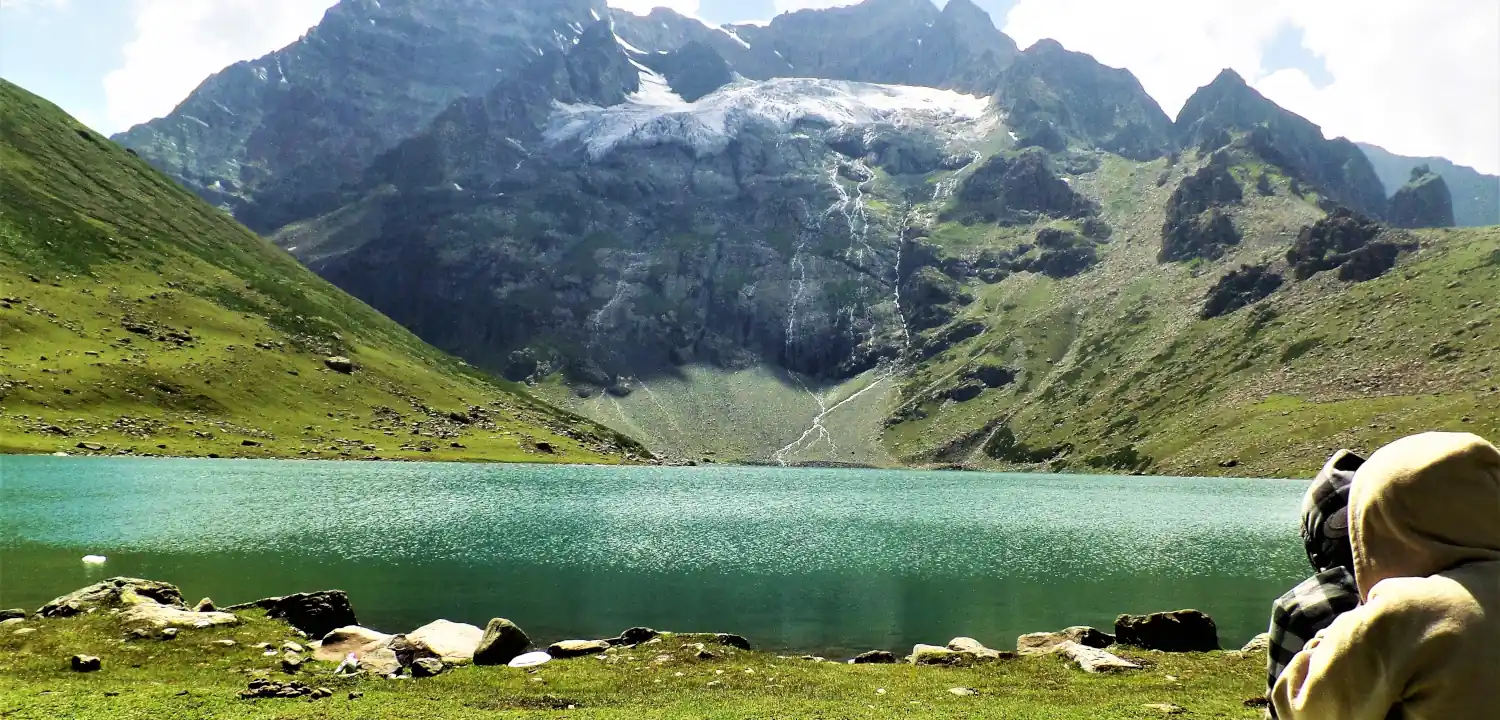
Naranag Gangabal Trek: Complete Guide (2026)
The Naranag Gangabal Trek is a 4–5 day moderate-difficult alpine trek in Kashmir, covering ~26–30 km from Naranag (2,150 m) to Gangabal Lake (3,570 m).
Common questions answered
The one-way distance is approximately 12–13 km depending on which route you take (Kalgha trail ~13 km; Rudra Nag trail ~12 km). The round trip is roughly 24–26 km. Allow 5–6 hours for the ascent and 3–4 hours for the descent.
Kheerganga Trek — Latest News
8 Best Trekking Routes In India For Beginners
Kheerganga Trek featured in Outlook Traveller's list of 8 best beginner trekking routes. Learn how this recognition impacts planning and accessibility for novic
8 Best Trekking Routes In India For Beginners
Kheerganga Trek featured in Outlook Traveller's top 8 beginner treks in India. Learn why this Himachal Pradesh route is perfect for novice trekkers and plan acc
Live Conditions
Real-time weather & trail status
Trail Conditions
Crowdsourced reports from trekkers who've done this route
Sign in to add a trip report
Find a Trek Buddy
Connect with trekkers planning the same route
No buddies yet for this trek
Sign in and be the first to post a planning signal.