
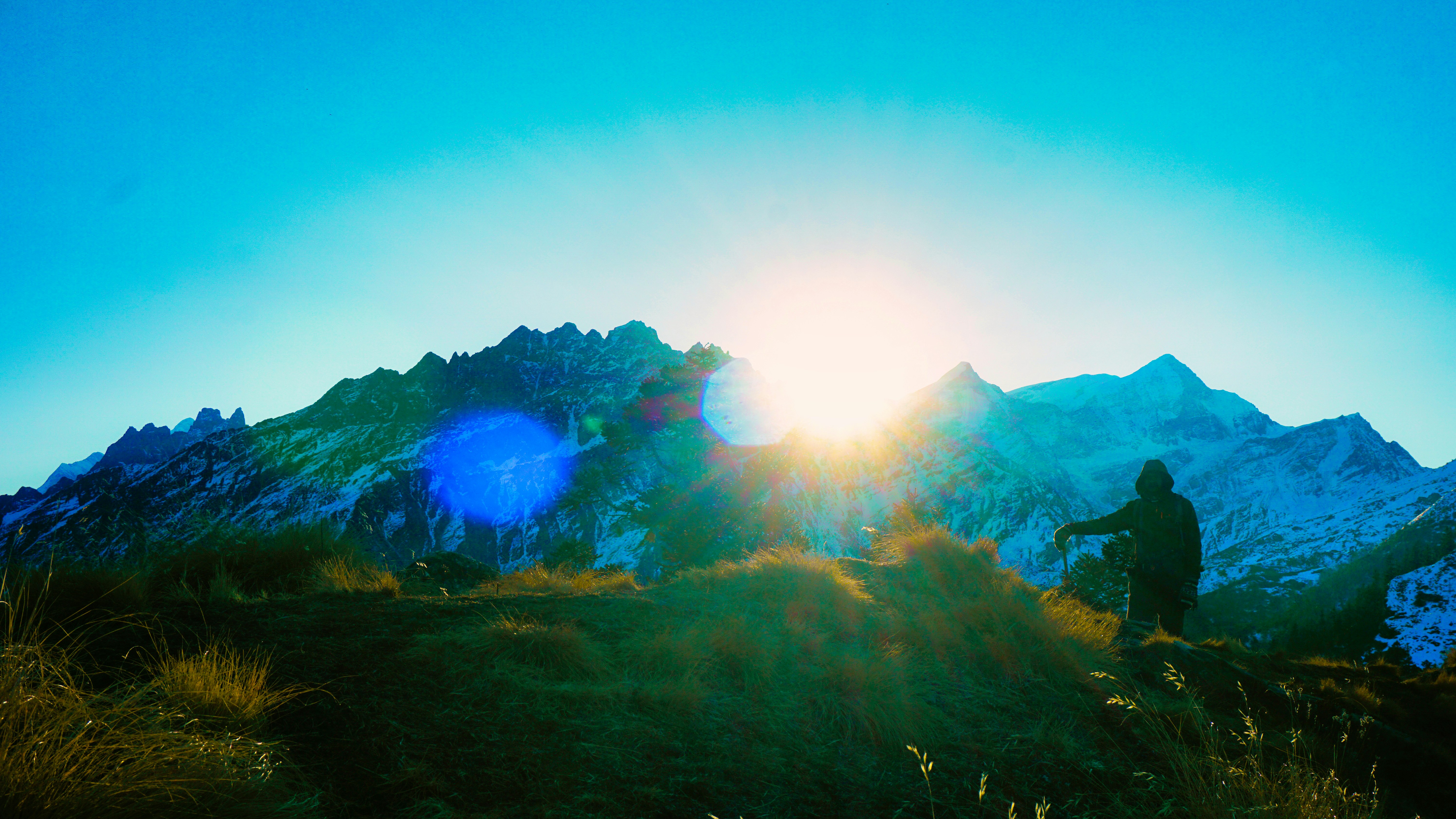
Why Kuari Pass Trek is on every trekker's list
The Kuari Pass Trek is a 36–40 km Easy-to-Moderate Himalayan trail in Garhwal, Uttarakhand, reaching 3,657 m (12,000 ft) with 270° views of Nanda Devi, Kamet & Dronagiri. Best done in October–November or April–May over 5–6 days.
The Kuari Pass Trek is widely regarded as one of the finest introductory Himalayan expeditions in India, threading through the heart of the Garhwal Himalayas in Chamoli District, Uttarakhand. At a summit altitude of 3,657 m (12,000 ft), the pass rewards trekkers with a sweeping 270-degree panorama of giants — Nanda Devi, Kamet, Dronagiri, Hathi Parvat, and Ghori Parvat — all visible from a single vantage point. Completed over 5–6 days and covering approximately 36–40 km, this is a trek that punches far above its difficulty rating, making it a must-do for the 2026 trekking season.
Among the dozens of treks in Uttarakhand, the Kuari Pass route has earned a dedicated following — and for good reason.
- Panoramic Himalayan views: Few treks at this altitude offer a horizon this loaded with named peaks. On a clear day, you can identify at least eight major summits without moving your feet.
- Manageable difficulty: Rated Easy-to-Moderate, it is one of the most recommended beginner treks in India, yet challenging enough to feel genuinely earned.
- Rich biodiversity: The trail passes through dense oak and rhododendron forests that blaze red and pink in spring, transitioning into open alpine meadows as you gain altitude.
- Historical significance: The route follows what is popularly called the Lord Curzon Trail, named after the British Viceroy who reportedly trekked this path in the early 1900s, adding a layer of colonial-era storytelling to every step.
- Proximity to Auli: The trek conveniently ends (or begins) at Auli, India's premier ski resort, which means you can pair your trek with a winter skiing trip — see our Auli skiing guide for details.
- Easy accessibility: The trailhead is reachable from Haridwar or Dehradun via a well-connected road network, making logistics straightforward for most Indian trekkers.
What Makes Kuari Pass Unique?
What sets Kuari Pass apart isn't just the altitude or the views — it's the combination. The Lord Curzon Trail legacy gives the route a romantic, exploratory character that newer, more commercial treks lack. The landscape shifts dramatically as you climb: you begin in river valleys, push through ancient oak and rhododendron forests that smell of earth and pine, break into rolling alpine meadows at Gulling and Khullara, and finally reach a rocky ridgeline where the Himalayan panorama unfolds in its full, 270-degree glory. Very few treks in India under 4,000 m deliver this kind of visual payoff.
At a glance
Ask TrekSage about Kuari Pass Trek
Get instant answers grounded in verified trek data — beginner-friendliness, best months, permits, packing, and more.
The route at a glance
The standard route runs: Haridwar → Joshimath → Dhak → Gulling → Khullara → Kuari Pass → Tali → Auli.
Total trekking distance is approximately 36–40 km over five days of active walking, with a net elevation gain of roughly 1,757 m from Dhak (1,900 m) to the pass (3,657 m). The elevation profile is gradual for the first two days, steepens on Day 3 into Khullara, peaks at the pass on Day 4, and descends steadily to Auli on Day 5.
Alternate start point — Tapovan: Some operators and experienced independent trekkers begin from Tapovan (near Joshimath), adding variety and slightly more distance to the approach. This alternate route merges with the main trail near Gulling.
For detailed transport logistics from Haridwar, refer to our Rishikesh to Joshimath bus guide and our Joshimath travel guide.
Trek Distance and Altitude Profile
| Stage | Location | Altitude | Distance (approx.) |
|---|---|---|---|
| Drive | Joshimath | 1,890 m | — |
| Day 2 end | Dhak Village → Gulling | 1,900 m → 2,400 m | ~5–6 km |
| Day 3 end | Gulling → Khullara | 2,400 m → 3,400 m | ~8–9 km |
| Day 4 summit | Khullara → Kuari Pass → Khullara | 3,400 m → 3,657 m → 3,400 m | ~8–10 km (return) |
| Day 5 end | Khullara → Tali → Auli | 3,400 m → ~2,900 m → 2,519 m | ~9–10 km |
| Total | ~36–40 km |
Note: Stage distances are estimates based on commonly reported trekking data and should be verified against your specific operator's GPS tracks.
What each day actually looks like
Day 1 — Haridwar / Delhi to Joshimath (Drive)
Drive time: ~9–10 hours from Haridwar (approx. 270 km); ~12–13 hours from Delhi.
Take the overnight bus or an early morning taxi from Haridwar through Rishikesh, Devprayag, Rudraprayag, Chamoli, and finally Joshimath. Arrive by evening, check into a guesthouse, and acclimatise with a light walk around town. Recommended: spend the evening exploring Joshimath's markets and resting ahead of the trek. An acclimatisation day here is advisable for trekkers flying in from sea level.
Stay: Guesthouse / hotel in Joshimath.
Day 2 — Joshimath to Dhak to Gulling
Drive: Joshimath → Dhak Village (~10–15 min by shared jeep or taxi).
Trek: Dhak (1,900 m) → Gulling (2,400 m) | ~5–6 km | 3–4 hours.
The trek begins at Dhak Village, a small settlement that serves as the official trailhead. The trail immediately enters thick oak and rhododendron forests. The ascent is steady but never brutal, gaining around 500 m over the day. You emerge into Gulling's open meadow by early afternoon, with your first glimpses of distant snowfields on the horizon.
Stay: Tents at Gulling meadow campsite.
Day 3 — Gulling to Khullara
Trek: Gulling (2,400 m) → Khullara (3,400 m) | ~8–9 km | 5–6 hours.
This is the most demanding day of the trek. The trail climbs steeply through forest and broken rocky terrain before breaking into wider alpine meadows near Khullara. Gain nearly 1,000 m of altitude. Pace yourself, hydrate continuously, and pause to take in expanding views of the Garhwal peaks. By the time you reach Khullara, the treeline is behind you and the sky feels enormous.
Stay: Tents at Khullara forest camp (partial tree cover on one side, open meadow on the other).
Day 4 — Khullara to Kuari Pass and Back to Khullara (Summit Day)
Trek: Khullara (3,400 m) → Kuari Pass (3,657 m) → Khullara (3,400 m) | ~8–10 km round trip | 5–6 hours.
Start early (ideally by 6 AM) to reach the pass before afternoon clouds build. The ascent from Khullara to the pass takes 2–3 hours on a clear rocky ridge. At the summit, the 270-degree panorama of Nanda Devi, Kamet, Dronagiri, Hathi Parvat, and Ghori Parvat opens before you — this is the defining moment of the trek. Spend time at the top, then descend back to Khullara for the night. In winter, the final section to the pass may require microspikes.
Stay: Tents at Khullara.
Day 5 — Khullara to Tali to Auli
Trek: Khullara (3,400 m) → Tali Lake area (~2,900 m) → Auli (2,519 m) | ~9–10 km | 4–5 hours.
A largely downhill day with a brief detour possible to the Tali Lake area, a serene high-altitude lake surrounded by meadows. From here the trail descends through forest to Auli, where the famous ski slopes and the ropeway greet you. Celebrate the completion of the trek.
Stay: Hotel / guesthouse in Auli or Joshimath.
Day 6 — Auli to Haridwar (Drive)
Drive time: ~9–10 hours.
Depart early from Auli/Joshimath for Haridwar. Stop for tea at Rudraprayag or Devprayag. Arrive Haridwar by evening.
Campsite Details Along the Route
- Gulling Meadow Camp: Open grassy expanse at 2,400 m. Water from a nearby stream (purify before drinking). Capacity for 30–40 tents. Excellent early morning views of snow peaks to the north. Basic toilet pits; no permanent facilities.
- Khullara Forest Camp: Partially sheltered by oak trees at 3,400 m, offering protection from wind. Water from a seasonal stream ~5 min walk. Capacity for 40–50 tents. Cold nights even in October; temperatures can drop to -5°C to -8°C in autumn.
- Tali Lake Area: Not always used as an overnight camp but possible for groups on extended itineraries. The lake itself is small and reflective; incredibly photogenic in autumn light.
When to go
Season-by-Season Breakdown
Spring / Summer (April–June) — The rhododendron forests are at their most spectacular, with red and pink blooms lining the trail. Skies are generally clear in the morning. Temperatures are pleasant (5–15°C at altitude). April–May is an ideal window for photographers and nature lovers. Late June sees pre-monsoon cloud build-up.
Monsoon (July–August) — Avoid. Heavy rainfall, slippery trails, leeches in the forest sections, frequent landslides on the Joshimath road, and near-zero visibility make this season genuinely dangerous. The trek is not recommended during this period.
Autumn (September–November) — Peak season and most recommended. Post-monsoon skies are crystal clear, the air is washed clean of haze, and mountain views are at their sharpest. Trail conditions are stable. October and November are the golden months. Temperatures begin dropping significantly in November, with nights at Khullara hitting -8°C to -12°C.
Winter (December–March) — A completely different experience. The trail is buried under heavy snow from December to March, with night temperatures at the pass reaching -15°C or lower. This is a technical snow trek requiring crampons, microspikes, and cold-weather camping experience. Not suitable for beginners. However, for experienced trekkers, the snow-covered Himalayan panorama is otherworldly.
TrekYatra Recommendation: October–November for clearest views and most stable conditions; April–May for rhododendron blooms and pleasant temperatures.
Kuari Pass Trek Weather Month by Month
| Month | Day Temp (Pass) | Night Temp (Camp) | Precipitation | Trail Condition | Suitability |
|---|---|---|---|---|---|
| January | -5°C to 2°C | -15°C to -10°C | Heavy snow | Deep snow, technical | ⭐⭐ (Experienced only) |
| February | -3°C to 4°C | -13°C to -8°C | Heavy snow | Deep snow | ⭐⭐ |
| March | 0°C to 8°C | -10°C to -5°C | Moderate snow | Snow softening | ⭐⭐ |
| April | 5°C to 12°C | -5°C to 0°C | Light/occasional | Good, some snow at pass | ⭐⭐⭐⭐ |
| May | 8°C to 15°C | -2°C to 4°C | Low | Excellent | ⭐⭐⭐⭐⭐ |
| June | 10°C to 18°C | 2°C to 8°C | Increasing | Good early, cloudy late | ⭐⭐⭐ |
| July | 12°C to 16°C | 5°C to 10°C | Very high | Slippery, landslides | ⭐ (Avoid) |
| August | 12°C to 16°C | 5°C to 10°C | Very high | Dangerous | ⭐ (Avoid) |
| September | 8°C to 14°C | 0°C to 5°C | Moderate | Improving | ⭐⭐⭐ |
| October | 5°C to 12°C | -5°C to 0°C | Very low | Excellent | ⭐⭐⭐⭐⭐ |
| November | 0°C to 8°C | -10°C to -5°C | Low | Good, cold nights | ⭐⭐⭐⭐ |
| December | -5°C to 2°C | -15°C to -10°C | Heavy snow | Snow-covered | ⭐⭐ (Experienced only) |
Temperature figures are approximate estimates; verify with local guides for current season conditions.
Is this trek right for you?
Difficulty Rating: Easy-to-Moderate
The Kuari Pass Trek is widely classified as Easy-to-Moderate, making it an excellent entry point into Himalayan trekking. Here's what that means in practical terms:
- Daily distances: 5–10 km per day of active trekking.
- Maximum altitude: 3,657 m — well below the threshold where severe AMS typically occurs, but still requiring awareness.
- Terrain: Mix of forested trails, open meadows, rocky ridgelines, and (in winter) snow. No technical climbing required in summer/autumn.
- Steepest section: Gulling to Khullara on Day 3, gaining ~1,000 m.
Minimum fitness baseline: You should be able to jog for 30 minutes continuously without stopping before attempting this trek.
Recommended 6–8 week training plan:
- Weeks 1–2: 30-min brisk walks/jogs on 4 days per week + basic squats and lunges.
- Weeks 3–4: Increase to 45-min runs + stair climbing (10–15 floors daily).
- Weeks 5–6: Weekend hikes with a loaded backpack (8–10 kg) + continued cardio.
- Weeks 7–8: Reduce intensity, focus on recovery and stretching.
Age range: Suitable for trekkers aged approximately 12–60 with adequate fitness. Children below 12 may find Day 3 taxing; consult a physician for those above 55 with cardiac history.
For more, see our guide to best treks in Uttarakhand graded by difficulty.
What permits you need
⚠️ Permit information is subject to change. Always verify current requirements at the Uttarakhand Forest Department office in Joshimath before beginning your trek.
A forest entry permit from the Uttarakhand Forest Department is required for the Kuari Pass Trek, as the trail passes through protected forest land in Chamoli District.
- Where to obtain: In person at the Forest Department office in Joshimath or the entry check post near Auli. There is currently no online portal for this permit; it must be obtained physically.
- Cost: Approximately ₹150–₹200 per person per day of trekking. For a 5-day trek, budget roughly ₹750–₹1,000 per person. [FLAG: Exact 2026 fees should be confirmed with the Uttarakhand Forest Department directly before travel.]
- ID required: Carry a valid government-issued photo ID — Aadhaar card is universally accepted. Foreign nationals should carry their passport.
- AONB / Protected Area clearance: Parts of the route may fall under additional protected area regulations given proximity to the Nanda Devi Biosphere Reserve buffer zones. Confirm with the Forest Department whether additional clearance applies to your specific itinerary. [FLAG: Protected area status of specific sections should be verified for 2026.]
- Group registration: Organised groups are typically registered together; solo trekkers and small independent groups must register individually.
What this trek will cost you
DIY Budget Breakdown (Per Person)
| Item | Estimated Cost (2026) |
|---|---|
| Bus: Haridwar ↔ Joshimath (return) | ₹1,000–₹1,400 |
| Shared taxi / local transport to Dhak | ₹100–₹200 |
| Forest permits (~5 days) | ₹750–₹1,000 |
| Camping gear rental (sleeping bag, tent share) | ₹500–₹1,000 |
| Food on trail (~₹500/day × 5 days) | ₹2,500 |
| Joshimath / Auli accommodation (2 nights) | ₹800–₹1,500 |
| Contingency / miscellaneous | ₹500–₹1,000 |
| Total DIY estimate | ₹6,150–₹9,100 |
[FLAG: All cost figures are estimates for 2026. Transport and accommodation prices should be confirmed closer to your travel date.]
Guided Package Cost
Organised packages from operators such as Indiahikes, Trek the Himalayas, and others typically cost ₹8,000–₹15,000 per person for a complete 5–6 day package departing from Joshimath or Haridwar.
What packages typically include: Accommodation at campsites (tents), sleeping bag and liner, all meals on trail, trek leader and support staff, first-aid kit, permits.
What packages typically exclude: Personal travel insurance, transport from your home city to Haridwar/Joshimath, tips for guides/porters, personal gear (trekking poles, boots), any costs due to medical evacuation.
DIY vs. Guided Package: Which Should You Choose?
Go DIY if: You have prior Himalayan trekking experience, are comfortable navigating independently, own your own gear, and want maximum flexibility on pace and schedule. Cost savings of ₹2,000–₹5,000 per person are realistic.
Choose a guided package if: This is your first Himalayan trek, you don't own camping gear, you're trekking solo, or you simply prefer a safety net with an experienced leader. For beginners, TrekYatra strongly recommends a guided package — the peace of mind and logistical simplicity are well worth the premium.
What to pack
For the complete gear deep-dive, see our Himalayan trek packing list. Below is the essential checklist for Kuari Pass.
Clothing
- Moisture-wicking base layer (top + bottom)
- Mid-layer fleece or down jacket
- Hardshell / waterproof outer jacket
- Trekking trousers (2 pairs)
- Thermal leggings for night camps
- Warm hat / balaclava, gloves, neck gaiter
- Sun hat for daytime
Footwear
- Waterproof trekking boots (ankle support essential — break them in before the trek)
- Gaiters (essential in winter; useful in spring)
- Camp sandals / lightweight shoes for evenings
- Wool or synthetic trekking socks (3–4 pairs)
Gear
- Backpack (50–60L)
- Sleeping bag rated to -10°C (or colder for winter treks)
- Trekking poles (pair)
- Headlamp with spare batteries
- Trekking microspikes (winter season only)
- Water bottles / hydration bladder (capacity 2–3L)
- Water purification tablets or filter
- Dry bags / stuff sacks for pack organisation
Documents
- Aadhaar card (original + 2 photocopies)
- Permit copies
- Emergency contact list (laminated)
- Travel insurance documents
- Cash in small denominations (ATMs unreliable past Joshimath)
Personal
- Sunscreen SPF 50+
- Lip balm with SPF
- Altitude sickness medication (Diamox — consult your physician before travel)
- Personal first-aid kit
- Blister treatment / moleskin
- Prescription medications + extras
- Snacks (energy bars, nuts, trail mix)
Staying safe on the mountain
General Safety
- Never trek solo in winter (December–March). Snow conditions change rapidly and self-rescue is extremely difficult.
- Inform someone: Leave your detailed itinerary and daily check-in schedule with a contact at home and with your accommodation in Joshimath.
- Weather monitoring: Check forecasts daily at Joshimath before ascending. Turn back if severe weather is forecast.
- Water purification: Always purify stream water with tablets or a filter. Do not drink untreated water, regardless of how clear it appears.
- Wildlife: The forest sections between Dhak and Khullara pass through bear habitat. Make noise on the trail, avoid dawn/dusk movement through dense forest alone, and store food securely at camp.
- Emergency contacts:
- SDRF Uttarakhand (State Disaster Response Force): 1070
- Nearest hospital: Community Health Centre, Joshimath
- Local police, Joshimath: Contact number available at guesthouse reception.
- Helicopter landing zones: In the event of a medical emergency, Khullara meadow and Gulling meadow both have clearings potentially usable as emergency helicopter landing zones — confirm with your trek leader.
How Do You Prevent Altitude Sickness on the Kuari Pass Trek?
Read our full altitude sickness prevention guide before travel. Key points:
Know the three conditions:
- AMS (Acute Mountain Sickness): Headache, nausea, fatigue, dizziness. Common above 2,500 m. Rest, hydrate, and do not ascend further until symptoms clear.
- HACE (High Altitude Cerebral Edema): Severe AMS with confusion, loss of coordination. Medical emergency — descend immediately.
- HAPE (High Altitude Pulmonary Edema): Breathlessness at rest, pink/frothy cough. Potentially fatal — descend immediately and seek emergency medical help.
Golden rule: If symptoms persist or worsen, descend immediately. Do not wait until morning. Do not assume it will pass.
Prevention:
- Acclimatise in Joshimath for a day before starting the trek.
- Ascend gradually — the itinerary above is designed to respect safe acclimatisation.
- Hydrate consistently: aim for 3–4 litres of water per day on the trail.
- Avoid alcohol for the first 48 hours at altitude.
- Diamox (Acetazolamide): Consult your physician about taking 125–250 mg twice daily starting 24 hours before ascent. Not suitable for everyone; a prescription and medical clearance are required.
Similar treks to explore
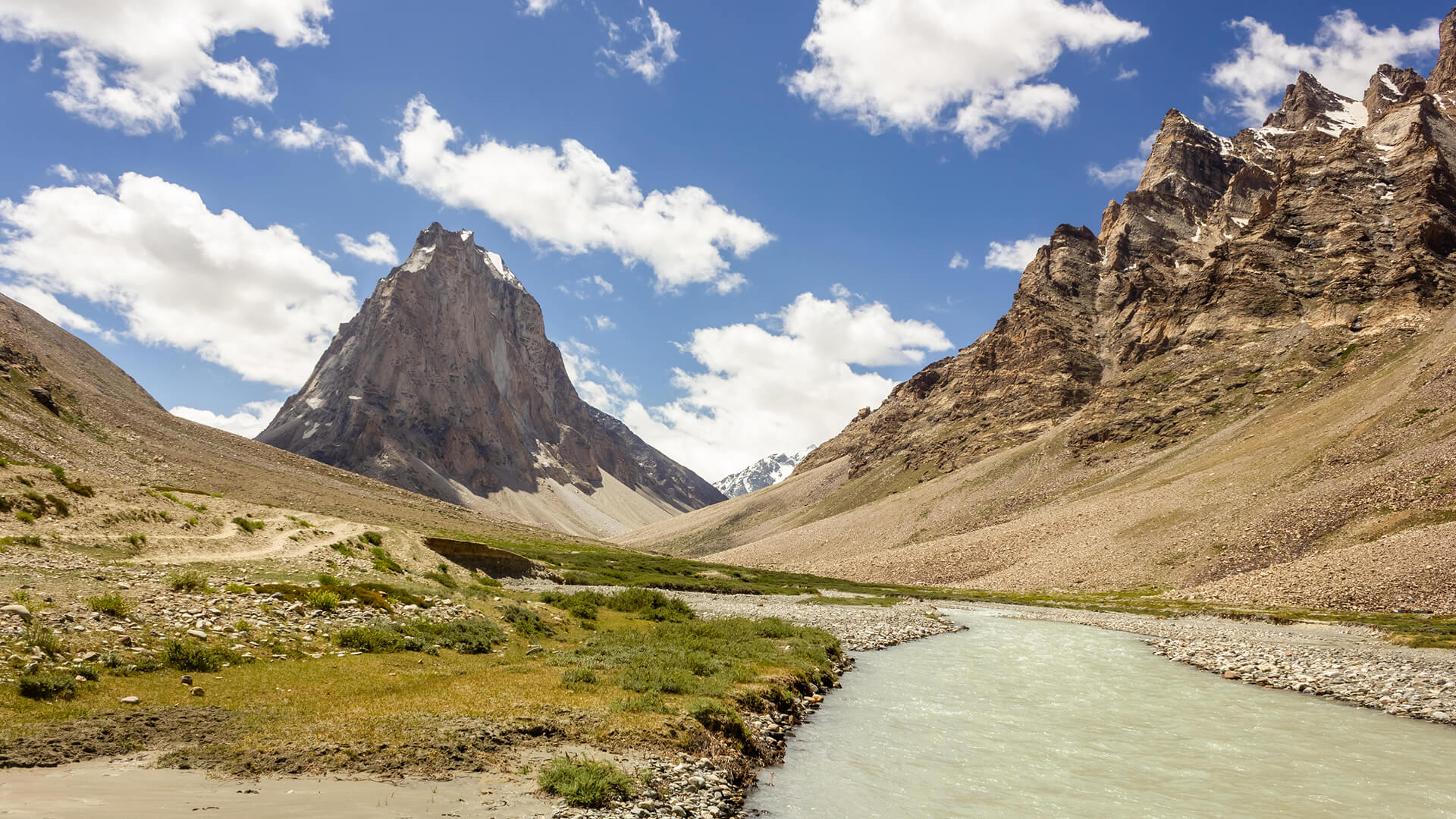
Padum to Darcha Trek: Complete High-Altitude Route Guide
The Padum to Darcha trek covers ~115–120 km in 8–9 days, crossing Shingo La (~5,060 m) between Zanskar and Lahaul.
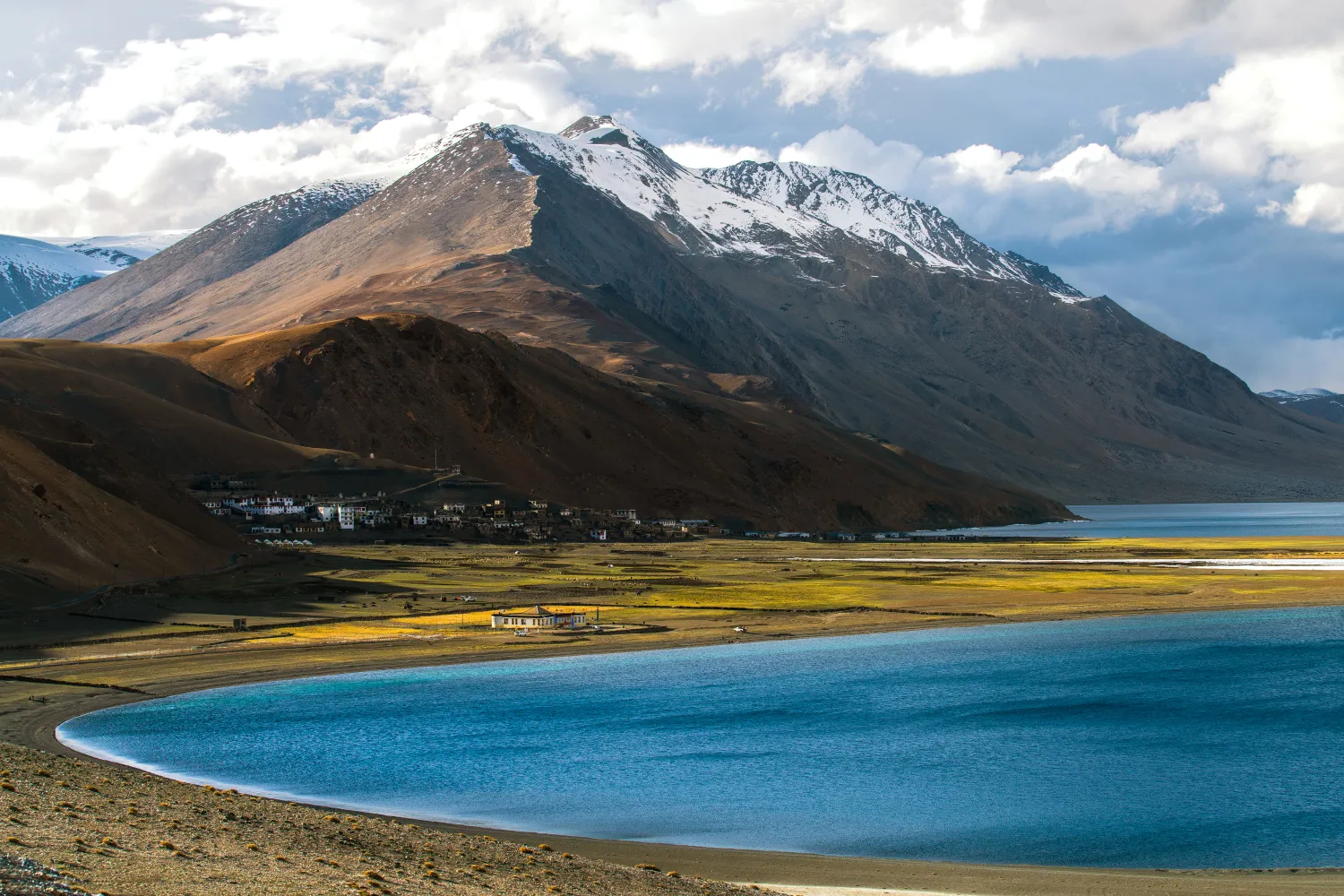
Rumtse to Tso Moriri Trek: Complete Ladakh Trail Guide
The Rumtse to Tso Moriri trek is an ~80 km, 7–8 day strenuous Ladakh trail crossing Kyamar La (~5,460 m) and Polokongka La (~5,190 m), ending at Tso Moriri Lake
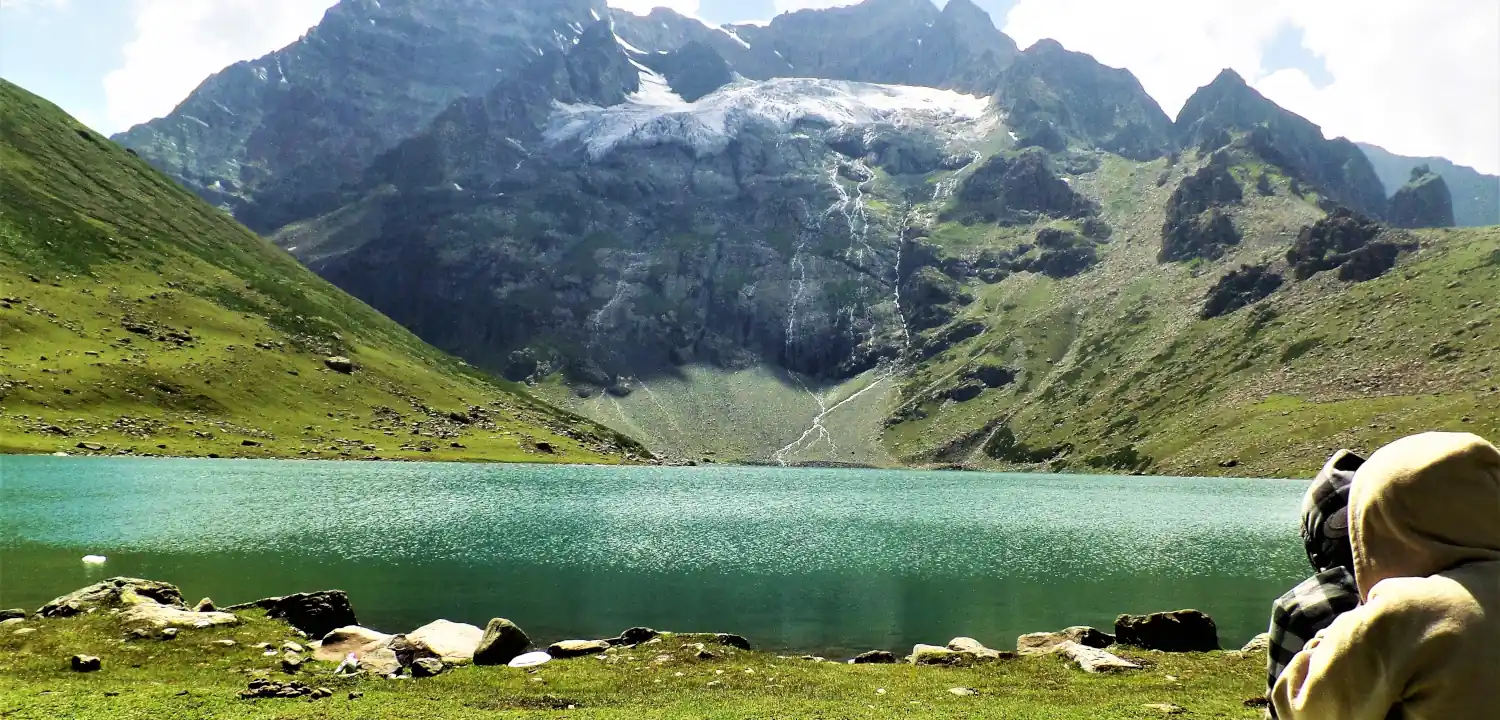
Naranag Gangabal Trek: Complete Guide (2026)
The Naranag Gangabal Trek is a 4–5 day moderate-difficult alpine trek in Kashmir, covering ~26–30 km from Naranag (2,150 m) to Gangabal Lake (3,570 m).
Common questions answered
The Kuari Pass Trek is classified as Easy-to-Moderate, making it one of the most beginner-friendly Himalayan treks in India. Daily walking distances range from 6–10 km, the maximum altitude is 3,657 m, and the terrain does not require any technical climbing skills in the spring or autumn seasons. With 6–8 weeks of basic cardio and leg-strengthening preparation, most reasonably fit beginners complete this trek comfortably. Guided packages are strongly recommended for those on their first Himalayan outing.
Live Conditions
Real-time weather & trail status
Trail Conditions
Crowdsourced reports from trekkers who've done this route
Sign in to add a trip report
Find a Trek Buddy
Connect with trekkers planning the same route
No buddies yet for this trek
Sign in and be the first to post a planning signal.