
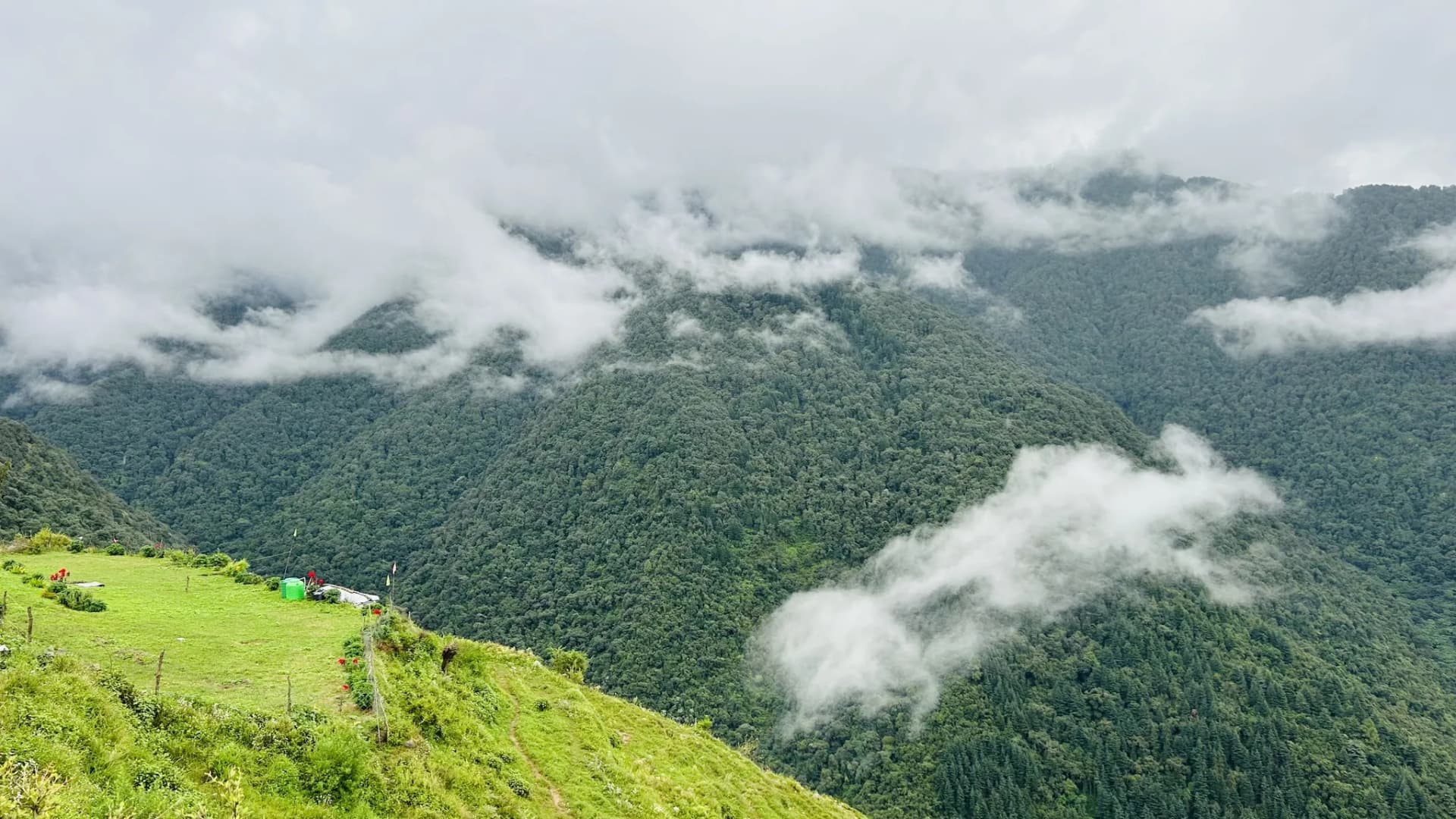
Why Nag Tibba Trek is on every trekker's list
Nag Tibba — literally "Serpent's Peak" — stands at 3,022 m (9,915 ft) in the Garhwal Himalayas of Uttarakhand, and it holds a rare distinction: it is the closest true Himalayan summit to Delhi. At just ~300 km from the capital, this modest but magnificent peak can be conquered over a single weekend, making it one of the most popular and practical treks in northern India. The trail winds through dense oak and rhododendron forests, passes a centuries-old Nag Devta temple at the summit, and opens up to a 180-degree panorama of iconic peaks. If you've been putting off your first Himalayan trek, Nag Tibba is where that journey should begin.
In a country full of breathtaking trekking destinations, what makes Nag Tibba stand out — especially in the 2026 trekking season?
- Closest Himalayan summit to Delhi: No other accessible Himalayan peak sits this close to India's capital. You can leave Delhi on a Friday night and stand on a Himalayan summit by Saturday morning.
- Perfect first Himalayan trek: Graded Easy to Moderate, Nag Tibba requires no technical climbing skills, no acclimatisation days, and no special mountaineering experience. It is widely recommended as the ideal beginner Himalayan trek.
- Doable in a weekend: The standard itinerary is 2 days and 1 night, with an optional Day 0 overnight journey from Delhi.
- Year-round accessibility: Unlike many high-altitude treks that shut down in winter or monsoon, Nag Tibba can be attempted in most months — though some seasons are clearly better than others.
- Affordable: One of the most budget-friendly Himalayan treks, whether you go DIY or book an organised package.
- Stunning forest trails: The trail passes through thick oak, deodar, and rhododendron forests — particularly spectacular in March and April when the rhododendrons are in full bloom.
- Panoramic Himalayan views: On clear days, the summit offers views of Bandarpunch (6,316 m), Swargarohini (6,252 m), Kedarnath Peak (6,940 m), and the entire Gangotri Range — a 180-degree Himalayan panorama that leaves first-timers speechless.
For more weekend treks from Delhi or treks near Dehradun, Nag Tibba consistently tops the list.
At a glance
Ask TrekSage about Nag Tibba Trek
Get instant answers grounded in verified trek data — beginner-friendliness, best months, permits, packing, and more.
The route at a glance
The standard route begins at Pantwari village (1,625 m), a small hamlet in the Tehri Garhwal district, approximately 75 km from Dehradun. From Pantwari, the trail climbs steadily through forest and meadow to the Nag Tibba base camp clearing (~2,600 m), where most trekkers camp overnight. The final push to the summit (3,022 m) is a relatively short but rewarding 2 km climb past the Nag Devta temple.
An alternate route via Devalsari village is also possible, adding variety for those who have done the standard route before. The Devalsari approach is slightly longer but passes through equally beautiful forest terrain.
For route maps, we recommend downloading the trail on AllTrails or MapMyIndia before departure — mobile connectivity on the trail can be patchy.
Trail Distance and Altitude Profile
| Segment | Distance | Altitude | Est. Time |
|---|---|---|---|
| Pantwari Village | Start | 1,625 m | — |
| Pantwari → Base Camp | ~6 km | 1,625 m → 2,600 m | 3–4 hrs |
| Base Camp → Summit | ~2 km | 2,600 m → 3,022 m | 1–1.5 hrs |
| Summit → Pantwari (descent) | ~8 km | 3,022 m → 1,625 m | 3–4 hrs |
| Total Round Trip | ~16 km | Gain: ~1,397 m | 2 days |
Key Landmarks on the Route
- Pantwari Village (1,625 m): The trek's official starting point. Basic tea stalls and a forest entry permit checkpoint are located here. Parking available for private vehicles.
- Nag Tibba Base Camp (~2,600 m): A broad forest clearing that serves as the primary campsite. Most organised treks set up tents here for the overnight stay.
- Nag Devta Temple (near summit, ~3,000 m): A small but revered temple dedicated to Nag Devta (the serpent deity), believed to be the guardian of the local forests and villages. Locals and trekkers offer prayers here.
- Nag Tibba Summit (3,022 m): The highest point of the trek, marked by a small cairn and prayer flags. The Gangotri Range panorama from here — including Bandarpunch and Swargarohini — is the trek's signature reward.
From Delhi:
- By Train: Catch the Jan Shatabdi Express or Mussoorie Express from New Delhi / Hazrat Nizamuddin to Dehradun (~6–7 hours). Book well in advance for weekend travel.
- By Bus: Overnight Volvo buses depart ISBT Kashmere Gate for Dehradun (~6–7 hrs). Economical and convenient.
- By Road (self-drive/taxi): ~300 km via NH58 (Delhi–Haridwar–Rishikesh–Dehradun). Allow 6–8 hours accounting for traffic.
From Dehradun to Pantwari:
- Hire a taxi from Dehradun ISBT or Clock Tower taxi stand to Pantwari village (~75 km, ~2–2.5 hrs).
- Route: Dehradun → Mussoorie → Kempty Falls → Nainbagh → Pantwari.
- Shared cabs may be available but are not always reliable on weekends — pre-booking is advised.
Key Transport Details:
- Nearest Railway Station: Dehradun Railway Station
- Nearest Airport: Jolly Grant Airport, Dehradun (~90 km from Pantwari) (approximate — verify current road distance)
- Pantwari GPS Coordinates: 30.7°N, 78.1°E (approximate — verify before navigation)
For more transport guidance, see our detailed how to reach Dehradun guide.
What each day actually looks like
Below is the recommended 2-day itinerary, with an optional Day 0 for those travelling from Delhi.
Day 0 (Optional): Overnight Journey from Delhi to Dehradun
Depart Delhi (ISBT Kashmere Gate) by overnight bus or evening train (Mussoorie Express, Jan Shatabdi) to Dehradun. Arrive Dehradun early morning. This allows you to maximise Day 1 for trekking.
Day 1: Drive to Pantwari and Trek to Base Camp
Morning — Delhi/Dehradun to Pantwari:
From Dehradun, hire a taxi or shared cab (~75 km, 2–2.5 hrs) to Pantwari village via Mussoorie–Kempty Falls–Nainbagh road. The drive itself is scenic, passing through Mussoorie's outskirts and the Aglar River valley. If driving from Delhi directly, the distance is ~300 km via NH58 (Haridwar–Rishikesh–Dehradun corridor), taking approximately 7–8 hours.
Arrive Pantwari by 9–10 AM. Collect your forest entry permit at the checkpoint, pack lunch, and begin the trek.
Trek — Pantwari to Base Camp (~6 km, 3–4 hrs):
The trail begins with a gradual climb through Pantwari's fields before entering dense oak and rhododendron forest. The path is well-marked with periodic trail signs. You'll gain ~975 m elevation over this segment, so maintain a steady pace and take regular water breaks.
Arrive at base camp by early afternoon (1–2 PM). Lunch, rest, and explore the clearing. As evening sets in, temperatures drop noticeably — layer up. A campfire (where permitted) and a hot dinner prepared by your guide or camp cook round out a perfect Day 1. Overnight at Nag Tibba base camp.
Day 2: Summit Push and Return to Delhi
Early Morning — Base Camp to Summit (~2 km, 1–1.5 hrs):
Wake at 5–5:30 AM for the summit push. Starting before dawn ensures you reach the summit as the morning light hits the Himalayan peaks — one of the most photographed moments on this trek. The trail steepens noticeably in this final segment, passing through a mix of scrub forest and open ridge.
Reach the Nag Devta temple just below the summit (~6:30–7:00 AM). Offer a prayer, soak in the silence, then walk the final few minutes to the summit cairn at 3,022 m. On a clear day, Bandarpunch, Swargarohini, Kedarnath Peak, and the Gangotri Range fill the horizon.
Descent and Drive:
Begin descent by 8–9 AM. The return to Pantwari takes 3–4 hours (arrive ~12–1 PM). Have a hot lunch at a local dhaba in or near Pantwari, then drive back to Dehradun (~2.5 hrs). Trekkers returning to Delhi can catch an afternoon/evening bus or train from Dehradun, arriving back in Delhi by late night (10–11 PM).
3-Day Relaxed Variant:
For those who prefer a gentler pace or want an extra acclimatisation buffer, split the trek across 3 days: Day 1 — drive to Pantwari and trek halfway (approx. 3 km to a forest rest point), Day 2 — reach base camp and do a short acclimatisation walk, Day 3 — summit push and return. This variant is especially recommended for participants above age 50 or those with limited fitness preparation.
When to go
| Season | Months | Conditions | Recommended For |
|---|---|---|---|
| Winter | Dec–Feb | Snow-covered trail, -5 to -10°C at summit | Snow trek seekers |
| Spring | Mar–Apr | Rhododendron bloom, clear skies | First-timers, photographers |
| Summer | May–Jun | Warm days, pleasant nights | Families, casual trekkers |
| Monsoon | Jul–Sep | Leeches, slippery, poor visibility | Avoid |
| Autumn | Oct–Nov | Ideal weather, crystal-clear views | Most recommended |
October–November is the sweet spot for most trekkers — post-monsoon skies are clear, temperatures are comfortable (5–15°C at camp), and the Himalayan views are at their sharpest. March–April is a close second, with rhododendron forests ablaze in red and pink.
Nag Tibba Trek in Winter
December to February transforms Nag Tibba into one of the most sought-after winter treks near Delhi. The trail accumulates 1–3 feet of snow, and the base camp and summit turn into a white wonderland. Summit temperatures can drop to -5°C to -10°C, and night temperatures at base camp hover around -5°C.
This version of the trek demands additional preparation:
- Microspikes or crampons for the icy summit approach
- Insulated sleeping bag rated to -10°C
- Multiple thermal layers (base layer + mid layer + down jacket + hardshell)
- Waterproof gloves and gaiters
The Christmas and New Year weekend sees especially high footfall on this trail — book your operator or transport well in advance. For a dedicated snow trek guide, see our winter treks near Delhi roundup.
Is this trek right for you?
Difficulty Grade: Easy to Moderate (Moderate in winter conditions)
Nag Tibba is one of the most beginner-friendly Himalayan treks available. Here's why it works for first-timers:
- No technical sections: No ropes, fixed lines, or scrambling. The entire trail is a walking path.
- Manageable distances: The longest single day involves ~8 km of trekking — well within the range of a reasonably fit person.
- Moderate altitude: At 3,022 m, the summit altitude is below the threshold where Acute Mountain Sickness (AMS) becomes a significant concern for most fit individuals. That said, stay well-hydrated (2–3 litres/day) and ascend slowly.
- Age range: Suitable for trekkers aged 12–60 with basic fitness. Children under 12 may attempt with guardian supervision.
Recommended fitness preparation (2–3 weeks before trek):
- 30–45 minutes of brisk walking or jogging daily
- Stair climbing sessions (10–15 floors)
- Light squats and lunges for knee strength
The winter variant is graded Moderate due to snow, cold, and reduced trail visibility — basic cold-weather trekking experience is an advantage.
What permits you need
Good news for budget-conscious trekkers: Nag Tibba does not require a Restricted Area Permit (RAP) or any special government clearance.
What you do need:
- Forest Entry Permit: Required for all trekkers entering the reserve forest zone. Obtainable at the Pantwari village entry checkpoint on the day of the trek.
- Cost: Approximately ₹150–200 per person (flagged for 2026 rate verification — confirm at checkpoint)
- Camping Fee: If using the forest department campsite at base camp, an additional camping fee may apply. (Exact 2026 rate not confirmed — verify locally or with your operator)
- Valid Government-Issued ID: Carry Aadhaar card or passport. This is checked at the permit booth.
If booking through an operator: Most registered operators include forest permit fees within their package price. Confirm this in writing before booking.
⚠️ Permit fees and procedures are subject to change by the Uttarakhand Forest Department. Always verify current rates at the Pantwari checkpoint or with your registered operator before departure.
What this trek will cost you
DIY vs. Organised Package — 2026 Comparison
| Expense | DIY Estimate | Organised Package |
|---|---|---|
| Transport (Delhi–Pantwari–Delhi) | ₹1,000–1,400 (shared taxi) or ₹8,000–10,000 (private cab, split) | Included from Dehradun |
| Forest Entry Permit | ₹150–200/person | Included |
| Tent Rental | ₹300–500/person | Included |
| Food (2 days) | ₹600–900/person | Included |
| Guide/Porter | ₹800–1,200/day (optional) | Included |
| Approximate Total | ₹2,500–4,500/person | ₹3,500–6,000/person |
Premium packages (including sleeping bag rental, microspikes, transport from Delhi, quality meals): up to ₹8,000–10,000 per person.
DIY tips: Shared taxis from Dehradun ISBT to Pantwari cost approximately ₹500–700 per person each way but may require waiting for a full vehicle. Book private cabs in advance for weekend trips as demand spikes on Friday evenings.
⚠️ All cost estimates are indicative for 2026. Actual prices vary by operator, season, and group size. Verify transport fares directly with taxi operators at Dehradun ISBT.
What to pack
Pack light — this is a 2-day trek with a 30–40L daypack being sufficient for most trekkers.
Clothing:
- Thermal base layer (top + bottom)
- Fleece mid-layer or lightweight down jacket
- Waterproof/windproof outer jacket
- Trekking pants (1 pair; convertible recommended)
- Moisture-wicking T-shirts (2)
- Wool or synthetic trek socks (3 pairs)
- Warm gloves and beanie/woollen cap
- Buff/neck gaiter
Footwear:
- Ankle-support waterproof trekking shoes (broken in before the trek)
- Microspikes or crampons (essential December–February)
- Camp sandals or lightweight flip-flops
Backpack & Sleeping:
- 30–40L daypack with rain cover
- Sleeping bag rated to -5°C (summer/autumn); -10°C for winter treks
Essentials:
- Headlamp + extra batteries
- Trekking poles (highly recommended; reduces knee strain on descent)
- Sunscreen SPF 50+
- UV-protection sunglasses
- Water bottles (2 × 1L) or hydration bladder
- ORS/electrolyte sachets
- Personal first aid kit (blister plasters, ibuprofen, Diamox if advised by doctor)
Documents:
- Government-issued photo ID (Aadhaar/passport)
- Printed or digital copy of permits
- Emergency contacts (local guide, SDRF, family)
For a full gear checklist, see our trekking gear checklist for India.
Staying safe on the mountain
- Start the summit push early: Leave base camp by 5–6 AM. Afternoon clouds roll in quickly over Garhwal peaks, reducing visibility and increasing precipitation risk.
- Stay on the marked trail: The forest on the approach can disorient trekkers, especially in low visibility. Do not shortcut through unmarked terrain.
- Inform someone of your itinerary: Share your day plan, campsite details, and expected return time with a contact in the plains.
- Carry a rain cover and emergency poncho: Weather in the Garhwal Himalayas can change within minutes, even in October.
- First aid essentials: Blister treatment, ibuprofen for pain/inflammation, ORS for dehydration, and a basic wound kit. Operators typically carry a group kit.
- Altitude awareness: At 3,022 m, AMS risk is low but not zero. If you develop a persistent headache, nausea, or disorientation, descend immediately and do not continue to the summit.
- Mobile network: Jio and Airtel networks are functional in Pantwari. Signal becomes patchy above ~2,000 m on the trail. Download offline maps before departure.
- Solo trekkers: Always use the buddy system or trek with a registered guide. Inform the permit booth at Pantwari of your solo status.
- Emergency contact — Uttarkashi SDRF: 01374-222351 (verify this number is current before departure)
- Winter-specific: Carry microspikes, avoid the trail during active snowfall, and never trek alone in snow conditions.
Similar treks to explore
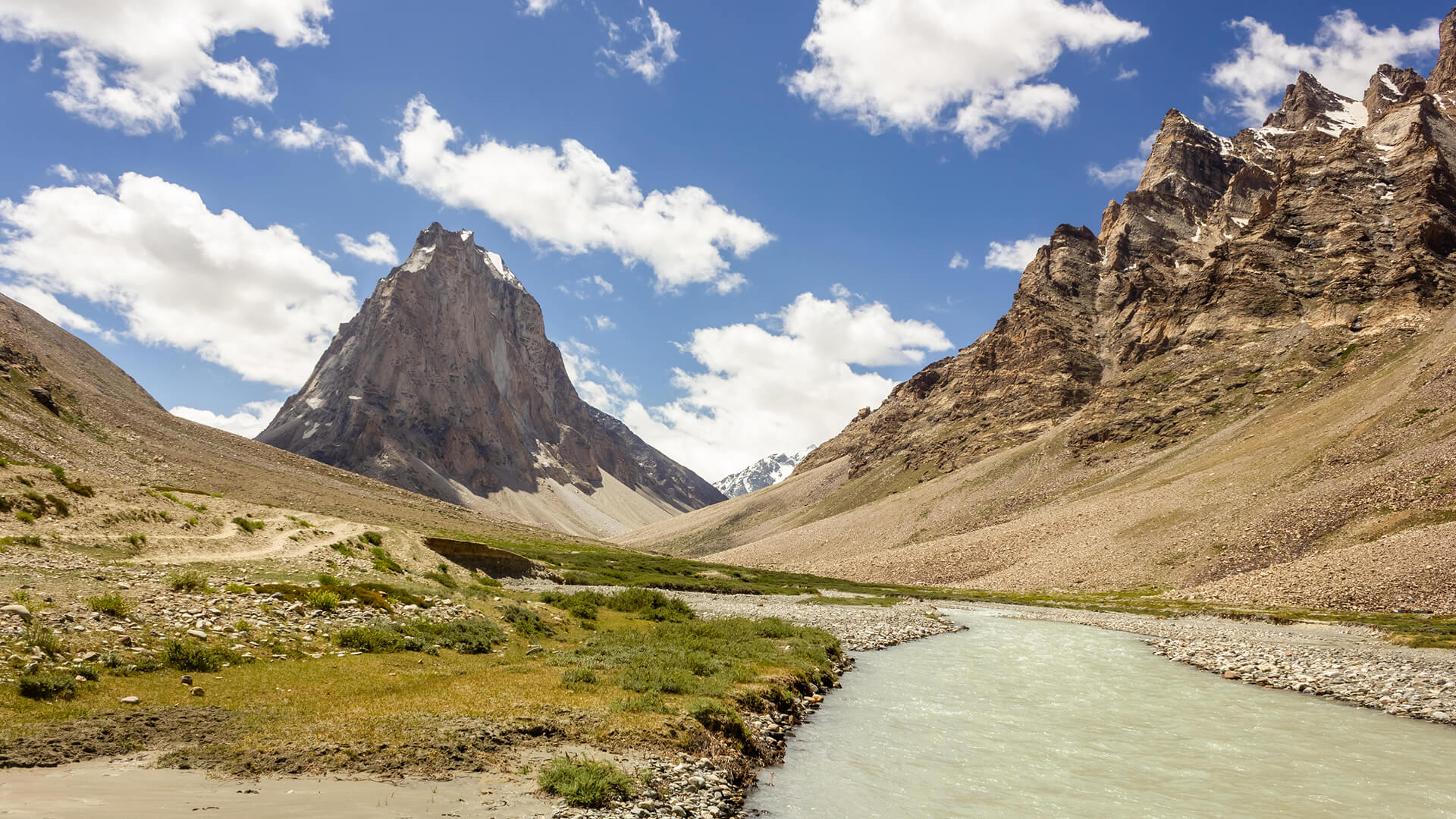
Padum to Darcha Trek: Complete High-Altitude Route Guide
The Padum to Darcha trek covers ~115–120 km in 8–9 days, crossing Shingo La (~5,060 m) between Zanskar and Lahaul.
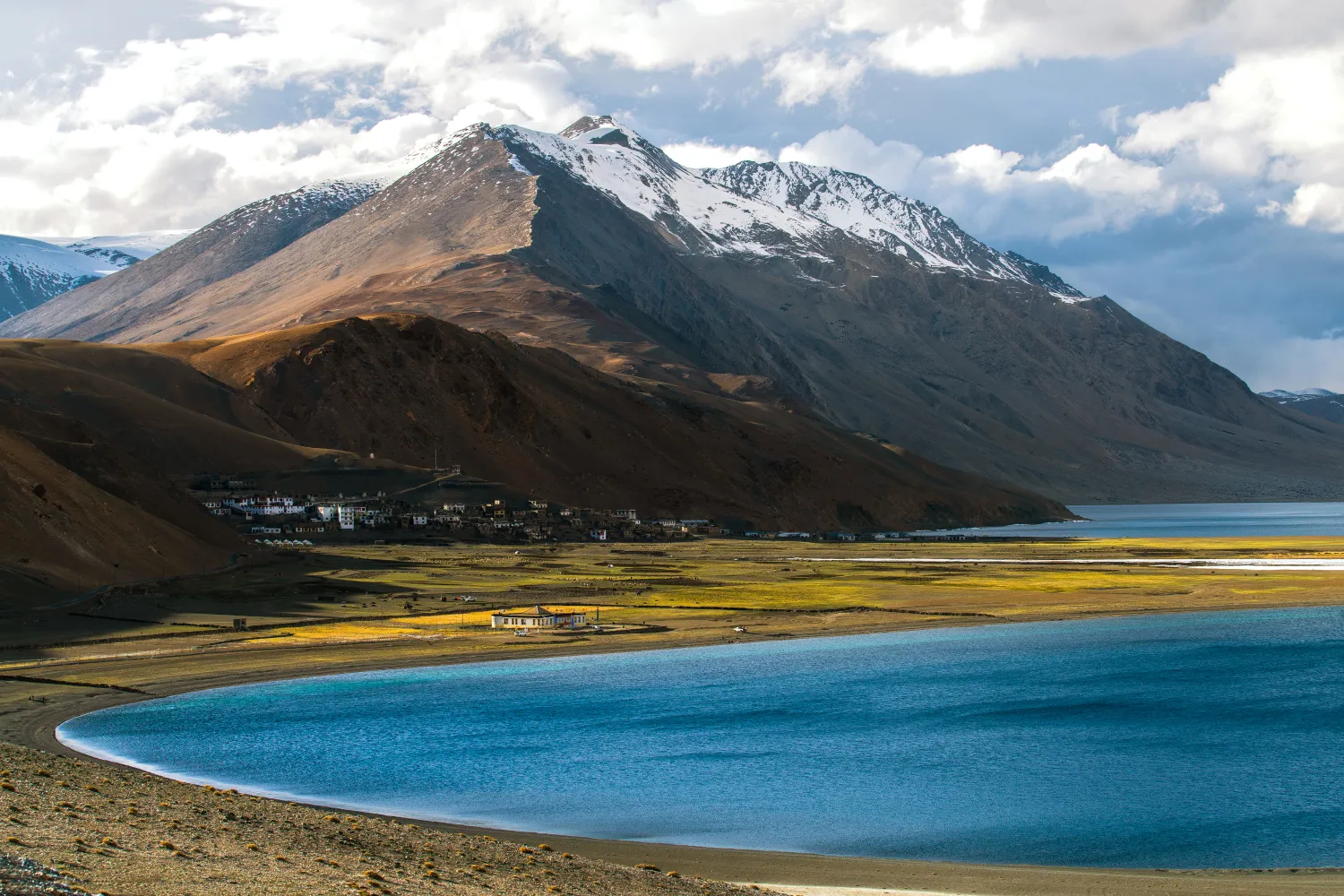
Rumtse to Tso Moriri Trek: Complete Ladakh Trail Guide
The Rumtse to Tso Moriri trek is an ~80 km, 7–8 day strenuous Ladakh trail crossing Kyamar La (~5,460 m) and Polokongka La (~5,190 m), ending at Tso Moriri Lake
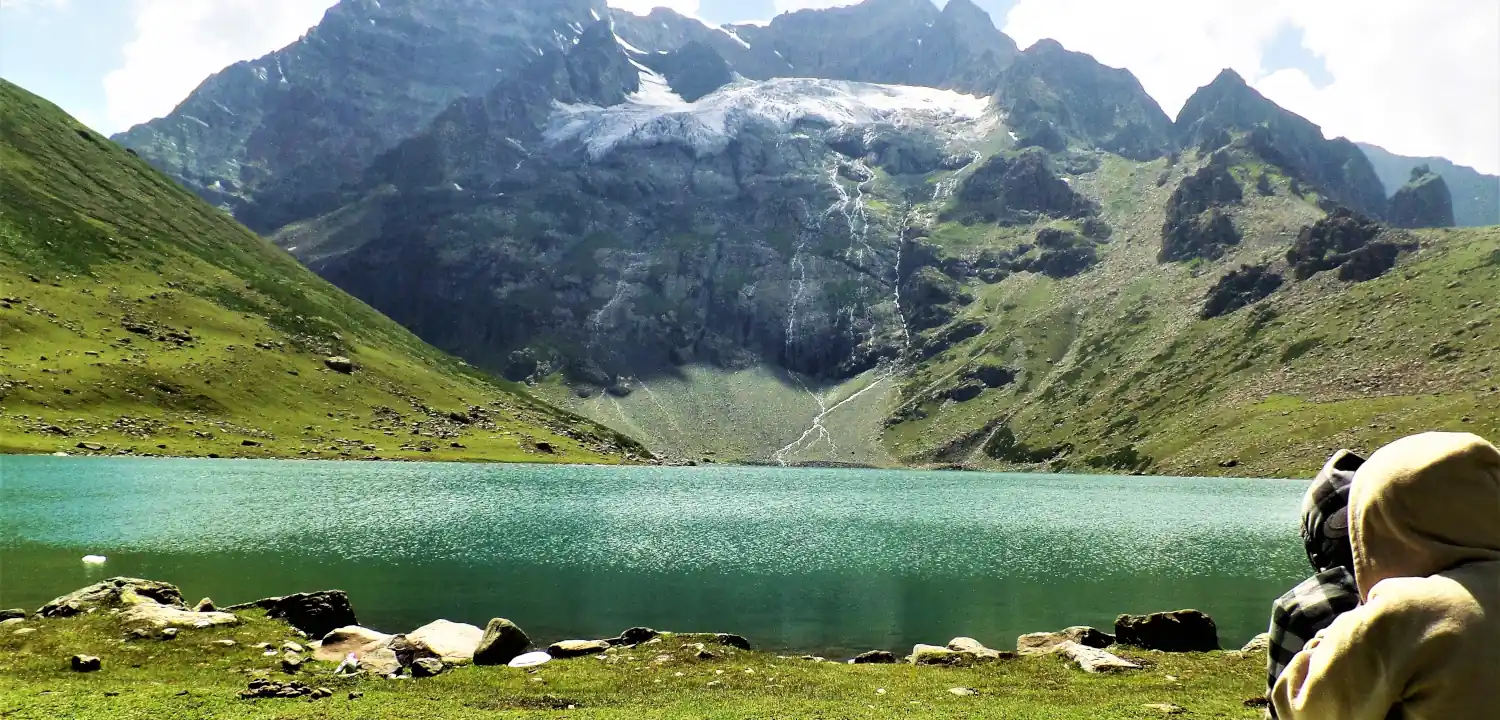
Naranag Gangabal Trek: Complete Guide (2026)
The Naranag Gangabal Trek is a 4–5 day moderate-difficult alpine trek in Kashmir, covering ~26–30 km from Naranag (2,150 m) to Gangabal Lake (3,570 m).
Common questions answered
Absolutely. Nag Tibba is widely regarded as one of the best beginner Himalayan treks in India. Graded Easy to Moderate, it involves no technical climbing, covers a manageable 16 km over 2 days, and reaches a summit altitude of 3,022 m — high enough to feel genuinely Himalayan but unlikely to cause AMS in reasonably fit individuals. If you've been wanting to do your first Himalayan trek, start here.
Nag Tibba Trek — Latest News
4 Scenic Monsoon Treks Under ₹5,000 For Nature Lovers
Nag Tibba Trek featured among 4 budget monsoon treks under ₹5,000. Affordable alpine adventures for nature lovers in Uttarakhand.
8 Best Trekking Routes In India For Beginners
Outlook Traveller features Nag Tibba Trek as one of India's top beginner-friendly trekking routes. Learn how this recognition impacts first-time trekkers planni
4 easy trekking routes for beginners in India that offer stunning mountain views
4 easy trekking routes for beginners in India that offer stunning mountain views Indulge Express
Live Conditions
Real-time weather & trail status
Trail Conditions
Crowdsourced reports from trekkers who've done this route
Sign in to add a trip report
Find a Trek Buddy
Connect with trekkers planning the same route
No buddies yet for this trek
Sign in and be the first to post a planning signal.