
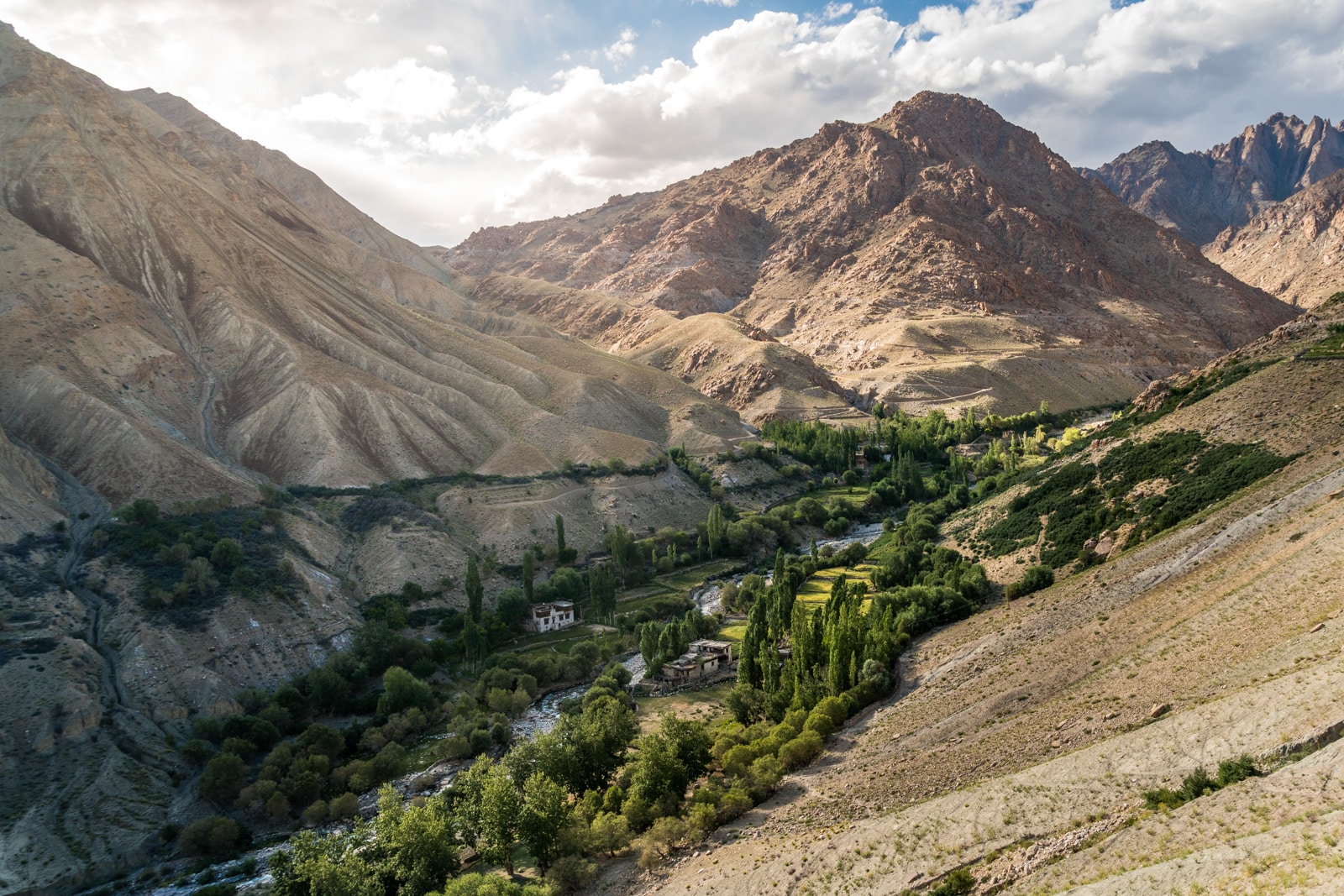
Why Sham Valley Trek is on every trekker's list
The Sham Valley Trek is Ladakh's most beginner-friendly high-altitude trek, reaching a maximum of ~3,700m over 4–5 days.
If you've been dreaming of trekking in Ladakh but aren't sure you're ready for the high passes and technical terrain of routes like the Markha Valley Trek or Stok Kangri, the Sham Valley Trek is your answer. Widely known as the 'Baby Trek' of Ladakh, this is the most accessible high-altitude trek in the region — and one of the most culturally rich you'll find anywhere in India. With a maximum altitude of approximately 3,700m, a classic duration of 4–5 days, and no technical climbing required, the Sham Valley trek is the ideal entry point into the Himalayan trekking world. Whether you're a first-timer, a family with older children, or simply someone who wants culture as much as mountains, this trek delivers in abundance.
Ladakh offers some of India's most spectacular treks, but many of them demand serious altitude tolerance, technical skills, or exceptional fitness. The Sham Valley Trek stands apart for all the right reasons.
Unlike the Markha Valley Trek which pushes above 5,000m, Sham Valley stays comfortably below 3,700m — high enough to feel like genuine Ladakhi wilderness, low enough to remain safe for acclimatised beginners. There are no glaciers, no rope-work, and no vertigo-inducing ridgelines. The trail passes through a string of living, breathing Ladakhi villages where Buddhist culture has remained largely unchanged for centuries.
The route takes you past some of Ladakh's most iconic gompas. Likir Monastery — with its giant golden Maitreya Buddha — greets you at the start. The mysterious Ridzong Monastery, tucked into a narrow canyon, rewards the curious. Lamayuru, on the extended route, is one of the oldest and most visually arresting monasteries in all of Ladakh, perched above a moonscape valley. Alchi Monastery, an 11th-century masterpiece of Indo-Tibetan art, can be visited on the way back to Leh.
For families, senior trekkers, or anyone returning to trekking after a long gap, this trail is uniquely forgiving. Daily walks are modest (10–14 km), gradients are gentle, and every night is spent in a warm homestay in a village — not a remote tent on frozen ground. This is the trek where you arrive as a tourist and leave as a guest of Ladakh.
At a glance
Ask TrekSage about Sham Valley Trek
Get instant answers grounded in verified trek data — beginner-friendliness, best months, permits, packing, and more.
The route at a glance
The classic Sham Valley Trek route runs from Likir to Temisgam, covering approximately 50–55 km over 4–5 days of walking. An extended variant begins at or near Alchi and ends at Lamayuru, stretching the total distance to around 65–70 km over 6–7 days.
The trail follows the valleys carved by streams flowing into the Indus River, with the imposing Zanskar Range forming a dramatic southern backdrop. Elevations are relatively modest — Leh sits at 3,524m, the trail climbs to around 3,700m near Yangthang, and Temisgam lies at a gentler 3,150m. This gradual, mostly descending profile in the latter half makes it very manageable for beginners.
Key landmarks along the route include:
- Ridzong Monastery — accessible on a short detour from the main trail
- Yangtang (Yangthang) village — a tranquil cluster of whitewashed homes and barley fields
- Wuleh Gompa — a small but atmospheric monastery above Hemis-Shukpachan
- Hemis-Shukpachan — one of the most photographed villages in Sham Valley, renowned for its Losar festival
Route maps are available at the DC Office in Leh when collecting your Inner Line Permit, and several offline mapping apps (Maps.me, Gaia GPS) have the Sham Valley trail loaded. Navigation is generally straightforward as the route passes through villages and follows defined footpaths, but carrying a downloaded offline map is always recommended. See our Ladakh Travel Guide for broader navigation advice.
Sham Valley Trek Altitude Profile
One of the great advantages of this trek is its gentle altitude profile. Here are the key elevations:
| Location | Altitude |
|---|---|
| Leh (start/end) | 3,524m |
| Likir Monastery | ~3,630m |
| Yangthang village | ~3,700m |
| Hemis-Shukpachan | ~3,450m |
| Temisgam | ~3,150m |
| Lamayuru (extended route) | ~3,510m |
The gradual ascent from Leh to Yangthang, followed by a long descent to Temisgam, keeps altitude gain manageable. Crucially, none of the passes on the classic route exceed 3,700m — a significant safety advantage for trekkers new to high altitude. That said, altitude sickness (AMS) can occur even at these relatively modest heights, especially in those who arrive in Leh and rush onto the trail without proper acclimatisation.
Key Villages on the Sham Valley Trek
Likir — The trail's starting point is also home to the spectacular Likir Monastery (Klu-Khyil Gompa), founded in the 11th century and home to a giant 23-foot Maitreya Buddha visible from the road. The village itself is compact and friendly, a good warm-up for the days ahead.
Yangthang — A quintessential Ladakhi village of stone houses, prayer flags, and terraced fields. Most trekkers spend their first trail night here in a homestay. The views across the valley toward the Zanskar Range are superb at dusk.
Hemis-Shukpachan — Often described as one of the most beautiful villages in Sham Valley, this is a highlight of Day 3. The village is set among willow trees and Himalayan birch, and the small Wuleh Gompa above the settlement offers a peaceful meditation spot. If you're trekking in late June, you may catch the Losar-related festivities.
Temisgam — The end point of the classic route, Temisgam is a larger village with a ruined fort overlooking the Indus valley. It has a surprisingly relaxed energy, and the green fields after days in the higher terrain feel like a welcome reward.
Alchi & Lamayuru (extended route) — Alchi Monastery is one of Ladakh's most important cultural sites, housing rare 11th-century murals in remarkably good condition. Lamayuru Monastery sits in a dramatic moonscape valley and is among Ladakh's oldest gompas. Including both on the extended route turns a good trek into an extraordinary one.
What each day actually looks like
Below is the classic 5-day Sham Valley Trek itinerary. See the end of this section for the 7-day extended itinerary notes.
Day 1: Leh – Acclimatisation & Preparation
Do not rush this day. If you've flown into Leh (3,524m) from a lower altitude — as almost all visitors do — your body needs time to adjust. AMS can affect even fit, healthy individuals and has been known to hospitalise trekkers who ignore acclimatisation advice. Spend the day resting, hydrating (3–4 litres of water), and doing a gentle 30–45 minute walk to a local viewpoint such as Shanti Stupa or the Leh Palace.
Use this day to:
- Collect your Inner Line Permit from the DC Office Leh (details in the Permits section below)
- Confirm homestay bookings along the route
- Do a gear check — test your boots, adjust your pack, buy any missing supplies from Leh's well-stocked trekking shops on Fort Road
- Brief yourself on AMS symptoms: headache, nausea, dizziness, fatigue
For a detailed acclimatisation plan, see our Leh Acclimatisation Guide.
Accommodation: Guesthouse or hotel in Leh. Budget options from INR 600–1,200/night; mid-range from INR 1,500–3,000.
Day 2: Likir to Yangthang (12 km, 4–5 hrs)
Drive from Leh to Likir village (~60 km, approximately 1.5 hrs by shared taxi or private vehicle). Before hitting the trail, spend 30–45 minutes at Likir Monastery — the giant golden Maitreya Buddha alone is worth the early start.
The trail descends from Likir through barley fields and a dry stream bed before climbing gently toward Yangthang. The terrain is well-defined — sandy paths, rocky sections, and occasional wooden bridges over seasonal streams. There are no technical sections. A lunch stop is typically taken at a scenic point mid-trail; carry packed lunch from Likir or arrange with your homestay host.
Yangthang arrives in the late afternoon, a cluster of traditional Ladakhi homes with a backdrop of rust-red mountains. Your homestay host will serve butter tea or Ladakhi salt tea on arrival — accept graciously; it's both hospitality and acclimatisation medicine.
Accommodation: Homestay in Yangthang (INR 500–800 with dinner and breakfast).
Day 3: Yangthang to Hemis-Shukpachan (10 km, 4 hrs)
The shortest day in terms of distance, but arguably the most scenic. The trail winds through apricot orchards — spectacular in blossom in late May and laden with fruit in late July/August — and follows a stream valley with two or three easy river crossings on stepping stones. Carry trekking poles for stability.
As you approach Hemis-Shukpachan, the trail rises gently into birch and willow woodland — unusual for Ladakh and utterly lovely. The village is exceptionally photogenic, and the small Wuleh Gompa above the settlement is worth the 20-minute detour. Reach the village by early afternoon, leaving time to explore at leisure.
Accommodation: Homestay in Hemis-Shukpachan.
Day 4: Hemis-Shukpachan to Temisgam (14 km, 5–6 hrs)
The longest day on the classic route, and the one that requires the most preparation. An early start (7:00–7:30 AM) is strongly advised. The trail passes through the small settlement of Ang village, then crosses a broad ridge before descending through increasingly dramatic terrain to Temisgam.
Scenic highlights include sweeping views back toward the Zanskar Range, the ruined watchtowers above Ang, and the final descent into the wide, green Temisgam valley with the Indus River glinting below. The sense of arrival here — after the high, dry landscape of the previous days — is genuinely moving.
Carry extra snacks and water; there are limited refill points between Ang and Temisgam.
Accommodation: Homestay or guesthouse in Temisgam.
Day 5: Temisgam to Leh (Drive, ~2.5 hrs)
A relaxed morning in Temisgam before the drive back to Leh on the Leh-Srinagar highway. If time allows, make an optional stop at Alchi Monastery (~30 minutes from Temisgam). The 11th-century murals inside are among the finest surviving examples of early Buddhist art in the Himalayas — and it would be a genuine shame to pass them by.
Arrive back in Leh by early afternoon. Celebrate with a meal at one of Leh's excellent restaurants on the main bazaar.
7-Day Extended Itinerary (Alchi to Lamayuru):
For trekkers with more time, the route can be extended to include the spectacular lunar landscape of Lamayuru. The broad structure adds two days: an initial drive to Alchi (visiting the monastery), trekking via Wanla to Lamayuru over two additional days. This variant covers approximately 65–70 km total and reaches similar maximum altitudes. See our Lamayuru Monastery Guide for details on the extended section.
When to go
The 2026 trekking season for Sham Valley follows the standard Ladakhi summer window. Here is a month-by-month breakdown:
May (Shoulder Season): The trail is accessible from mid-May onwards. Apricot trees are in blossom and the landscapes are exceptionally green after snowmelt. Nights are cold (0°C to -5°C at altitude) and some higher sections may retain snow patches. Days are pleasant (10–18°C). A good choice for those who prefer quieter trails.
June (Early Peak): Excellent conditions. Days are warm (15–22°C), nights cool but manageable (2–8°C). This is one of the best months for photography — wildflowers are in bloom and skies are reliably clear. Permits are available and homestays are open.
July–August (Peak Season): The most popular months. Warm days (18–25°C) and long daylight hours. However, Ladakh does receive some monsoon influence — afternoon thunderstorms and brief showers are possible, particularly in late July and August. Carry a rain jacket always. Trails can become muddy after rain but rarely become impassable. Homestays are busy; advance booking is strongly recommended.
September (Late Peak): Arguably the best month for many trekkers — the monsoon influence fades, skies are crystalline, and the landscape takes on golden autumn tones. Temperatures are comfortable (12–20°C days, 0–5°C nights). One of the top recommendations for the 2026 season.
October (Shoulder Season): Still feasible in early October, but nights drop sharply (-5°C to -10°C at trail altitudes). Some homestays may begin closing from mid-October. Dress in proper winter layers. Stunning clarity and very few other trekkers.
November–April (Avoid): The trail is effectively closed. Snow makes higher sections impassable, homestays are shut, and the risk of whiteout conditions is significant. Do not attempt this trek in winter without specialist winter mountaineering experience and local guiding.
Is this trek right for you?
Overall rating: Easy to Moderate
The Sham Valley Trek earns its 'Baby Trek' nickname honestly. With a maximum altitude of approximately 3,700m, no technical climbing, and daily walking distances of 10–14 km on well-maintained trails, it is genuinely accessible to beginners — provided they respect the altitude.
Recommended minimum fitness level: Comfortable walking for 4–5 hours continuously on uneven terrain. You do not need to be a runner or a gym regular, but you should not be completely sedentary.
Pre-trek training (4 weeks before departure):
- 30–45 minute brisk walks daily, increasing to 1–1.5 hours in the final two weeks
- Include some uphill and downhill walking (stairs, hills, inclined treadmill)
- Basic cardio: cycling, swimming, or jogging 3x per week
- Wear your trekking boots on training walks to break them in
AMS risk: Altitude Mountain Sickness can affect anyone, regardless of fitness or previous high-altitude experience. It is not a weakness — it is a physiological response. Spend a minimum of 2 full days acclimatising in Leh before starting the trek. Symptoms to watch for include persistent headache, nausea, loss of appetite, unusual fatigue, and disturbed sleep. If symptoms are severe or include loss of coordination or confusion, descend immediately and seek medical help. The trail's village-to-village structure makes descent always possible.
Suitable for: Beginners, families with children aged 10+, senior trekkers (consult your doctor if you have cardiovascular conditions), first-time Ladakh visitors.
Not recommended for: Anyone arriving in Leh and attempting to start the same or next day, those with uncontrolled hypertension or heart conditions (without medical clearance), or anyone currently experiencing AMS symptoms.
What permits you need
This is a mandatory section — do not skip permit formalities.
Indian Nationals — Inner Line Permit (ILP):
All Indian nationals trekking in the Sham Valley area are required to hold a valid Inner Line Permit (ILP). This is a standard requirement for travel to restricted border areas of Ladakh.
- Where to obtain: DC Office (District Collectorate), Leh — located near the main bazaar. Also available online through the official Ladakh tourism portal (verify the current portal URL before travel as it has changed previously).
- Cost (2026 estimate): Approximately INR 400–600 per person for the standard trekking permit duration.
- Documents required: Aadhaar card (original + photocopy), two passport-size photographs, completed application form.
- Processing time: Usually same-day at the DC Office if you arrive early morning.
Foreign Nationals — Protected Area Permit (PAP):
As of the most recent available guidance, foreign nationals do not require a Protected Area Permit (PAP) for the standard Sham Valley Trek route. However, this status is subject to change and travellers are strongly advised to verify current requirements with the Ladakh Tourism Department or their country's embassy before travel.
- Documents required for foreign nationals: Valid passport, visa, two passport-size photographs.
Wildlife/Forest Entry:
The classic Sham Valley Trek does not pass through notified wildlife sanctuary core zones requiring separate forest permits. However, if your extended route variation passes through specific protected areas, verify at the DC Office.
For a full breakdown of Ladakh permit types, see our dedicated Inner Line Permit Ladakh guide.
What this trek will cost you
DIY Trekking Cost (5-Day Classic Route)
| Item | Estimated Cost (INR) |
|---|---|
| Transport: Leh to Likir (shared/private taxi) | 500–800 |
| Transport: Temisgam to Leh (return) | 500–800 |
| Homestay accommodation (4 nights, with meals) | 2,000–3,200 |
| Additional meals/snacks on trail | 1,200–2,000 |
| Inner Line Permit | 400–600 |
| Miscellaneous (tips, emergency supplies) | 500–1,000 |
| Total DIY estimate | ~INR 5,100–8,400 |
For planning purposes, budget INR 6,000–10,000 for a comfortable DIY 5-day trek, accounting for price variability and a buffer for unexpected costs.
Organised Package Cost
Organised packages from Leh-based operators or national trekking companies typically cost INR 12,000–20,000 per person for the 5-day trek. Premium operators or smaller group sizes may charge more.
What packages usually include: Guide, porter (sometimes), homestay accommodation, all meals on trek, permit assistance, transport to/from trailhead, emergency support.
What packages usually exclude: Leh hotel before/after trek, flights to Leh, personal trekking gear, travel insurance, tips.
Money-saving tips:
- Book transport as part of a shared taxi group — ask at your Leh guesthouse for other trekkers heading to Likir on the same day.
- Homestays often include dinner and breakfast; eat at homestays rather than buying food at shops.
- Collect your ILP yourself at the DC Office rather than paying an agent's convenience fee.
- Travel in May or September for lower homestay rates than peak July–August.
What to pack
Pack light but pack right. A 40–50L backpack is ideal for this trek — no need for a 70L expedition pack. Here is a categorised checklist:
Clothing
- Moisture-wicking base layer (thermal top and leggings)
- Mid-layer fleece or down jacket
- Waterproof/windproof outer shell (rain jacket)
- 2–3 pairs trekking trousers (quick-dry)
- Sun hat with brim (UV protection is intense at altitude)
- Warm beanie and lightweight gloves
- 3–4 pairs wool or synthetic trekking socks
- Gaiters (optional but useful in early/late season)
Footwear
- Ankle-support waterproof trekking boots (broken in before the trek)
- Lightweight camp slippers or sandals
Gear
- Trekking poles (highly recommended for descents and river crossings)
- 40–50L backpack with rain cover
- Sleeping bag rated to -5°C (homestays provide quilts but a liner/bag adds comfort)
- Headlamp + spare batteries
- Reusable water bottle (1L x2) and water purification tablets
- Sunglasses (UV400 or polarised)
Health & Safety
- Diamox (acetazolamide) — consult your doctor before travel; commonly used for AMS prevention
- ORS (oral rehydration salts)
- Basic first-aid kit: blister plasters, antiseptic wipes, bandages, pain relief
- Sunscreen SPF 50+ (reapply frequently; altitude UV is brutal)
- Lip balm with SPF
- Personal medications
Documents
- Inner Line Permit (original + photocopy)
- Photo ID (Aadhaar/passport — original + copies)
- Emergency contact list (printed, not just on phone)
- Travel insurance documents
Tech
- Power bank (charging is limited in remote villages)
- Phone with offline maps downloaded (Maps.me or Gaia GPS with Sham Valley trail)
- Camera (optional, but you'll want one)
For a comprehensive Ladakh-specific packing list, see our Ladakh Packing List guide.
Stay updated on treks
Get seasonal trek recommendations, permit updates, and gear guides straight to your inbox.
Staying safe on the mountain
Altitude & AMS
- Acclimatise in Leh for a minimum of 2 full days before starting the trek. This is non-negotiable.
- Know the symptoms of Acute Mountain Sickness: persistent headache, nausea, vomiting, dizziness, fatigue, disturbed sleep.
- If symptoms are severe — loss of coordination, confusion, inability to walk straight, or breathlessness at rest — descend immediately and seek medical help. Do not sleep at the same altitude; do not wait for morning.
- Discuss Diamox with your doctor before travel. It is widely used prophylactically but is a prescription medication.
Hydration
- Drink 3–4 litres of water per day on the trek. Dehydration accelerates AMS symptoms.
- Use water purification tablets or a filter for stream water. Do not drink untreated water.
Weather
- Weather changes rapidly in the mountains. Clear mornings can turn stormy by mid-afternoon in peak season.
- Always carry your rain jacket, even if skies look clear at breakfast.
- If a thunderstorm develops on the trail, descend to lower ground and avoid open ridgelines.
Solo Trekking
- The Sham Valley Trek is generally considered safe for solo trekkers due to the village-to-village nature of the route and good trail visibility.
- That said, first-time high-altitude trekkers are strongly advised to hire a local guide — not because the route is confusing, but because an experienced guide can recognise AMS symptoms early and make evacuation decisions calmly.
- Always inform your Leh guesthouse or a trusted contact of your daily itinerary.
Emergency Contacts
- Leh District Hospital: +91-1982-252014
- SDRF Ladakh (State Disaster Response Force): Contact via Leh District Administration — have the number saved before you depart Leh.
- Ensure your travel insurance covers high-altitude trekking and helicopter evacuation.
Similar treks to explore
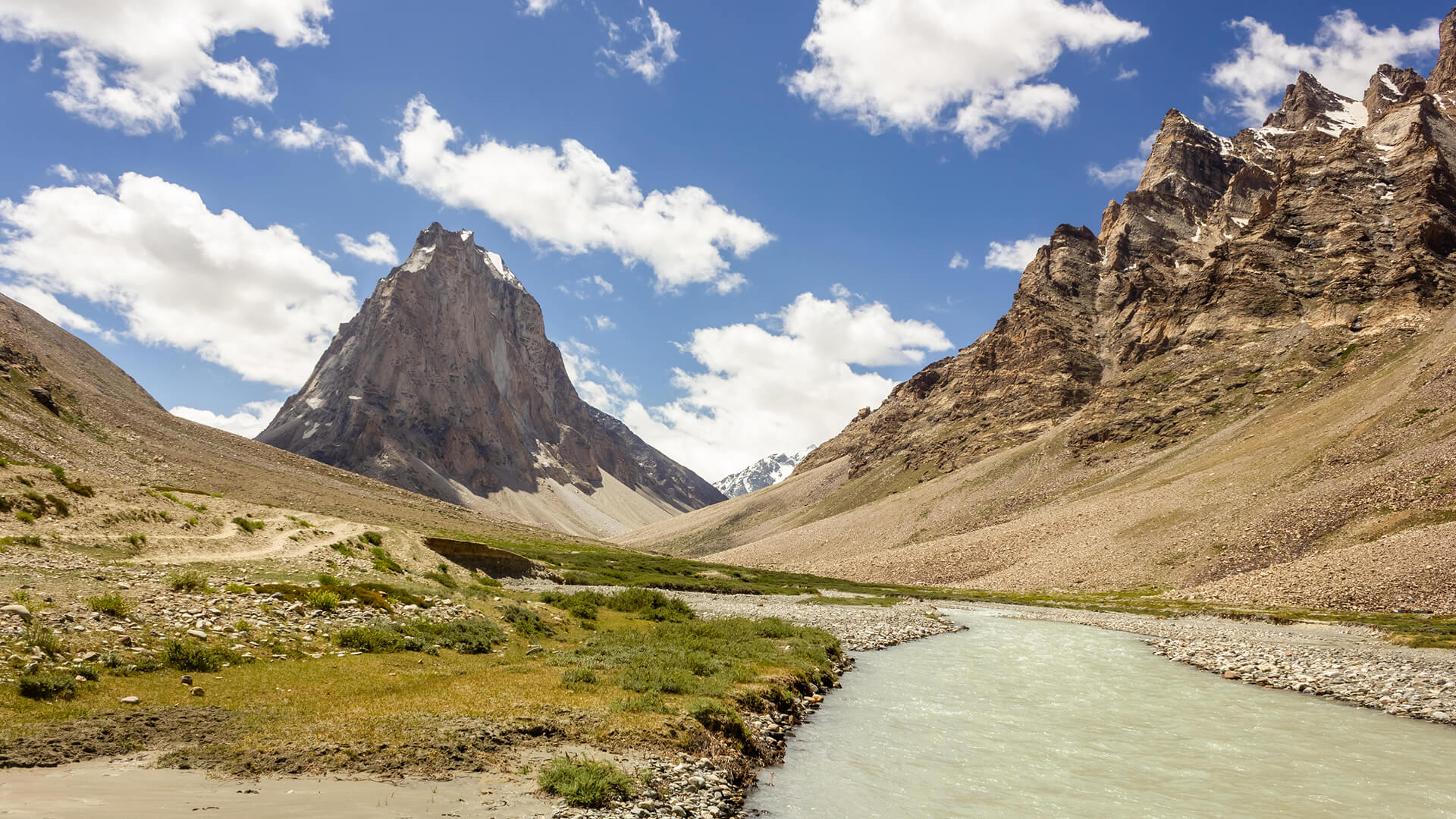
Padum to Darcha Trek: Complete High-Altitude Route Guide
The Padum to Darcha trek covers ~115–120 km in 8–9 days, crossing Shingo La (~5,060 m) between Zanskar and Lahaul.
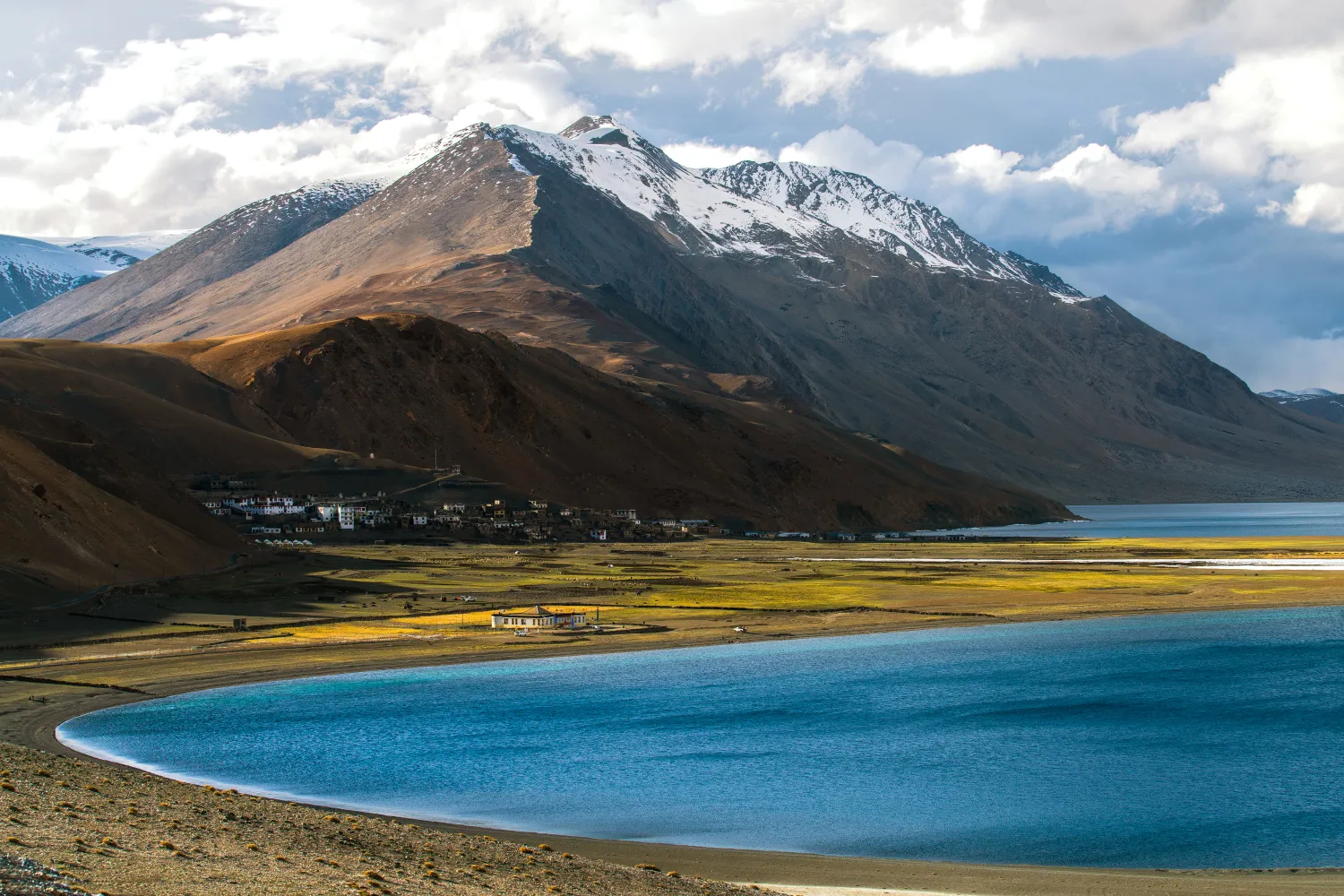
Rumtse to Tso Moriri Trek: Complete Ladakh Trail Guide
The Rumtse to Tso Moriri trek is an ~80 km, 7–8 day strenuous Ladakh trail crossing Kyamar La (~5,460 m) and Polokongka La (~5,190 m), ending at Tso Moriri Lake
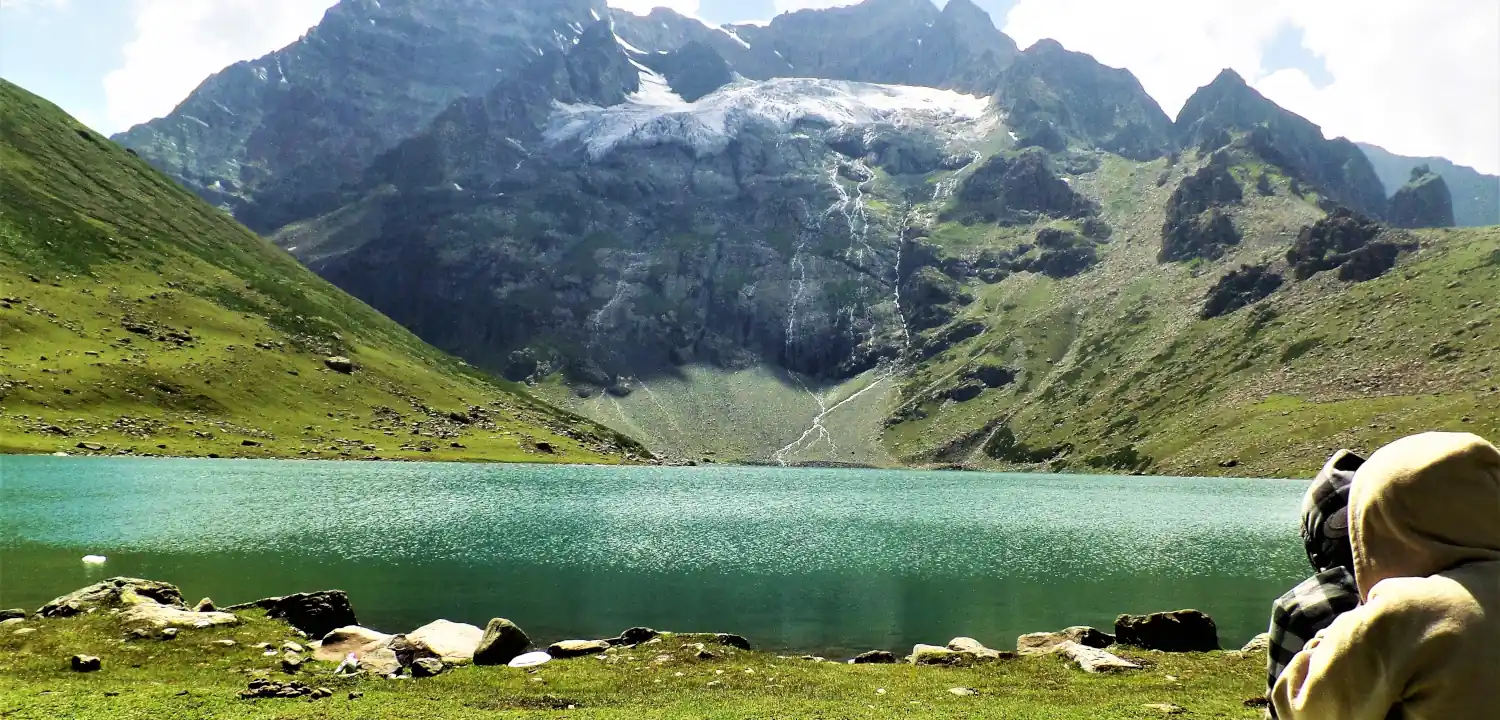
Naranag Gangabal Trek: Complete Guide (2026)
The Naranag Gangabal Trek is a 4–5 day moderate-difficult alpine trek in Kashmir, covering ~26–30 km from Naranag (2,150 m) to Gangabal Lake (3,570 m).
Common questions answered
Yes — it is one of the easiest treks in Ladakh and is widely known as the 'Baby Trek' for this reason. The maximum altitude is approximately 3,700m, there is no technical climbing, and the trail passes through villages every day. It is suitable for anyone with basic fitness, provided they spend at least 2 days acclimatising in Leh before starting.
Sham Valley Trek — Latest News
8 places under 25°C in India to escape the heat this June
Condé Nast Traveller India highlights Sham Valley Trek as one of eight sub-25°C trekking destinations perfect for escaping summer heat in June across India.
8 places under 25°C in India to escape the heat this June
Sham Valley Trek in Ladakh named among India's coolest destinations for June, offering sub-25°C temperatures. Plan your summer trek now before capacity fills.
8 places under 25°C in India to escape the heat this June
Sham Valley Trek highlighted as one of India's coolest June destinations under 25°C. Expert trekking guide for summer season planning and bookings.
Live Conditions
Real-time weather & trail status
Trail Conditions
Crowdsourced reports from trekkers who've done this route
Sign in to add a trip report
Find a Trek Buddy
Connect with trekkers planning the same route
No buddies yet for this trek
Sign in and be the first to post a planning signal.