
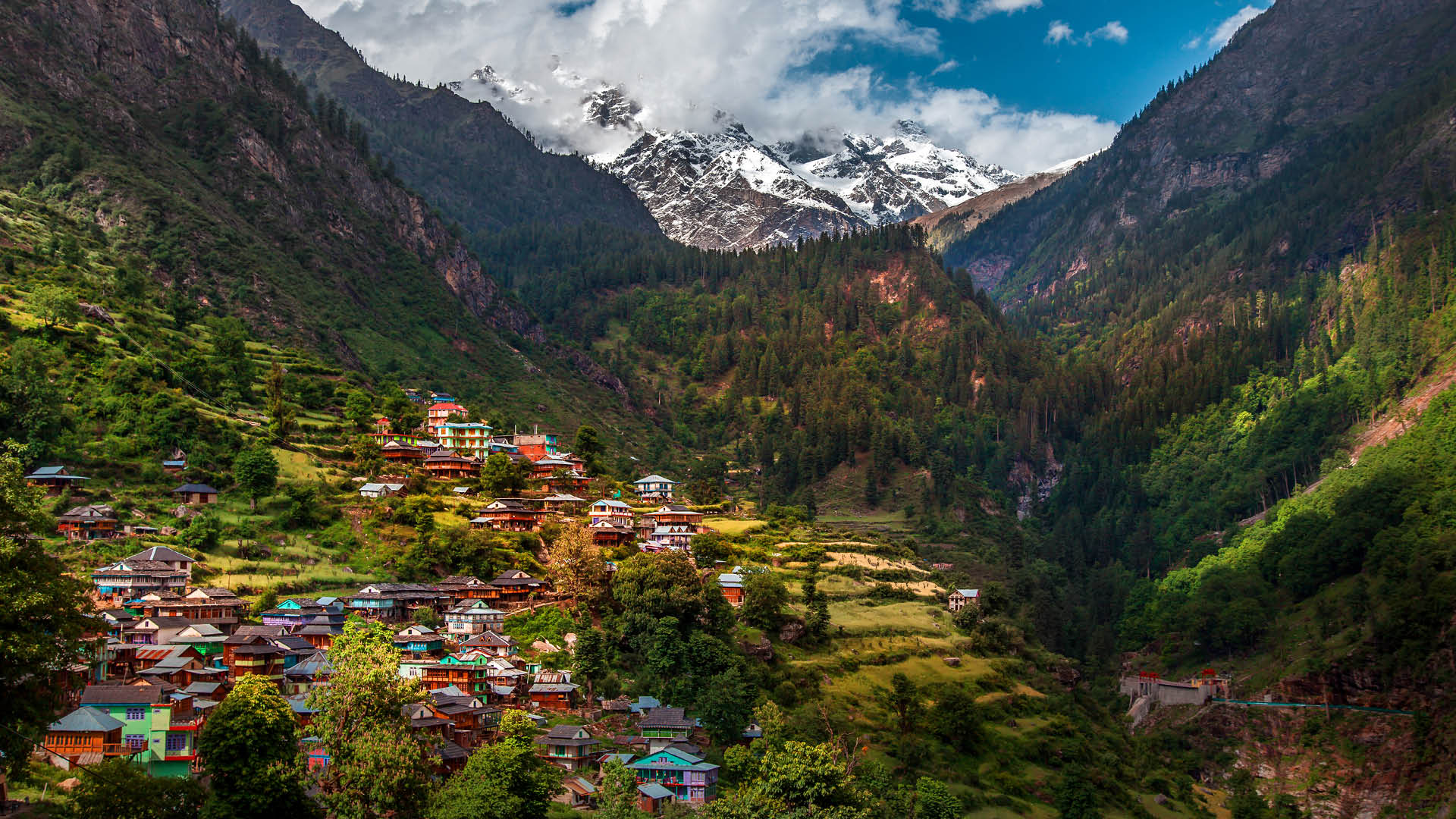
Why Tosh Valley Trek is on every trekker's list
The Tosh Valley trek is a 3–4 km hike from Barshaini to Tosh Village (2,400 m) in Himachal Pradesh's Parvati Valley, rated easy to moderate and best done April–June or October.
Nestled in the folds of Himachal Pradesh's Parvati Valley, Tosh Village sits at approximately 2,400 metres (7,874 feet) above sea level — far enough from the tourist circuit to feel genuinely wild, yet accessible enough for a long weekend from Delhi. The trails above the village climb toward the Tosh Glacier viewpoint at around 3,500 metres, rewarding trekkers with panoramic views of snow-dusted ridgelines and the churning silver thread of the Parvati River far below.
For the 2026 trekking season, Tosh is emerging as one of Himachal's most searched offbeat destinations — a compelling option for travellers who have already done Kheerganga and are looking for their next Parvati Valley adventure. Whether you are a first-time trekker or a seasoned Himalayan walker, this guide covers every detail you need.
In a valley where Kasol has become synonymous with backpacker crowds and neon signboards, Tosh holds out quietly at the end of a steep trail from Barshaini. There are no paved roads into the village, no ATMs, and — depending on the season — no reliable mobile signal. That is precisely the point.
What sets Tosh apart:
- Unobstructed Himalayan views from the village itself — you do not need to summit anything to be rewarded.
- Apple orchards and rhododendron forests line the trail from Barshaini, bursting pink and white in April and May.
- Backpacker culture without the commercialisation: small guesthouses, wood-fired dhabas, and conversations that actually happen.
- Direct connection to the Parvati River gorge — the trail crosses a wooden bridge over the river before ascending into the village.
- A shorter but steeper walk than Kheerganga, making it achievable even for travellers with limited trekking experience.
Compare this with Kheerganga, which draws thousands of trekkers every season for its hot springs: Tosh sees a fraction of that footfall while sitting at a similar altitude. If solitude matters to you, Tosh wins every time.
At a glance
Ask TrekSage about Tosh Valley Trek
Get instant answers grounded in verified trek data — beginner-friendliness, best months, permits, packing, and more.
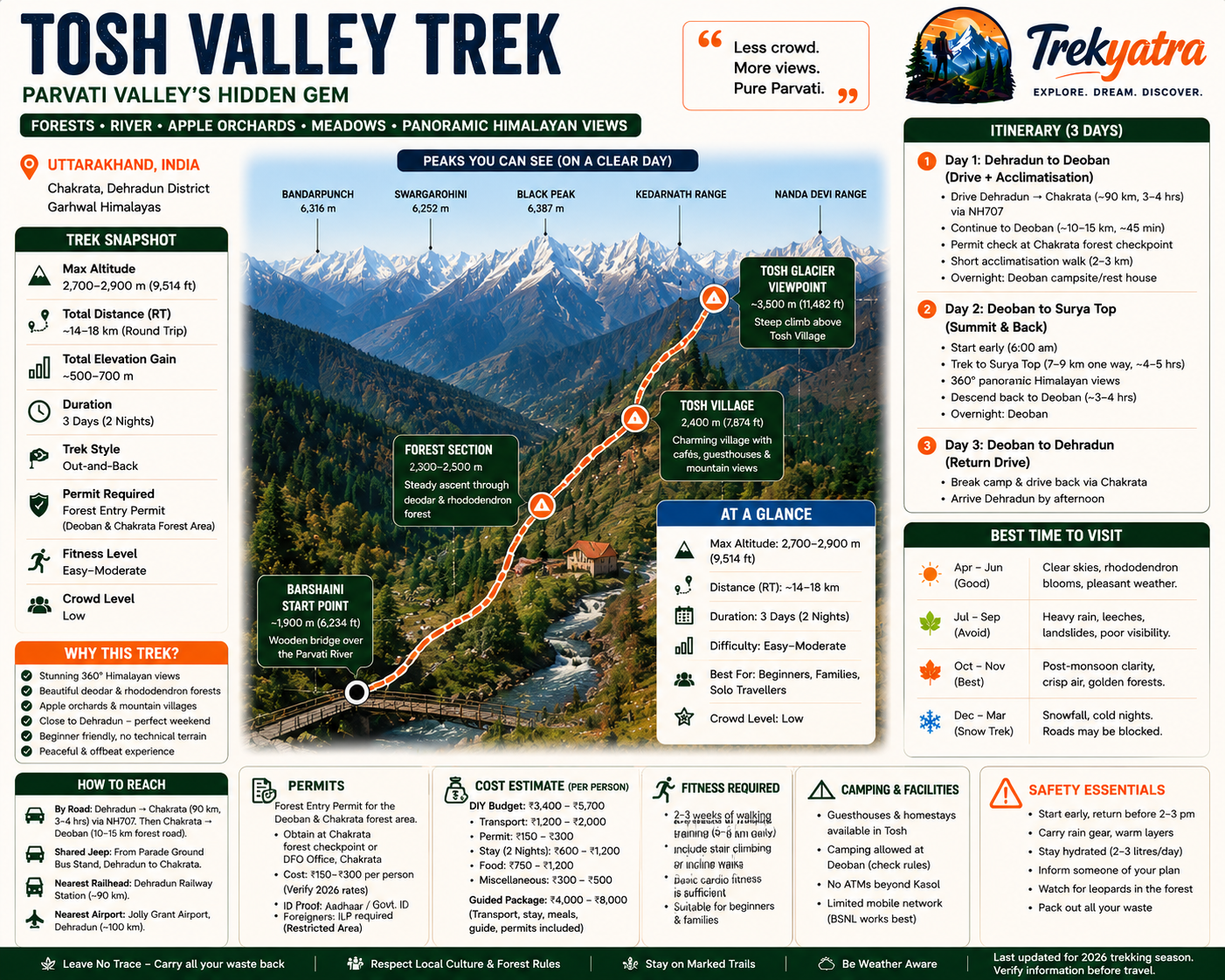
The route at a glance
The standard route follows a logical progression through Parvati Valley:
Delhi ISBT Kashmere Gate → Bhuntar → Kasol → Barshaini → Tosh Village → Tosh Glacier Viewpoint
Kasol to Barshaini
Kasol is the jump-off hub. From here, a local bus or shared jeep covers the ~14–15 km road to Barshaini in roughly 45–60 minutes. The road follows the Parvati River upstream and is scenic but narrow.
Barshaini to Tosh Village
This is the core trekking section: approximately 3–4 km, with an elevation gain of around 400–450 metres. The trail is unpaved, rocky in stretches, and genuinely steep in the upper half. Key landmarks:
- Parvati River bridge — a wooden-and-metal footbridge shortly after Barshaini where the trail splits (left for Kheerganga, right for Tosh).
- Rhododendron and pine forest — the mid-section of the trail passes through dense forest, welcome shade in summer.
- Tosh Village — the trail opens onto terraced fields and stone houses. The iconic Pink Floyd Café area is usually the first cluster of guesthouses you reach.
Tosh Village to Glacier Viewpoint
An extension hike above the village climbs approximately 1,100 metres more to reach the Tosh Glacier viewpoint at ~3,500 metres. This is a full-day out-and-back hike; the trail is less defined above the treeline.
Kheerganga to Tosh Route
A trail does connect Kheerganga to Tosh, making it possible to combine both destinations in a single Parvati Valley loop. Trekkers typically descend from Kheerganga toward Barshaini and then ascend to Tosh, or traverse a ridge trail directly. This combination adds roughly one extra day to a standard Kheerganga itinerary.
See also: Parvati Valley Trek for multi-destination route planning.
What each day actually looks like
A practical 3-night/4-day itinerary from Delhi:
Day 1 — Delhi to Kasol (Overnight Bus)
- Depart: Delhi ISBT Kashmere Gate, evening (roughly 6–9 pm departures are common).
- Mode: Volvo/semi-sleeper bus to Bhuntar (~12–14 hours).
- On arrival at Bhuntar: Take a local bus or shared taxi to Kasol (~30–40 minutes, ~30 km).
- Afternoon: Settle into a Kasol guesthouse, explore the village, pick up any last-minute supplies. Cash out here — no ATMs beyond Kasol.
- Stay: Kasol guesthouse.
Day 2 — Kasol to Tosh Village
- Morning: Early shared jeep or local bus from Kasol to Barshaini (45–60 minutes).
- Trek: Barshaini to Tosh Village — approximately 3–4 km, 2–3 hours depending on pace and conditions.
- Afternoon: Arrive in Tosh, check into a guesthouse, explore the village lanes and apple orchards, acclimatise.
- Evening: Sunset views from the village are exceptional — Tosh faces west across the valley.
- Stay: Tosh Village guesthouse/homestay.
Day 3 — Tosh Glacier Viewpoint Hike (Full Day)
- Early start recommended (6–7 am) for the glacier viewpoint hike.
- Climb above the village through pasture and rocky terrain toward the viewpoint at approximately 3,500 metres.
- Allow 4–6 hours return from the village. Take snacks, extra water, and warm layers — conditions change rapidly above 3,000 m.
- Afternoon: Return to Tosh village. Rest, explore, enjoy a meal at one of the small cafés.
- Stay: Tosh Village.
Day 4 — Tosh to Delhi (Departure)
- Morning: Descend Tosh to Barshaini (1–1.5 hours).
- Take shared transport Barshaini → Kasol → Bhuntar.
- Catch an afternoon/evening Volvo bus from Bhuntar or Kasol back to Delhi ISBT Kashmere Gate.
- Arrive Delhi: Early morning Day 5.
Note: If you want a more relaxed pace, convert this to a 4-night/5-day trip by adding an extra night in Tosh or combining with a Kheerganga stop on Day 3–4.
When to go
| Season | Months | Conditions | Verdict |
|---|---|---|---|
| Summer | April–June | Clear skies, blooming rhododendrons, snow on peaks | ✅ Best |
| Monsoon | July–September | Heavy rain, landslides, leeches, road risk | ❌ Avoid |
| Autumn | October–November | Golden landscapes, cold nights, crisp air | ✅ Good |
| Winter | December–March | Heavy snowfall, road closures, Barshaini road may be blocked | ⚠️ Experts only |
April to June is the prime window: temperatures in Tosh village are comfortable (10–22°C during the day), the trails are dry, wildflowers are out, and the Parvati Valley greens up dramatically. October is the second-best month — post-monsoon clarity delivers the sharpest mountain views, and crowds are lower than peak summer.
Avoid July–September unless you have extensive Himalayan trekking experience. Landslides regularly block the Kasol–Barshaini road, leeches infest the forest trail, and solo trekkers face genuine risk.
Winter treks to Tosh (December–March) are possible for experienced trekkers with proper equipment, but the road to Barshaini frequently closes after heavy snowfall.
Is this trek right for you?
Overall Rating: Easy to Moderate
The main Barshaini-to-Tosh trail is short — 3–4 km — but do not be fooled by the distance. The upper section is genuinely steep, with uneven rocky surfaces that demand some attention. Most reasonably fit adults complete it in 2–3 hours without difficulty.
- No technical climbing required at any point on the standard route.
- Beginners are welcome — this is one of the best entry-level treks in India.
- The glacier viewpoint extension adds moderate challenge due to altitude (~3,500 m) and less defined trail.
Fitness preparation for beginners:
- 2–3 weeks of daily walking (45–60 minutes) or cardio exercise before the trek.
- Practice walking on inclines if possible — a treadmill on an incline setting is useful.
- No prior trekking experience is required, but basic aerobic fitness makes the steep sections much more enjoyable.
Trekkers with knee issues should use trekking poles on the descent, which is harder on joints than the climb.
What permits you need
As of early 2026, no Inner Line Permit (ILP) is required for Indian nationals visiting Tosh Village or trekking the standard Barshaini–Tosh trail. Foreign nationals should verify current entry requirements with the Foreigners Regional Registration Office (FRRO) or the nearest district administration in Kullu, as Parvati Valley has occasionally been subject to updated foreign trekker registration requirements.
What you should carry:
- Government-issued photo ID (Aadhaar, passport, voter ID) — mandatory.
- If camping on forest land, you may need permission from the HP Forest Department. Overnight camping in Tosh's open meadows above the village can fall under forest department jurisdiction.
No trekking permit fee is currently charged for the Barshaini–Tosh route. However, the Parvati Valley is ecologically sensitive and rules can change seasonally. Always check the latest notifications from HPTDC or the Kullu District Forest Office before your trip. Do not rely solely on this guide for permit status.
What this trek will cost you
DIY Budget (Per Person, Delhi–Tosh–Delhi, 4 Days)
| Item | Estimated Cost (INR) |
|---|---|
| Delhi ISBT to Bhuntar/Kasol (Volvo, one way) | ₹600–900 |
| Return bus/transport | ₹600–900 |
| Kasol to Barshaini shared jeep (each way) | ₹150–300 |
| Guesthouse in Kasol (1 night) | ₹400–700 |
| Guesthouse in Tosh (2 nights, ~₹300–600/night) | ₹600–1,200 |
| Meals (3 days × ₹250–400/day) | ₹750–1,200 |
| Miscellaneous (snacks, chai, tips) | ₹300–500 |
| Total DIY Estimate | ₹3,400–5,700 |
Organised Package Tours
Group trek packages from Delhi-based operators covering transport, accommodation, and a local guide typically range from ₹4,000–8,000 per person for a 3-night itinerary. Higher-end packages with better accommodation and smaller groups can reach ₹10,000–12,000.
Camping Gear Rental
If you plan to camp above Tosh village, basic gear (tent, sleeping bag) can be rented in Kasol for approximately ₹300–600/day.
Cash note: There are no ATMs beyond Kasol. Withdraw sufficient cash in Kasol (or Bhuntar) before heading to Barshaini.
What to pack
Gear
- Trekking shoes (ankle support recommended, broken-in before the trip)
- Backpack (30–40L for a 3–4 day trek)
- Trekking poles (especially useful on the steep descent)
- Headlamp with spare batteries
- Rain cover for backpack
- Sleeping bag liner (guesthouses provide blankets, but a liner adds warmth and hygiene)
Clothing (Layered System)
- Thermal innerwear (top and bottom)
- Fleece mid-layer
- Waterproof/windproof outer jacket
- Trekking trousers (quick-dry)
- Warm gloves and a beanie
- Sun hat or cap
- Comfortable camp footwear (sandals or lightweight shoes)
Documents & Money
- Government-issued photo ID (original)
- Sufficient cash (no ATMs beyond Kasol)
- Emergency contact list (printed, not just on phone)
Essentials
- Personal first aid kit (blister plasters, ibuprofen, ORS sachets, antihistamine)
- Sunscreen (SPF 50+) and UV-protection sunglasses
- Reusable water bottles (2L capacity minimum)
- High-energy snacks (dry fruits, energy bars, trail mix)
- Power bank (large capacity — 20,000 mAh recommended)
- Water purification tablets or filter bottle
- Biodegradable soap and personal toiletries
- Garbage bag — pack out all waste
Staying safe on the mountain
Altitude: At ~2,400 metres, Tosh village itself is unlikely to cause altitude sickness in most healthy adults arriving from Delhi (~200 m). However, ascending quickly and then immediately hiking to the glacier viewpoint (~3,500 m) in a single day is not recommended. Spend at least one night in Tosh before attempting the higher hike. Watch for symptoms: persistent headache, nausea, dizziness — descend if they develop.
Weather: Mountain weather in Parvati Valley changes rapidly. Even in summer, afternoon thunderstorms are common. Always carry your waterproof jacket, start long hikes early, and aim to be back in the village before 2–3 pm.
Trail safety: The Barshaini–Tosh trail is slippery after rain and in early spring when snow is melting. Trekking poles and good footwear are essential. Avoid the trail in active monsoon conditions.
Solo trekking: Tosh is generally safe for solo trekkers of any gender, but basic precautions apply:
- Inform your guesthouse host of your intended route and expected return time.
- Trek in daylight only — do not start the glacier viewpoint hike after 7 am if you want to return safely before dark.
- Carry a local SIM with BSNL for the best chance of connectivity in emergencies.
Emergency contacts:
- Kullu District Emergency: 01902-222344
- Nearest hospital: Bhuntar Civil Hospital, approximately 35 km from Kasol.
- Local police: Kasol Police Post (number available at most guesthouses).
Leave No Trace: Parvati Valley's ecosystem is under pressure from increasing tourism. Carry all non-biodegradable waste out of the valley. Do not light open fires in the forest.
Similar treks to explore
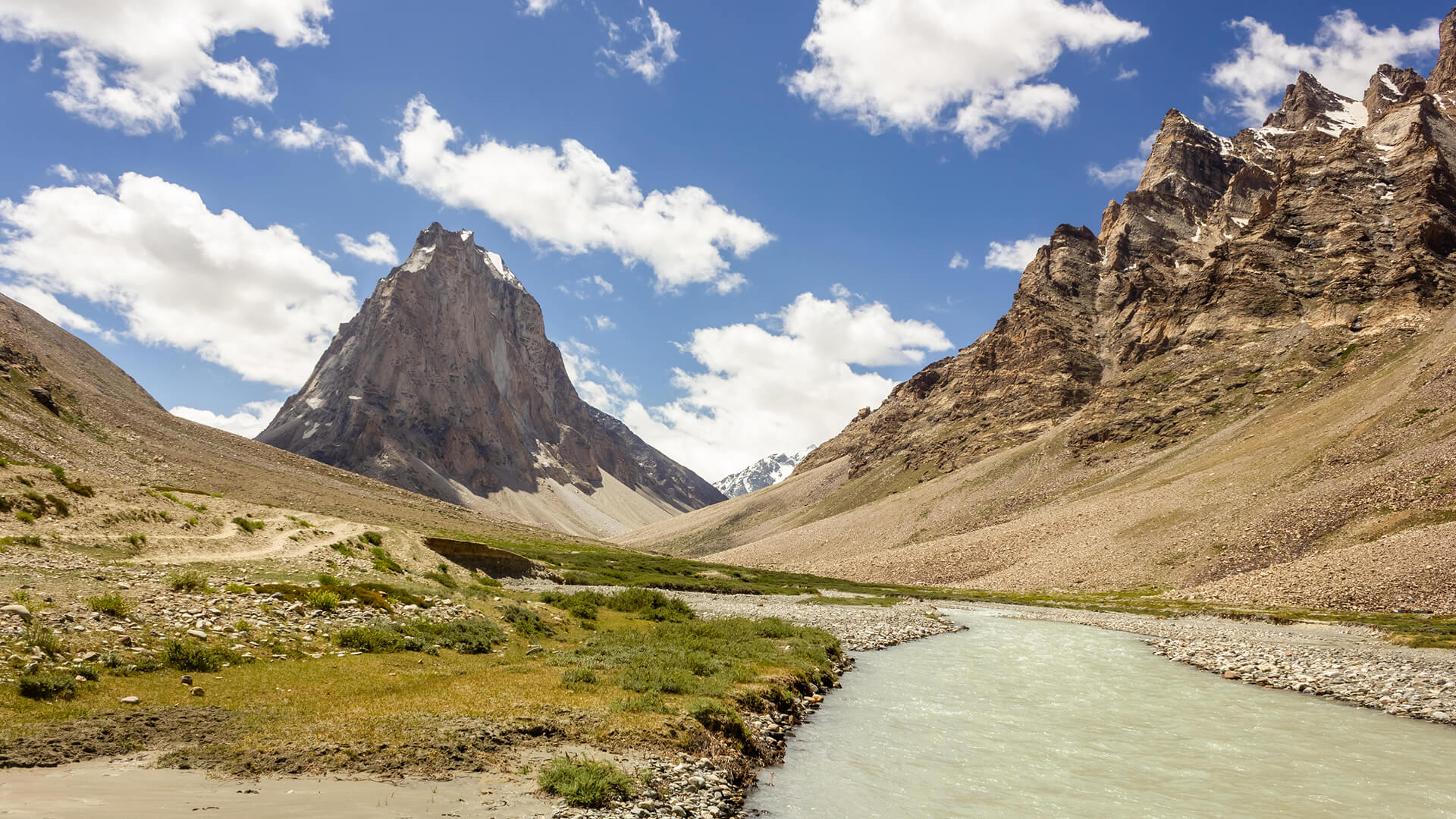
Padum to Darcha Trek: Complete High-Altitude Route Guide
The Padum to Darcha trek covers ~115–120 km in 8–9 days, crossing Shingo La (~5,060 m) between Zanskar and Lahaul.
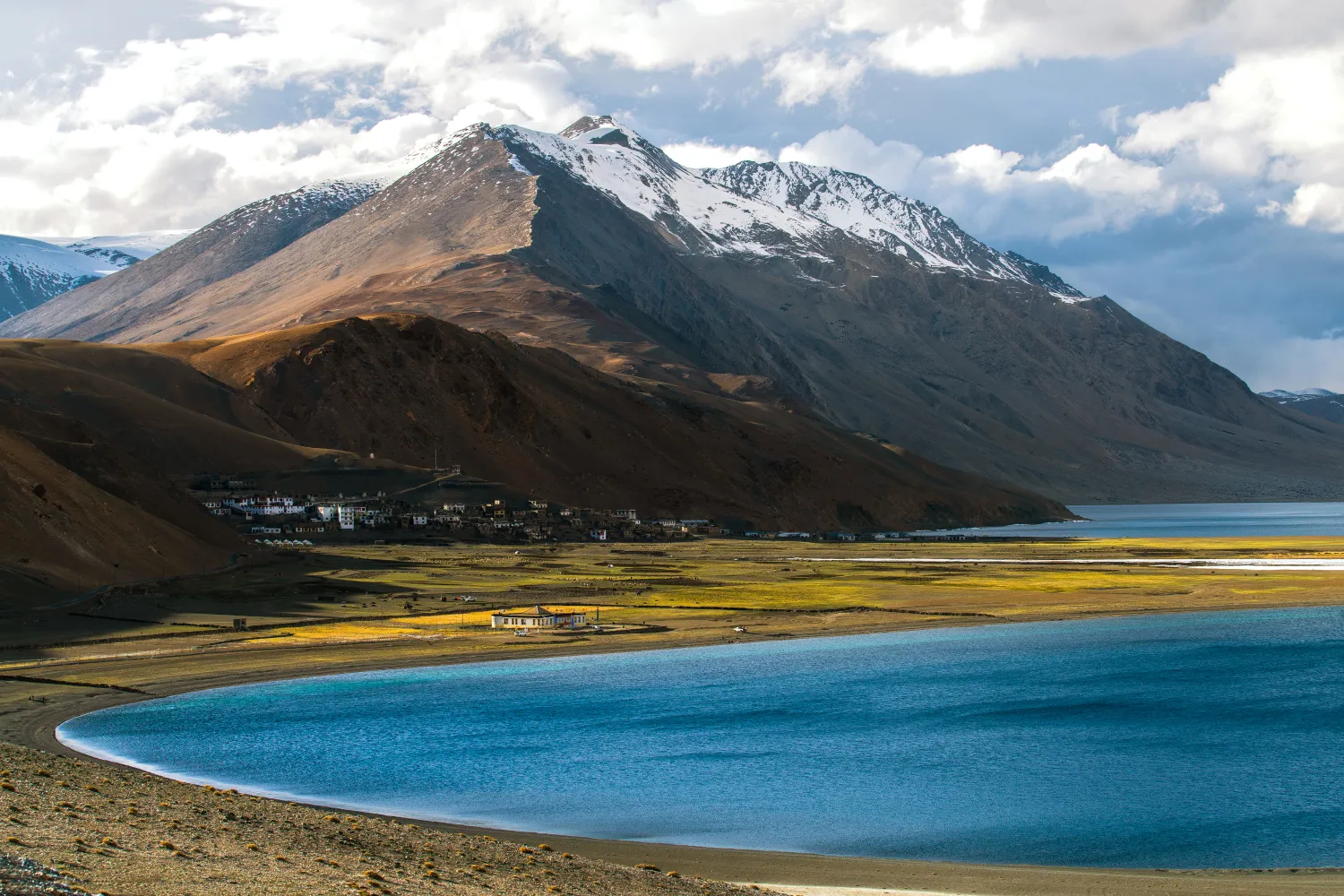
Rumtse to Tso Moriri Trek: Complete Ladakh Trail Guide
The Rumtse to Tso Moriri trek is an ~80 km, 7–8 day strenuous Ladakh trail crossing Kyamar La (~5,460 m) and Polokongka La (~5,190 m), ending at Tso Moriri Lake
Naranag Gangabal Trek: Complete Guide (2026)
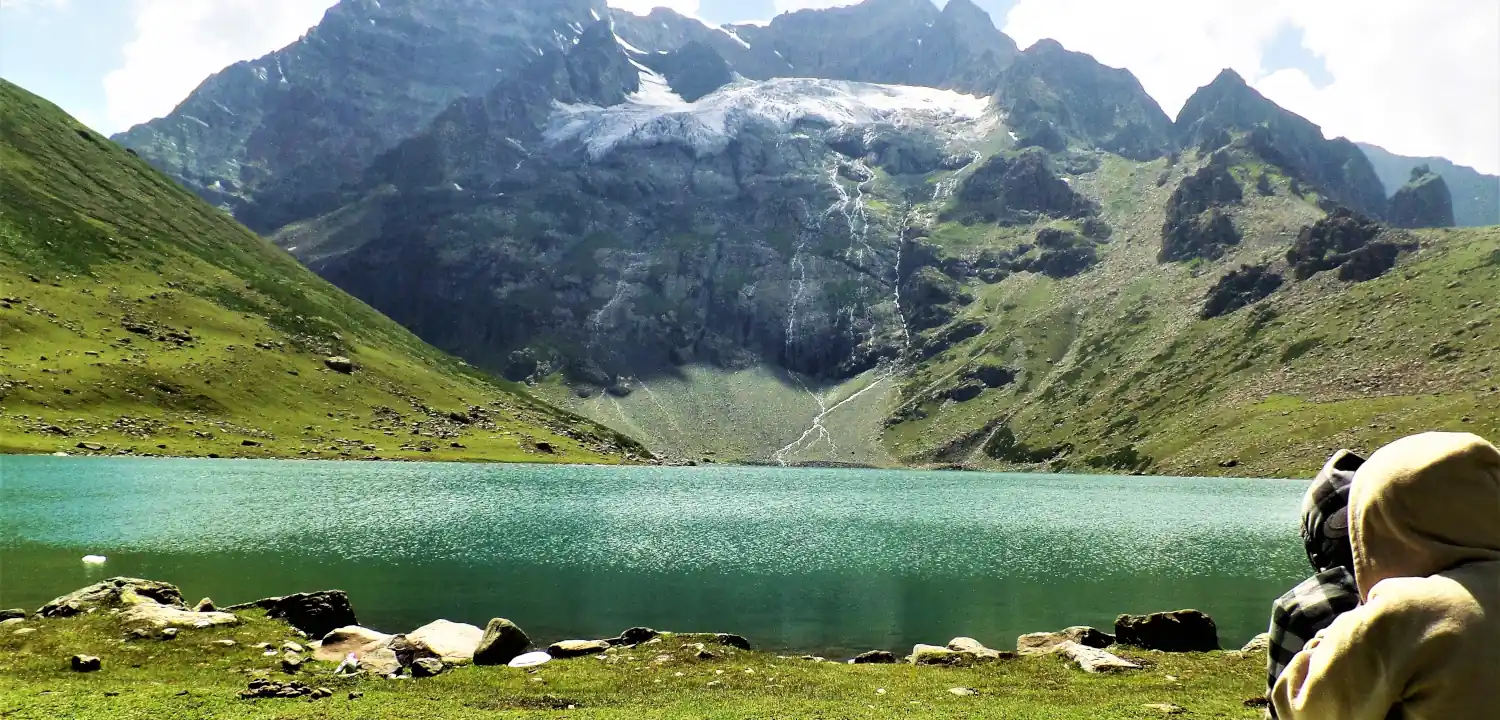
The Naranag Gangabal Trek is a 4–5 day moderate-difficult alpine trek in Kashmir, covering ~26–30 km from Naranag (2,150 m) to Gangabal Lake (3,570 m).
Common questions answered
The Tosh Valley trek is rated easy to moderate. The main trail from Barshaini to Tosh village is approximately 3–4 km, but it is steep — especially in the upper half. Most beginners with basic fitness complete it in 2–3 hours without issue. The glacier viewpoint extension above the village adds moderate challenge due to altitude (~3,500 m) and a less defined trail. No technical climbing skills are needed.
Tosh Valley Trek — Latest News
Trek-First Travel Planning Gains Momentum as Indian Travelers Seek Cooler Escapes this Summer, Reports Agoda
Indian trekkers are prioritising mountain escapes over traditional travel. Tosh Valley Trek demand is rising—book guides and accommodation now to secure your sp
Trekkers keep vanishing in Parvati Valley. These men risk everything to find them
Trekkers vanishing in Parvati Valley's Tosh region. Local rescue teams risk lives searching remote terrain. Critical safety guidelines for trekkers planning thi
Agoda reports rising demand for trek-focused summer getaways among Indian travellers
Agoda reports rising demand for trek-focused summer getaways among Indian travellers ET TravelWorld
Live Conditions
Real-time weather & trail status
Trail Conditions
Crowdsourced reports from trekkers who've done this route
Sign in to add a trip report
Find a Trek Buddy
Connect with trekkers planning the same route
No buddies yet for this trek
Sign in and be the first to post a planning signal.