
Why Triund Trek is on every trekker's list
Triund Trek is a 9 km Easy-Moderate Himalayan trail from McLeod Ganj (1,457 m) to Triund Top (2,875 m) in Himachal Pradesh, ideal for beginners.
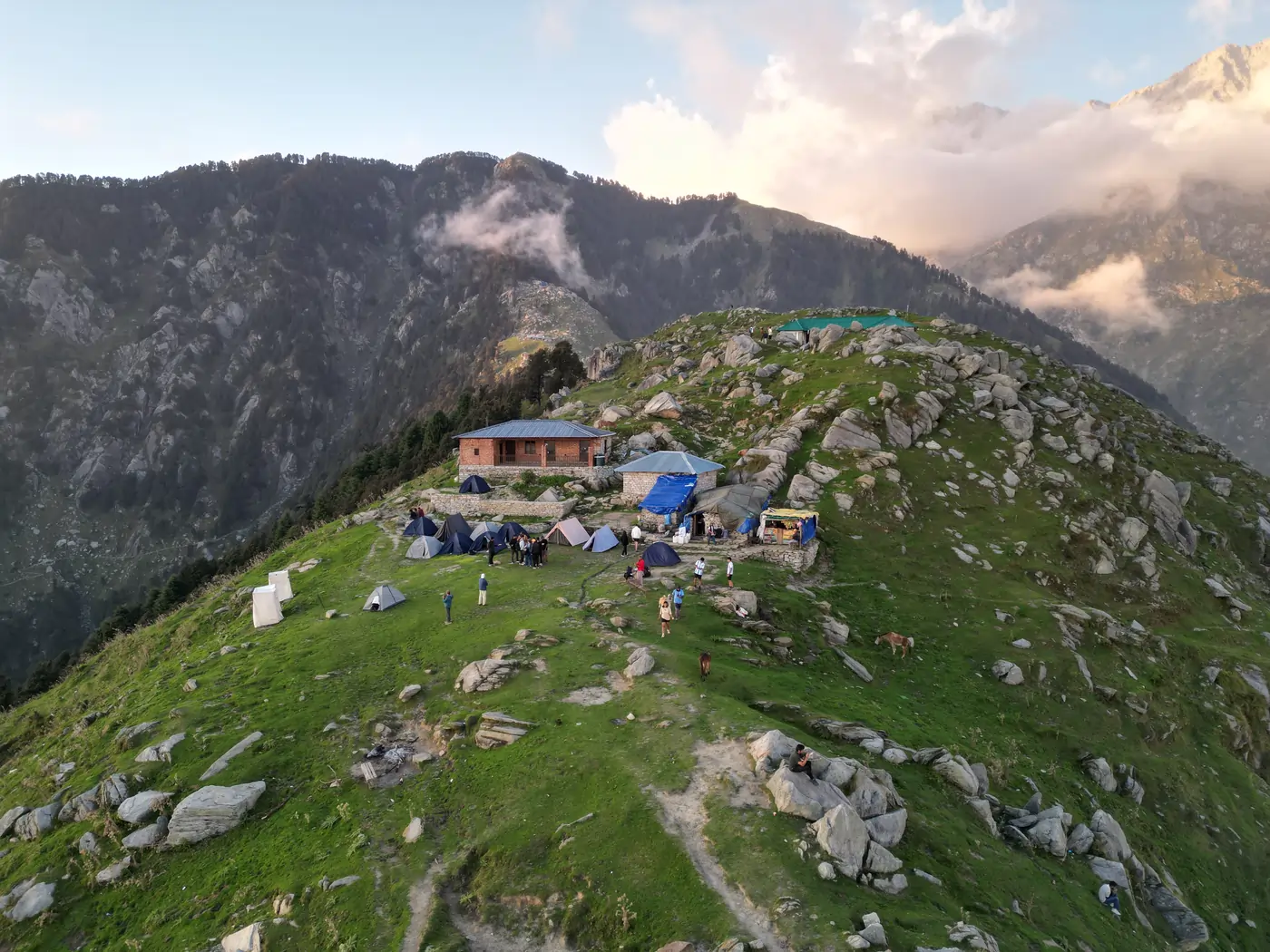
Nestled in the lap of the Dhauladhar Range in Kangra District, Himachal Pradesh, the Triund Trek is arguably the most accessible Himalayan trek in India. Starting from the bustling hill town of McLeod Ganj, the trail climbs approximately 9 km to Triund Top at 2,875 m — a grassy ridge that delivers jaw-dropping panoramas of snow-capped peaks and the vast Kangra Valley below.
Key stats at a glance:
- One-way distance: ~9 km
- Base elevation: 1,457 m (McLeod Ganj)
- Summit elevation: 2,875 m (Triund Top)
- Difficulty: Easy-Moderate
- Duration: 2 days / 1 night (recommended); single-day option possible
Whether you're a first-time trekker, a seasoned hiker looking for a quick mountain fix, or a solo traveller craving a star-lit campsite, this 2026 guide covers every detail you need — routes, permits, costs, the best season, and what to pack.
Few treks in India pack so much reward into so little effort. Here's why Triund consistently tops beginner trek lists:
Unbeatable scenery. The trail opens up onto sweeping meadows carpeted with alpine grass, and the ridge at Triund Top faces the sheer limestone walls of the Dhauladhar Range head-on. On clear days, the views stretch across snow-capped summits and down into the lush Kangra Valley — a landscape that will make even seasoned trekkers pause.
Proximity to McLeod Ganj. The trailhead is a short drive or 20-minute walk from McLeod Ganj, the vibrant Tibetan-influenced town known for its monasteries, cafés, and as the seat of the Tibetan Government in Exile. You can arrive in Delhi on a Friday night, reach McLeod Ganj by Saturday morning, and be on the trail within hours.
Weekend-friendly duration. A 2-day, 1-night plan fits neatly into a long weekend. Even with a Saturday arrival and Sunday departure, you can complete the trek comfortably — making it ideal for working professionals.
Perfect for solo travellers and groups alike. The trail is well-marked, populated enough to feel safe for solo trekkers, and wide enough in places to accommodate groups. Solo women travellers frequently cite Triund as one of India's safer solo trails, though standard precautions always apply.
Camping under the Himalayan sky. Spending a night at Triund Top is a rite of passage. As the last of the day-trippers descend, a quieter, more magical world takes over — bonfires crackle, the Milky Way stretches overhead, and the distant lights of Dharamshala glow in the valley below.
For more Himachal treks of similar character, explore our Dharamshala Treks guide.
At a glance
Ask TrekSage about Triund Trek
Get instant answers grounded in verified trek data — beginner-friendliness, best months, permits, packing, and more.
The route at a glance
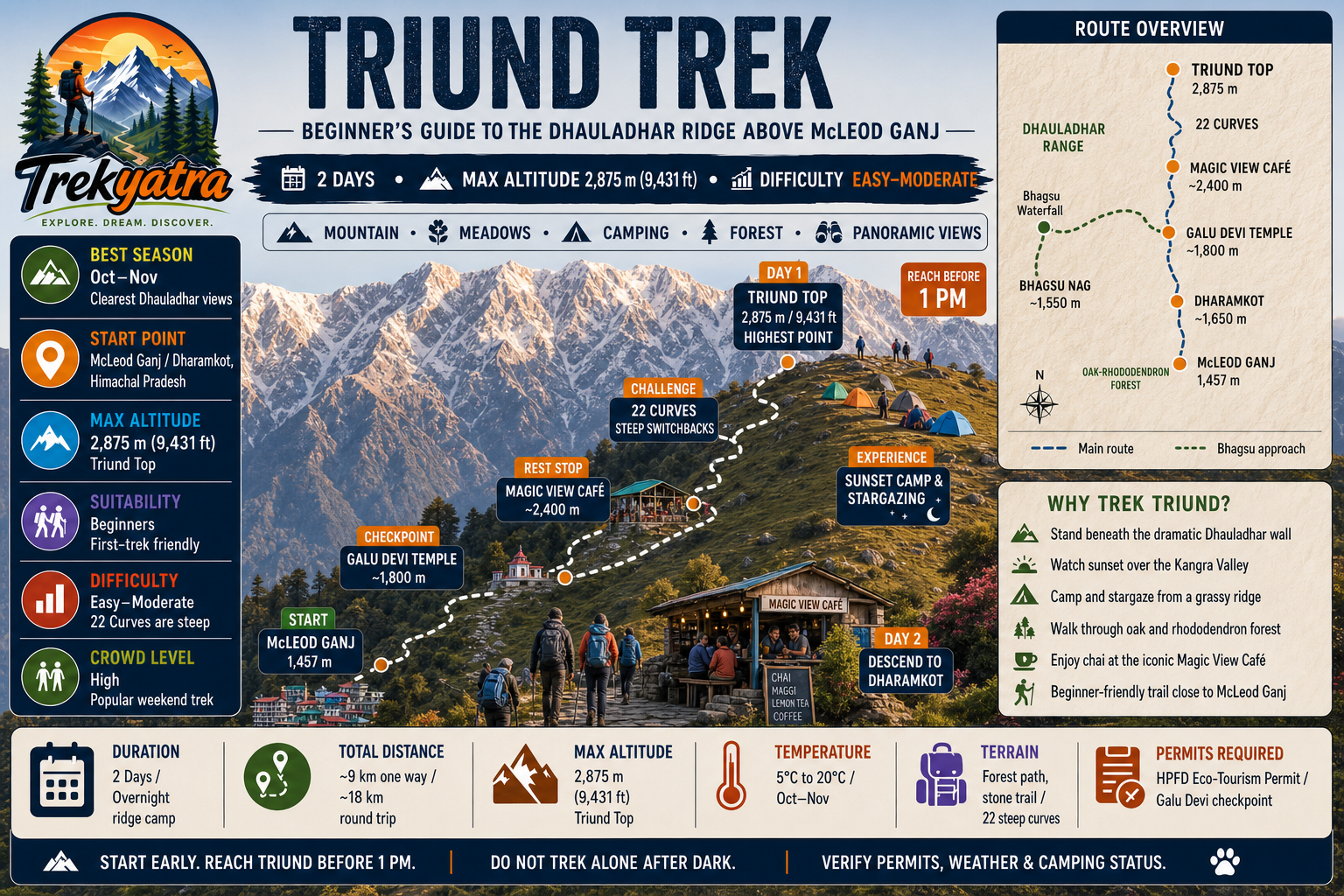
The standard and most popular route begins at McLeod Ganj (1,457 m), passing through Dharamkot before reaching the mandatory forest checkpoint at Galu Devi Temple (approximately 1,800 m), where permits are checked. From Galu Devi, the trail enters dense oak and rhododendron forest before emerging at the beloved Magic View Café — a tea shack perched at roughly 2,400 m with the first clear views of the Dhauladhar peaks.
Beyond Magic View Café, the trail tackles the infamous 22 Curves — a series of steep, switchback bends that form the most demanding section of the entire trek. Despite their reputation, most fit walkers clear the 22 Curves in 45–60 minutes. Once above the treeline, the gradient eases and the trail opens onto the broad, grassy ridge of Triund Top (2,875 m).
Elevation profile summary:
- McLeod Ganj (1,457 m) → Dharamkot (1,650 m): gradual ascent through forest and village lanes
- Dharamkot → Galu Devi Temple (1,800 m): gentle forest trail, permit checkpoint
- Galu Devi → Magic View Café (2,400 m): steady climb through oak-rhododendron forest
- Magic View Café → 22 Curves → Triund Top (2,875 m): steep switchbacks, then open ridge
Triund Trek Distance and Elevation at a Glance
| Parameter | Details |
|---|---|
| Start Point | McLeod Ganj (or Dharamkot / Bhagsu Nag) |
| End Point | Triund Top |
| One-Way Distance | ~9 km (from McLeod Ganj) |
| Round-Trip Distance | ~18 km |
| Base Elevation | 1,457 m (McLeod Ganj) |
| Summit Elevation | 2,875 m (Triund Top) |
| Total Elevation Gain | ~1,418 m |
| Average Trek Duration (one way) | 3–5 hours |
Alternate Starting Points
Dharamkot (1,650 m) is a popular alternate starting point and cuts roughly 1.5–2 km off the approach, making it a convenient option if you're staying at one of Dharamkot's many guesthouses. The trail merges with the main McLeod Ganj route before Galu Devi Temple.
Bhagsu Nag (1,760 m) offers another approach that joins the main trail near the forest zone. It's slightly longer from the village centre but passes the scenic Bhagsu Waterfall, making it a worthwhile alternative for those who want to combine a waterfall visit with the trek start.
What each day actually looks like
Day 1 — Travel to McLeod Ganj, Acclimatise, Explore
Morning: Depart Delhi (or your origin city) by overnight bus or early morning bus/train to Dharamshala/McLeod Ganj. Overnight Volvo buses from Delhi take approximately 12–13 hours, arriving by early morning. For full transport options, see our How to Get to McLeod Ganj guide.
Afternoon: Check into your guesthouse, rest, and hydrate. Explore McLeod Ganj's Tibetan market, grab a meal at one of the many cafés, and visit the Namgyal Monastery if time permits. Resist the urge to overexert on arrival day — light walking only.
Evening: Walk up to Dharamkot (a 20-minute uphill stroll) to preview the trailhead, check the weather forecast, and confirm your permit requirements. Sleep early — tomorrow is a 5 AM start.
Accommodation: Budget guesthouses in McLeod Ganj ₹500–₹1,500/night. See our McLeod Ganj Travel Guide for recommendations.
Day 2 — Trek to Triund Top, Sunset, Overnight Camping
- 5:00–5:30 AM: Wake up, light breakfast (banana, energy bar, tea)
- 5:30–6:00 AM: Begin trek from McLeod Ganj or Dharamkot
- 7:00–7:30 AM: Reach Galu Devi Temple checkpoint — collect your HPFD Eco-Tourism Permit here
- 9:00–9:30 AM: Arrive at Magic View Café — rest, chai, and your first Dhauladhar panorama
- 10:30–11:30 AM: Tackle the 22 Curves — take it slow, enjoy the views opening up
- 11:30 AM–12:30 PM: Reach Triund Top (2,875 m) — congratulations!
- 12:30–3:00 PM: Lunch at the top (dhabas serve Maggi, dal rice, omelettes), rest, explore the ridge
- 5:00–6:00 PM: Watch sunset paint the Dhauladhar peaks in gold and crimson
- Evening: Set up tent or check into rented camping tent, campfire, dinner
- Night: Stargazing from the ridge — some of Himachal's clearest skies
Day 3 — Sunrise, Breakfast, Descent, Depart
- 5:30–6:00 AM: Wake for sunrise over the Dhauladhar Range — unmissable
- 7:00 AM: Hot breakfast at the top dhaba
- 7:30 AM: Begin descent
- 10:00–11:00 AM: Return to McLeod Ganj/Dharamkot
- Afternoon: Rest, lunch, then head to Dharamshala for onward bus/train connections
One-Day Triund Trek Option: Is It Feasible?
A single-day return trek is entirely feasible for reasonably fit trekkers. Start no later than 5–6 AM to avoid afternoon heat and potential thunderstorms, and to ensure you're descending well before dark.
- Total round-trip time: 6–8 hours (including rest stops)
- Pros: No camping gear needed, cheaper, no camping permit required
- Cons: You miss the sunset, the stars, and the magical quietude of the ridge after day-trippers leave — which, for most people, is the entire point of Triund
If time is tight, the day trek is a valid option. But if you can manage the overnight, do it.
When to go
Spring (March–May) — Highly Recommended
Temperatures are pleasant (10–25°C on the trail), rhododendrons are in bloom, and skies are generally clear. Snow from winter may linger on higher sections in early March, adding drama without danger. This is an excellent window for the 2026 trekking season.
Monsoon (June–September) — Generally Discouraged
The Himachal monsoon brings heavy rainfall, slippery mud trails, leeches in the forest sections, and persistent cloud cover that blocks the very views you came for. Flash flooding is a risk in lower sections. July and August in particular see the heaviest rainfall — most experienced trekkers avoid this window. If you must go during shoulder monsoon (June or early September), check weather forecasts obsessively and carry full rain gear.
Autumn (October–November) — Best Overall
This is the sweet spot for Triund. Post-monsoon skies are crystal clear, the air is crisp, temperatures are comfortable (5–20°C), and the Dhauladhar peaks are often draped in fresh snow, creating postcard-perfect vistas. Late November may bring early snowfall to the trail itself, which is manageable but requires proper footwear.
Winter (December–February) — Experienced Trekkers Only
Triund in winter is hauntingly beautiful — but the trail can be buried under heavy snow and temperatures at the top can plunge well below 0°C. The trail is frequently inaccessible without micro-spikes or crampons, and the Galu Devi checkpoint may be closed on extreme weather days. Winter trekking here should only be attempted with an experienced local guide and appropriate cold-weather gear.
Quick-Reference: Best Months for Triund Trek
| Month | Conditions | Recommended? |
|---|---|---|
| March–May | Pleasant, blooming, some lingering snow | ✅ Highly recommended |
| June–September | Heavy rain, leeches, poor visibility | ⚠️ Generally discouraged |
| October–November | Clear skies, fresh snow on peaks, crisp air | ✅ Best overall |
| December–February | Heavy snow, sub-zero nights | ❄️ Experienced trekkers only |
Is this trek right for you?
Difficulty rating: Easy-Moderate
Triund is classified as Easy-Moderate — accessible to beginners but requiring genuine physical effort. Here's why it earns that rating:
- The ascent is sustained (nearly 1,400 m of elevation gain) but there are no technical sections — no rope climbs, no scrambling, no glacier crossings
- The trail is well-defined and clearly marked throughout
- The 22 Curves section is the only genuinely steep stretch, and it's manageable with slow, steady pacing
- Tea stalls and rest points are available at regular intervals
Who can do the Triund Trek?
- Children aged 10 and above (with adult supervision and good fitness)
- Seniors in reasonable cardiovascular health
- First-time trekkers with basic walking fitness
Recommended fitness baseline: The ability to walk 18 km in a day (round trip distance) on uneven terrain. If you're sedentary, begin a 4-week preparation programme: 30-minute brisk walks or jogs daily, stair climbing sessions 3x per week, and light stretching.
For footwear guidance, see our Best Trekking Shoes India guide.
What permits you need
A permit is mandatory for the Triund Trek and is enforced at the Galu Devi Forest Check Post — the sole checkpoint on the trail where rangers verify documents before allowing trekkers to proceed.
Permit name: HPFD Eco-Tourism Permit (Himachal Pradesh Forest Department)
Cost: Approximately ₹150–₹200 per person
Where to obtain: At the Galu Devi Forest Check Post on the trail — you cannot collect it in advance online as of the last verified update
Required documents: Valid government-issued photo ID (Aadhaar, passport, driving licence)
Foreign nationals: International trekkers should carry their passport and valid Indian visa. Additional Inner Line Permit or Protected Area Permit requirements do not apply to Triund (which sits outside restricted zones), but confirm current regulations with the Dharamshala Forest Division office.
Camping permit: A separate camping permit is issued at Triund Top for those staying overnight. This is handled by on-site staff at the designated camping area.
Important: Do not attempt to bypass the Galu Devi checkpoint. Rangers conduct spot checks on the trail and unregistered trekkers may be turned back.
What this trek will cost you
DIY Trek Cost Breakdown (Per Person)
| Item | Estimated Cost (₹) |
|---|---|
| Delhi–McLeod Ganj bus (one way) | ₹600–₹1,200 |
| Accommodation in McLeod Ganj (1 night) | ₹500–₹1,500 |
| Meals in McLeod Ganj (Day 1) | ₹300–₹600 |
| Trek snacks and water | ₹300–₹500 |
| HPFD Eco-Tourism Permit | ₹150–₹200 |
| Tent rental at Triund Top | ₹300–₹600 |
| Meals at Triund Top dhabas | ₹200–₹400 |
| DIY Total Estimate | ₹2,350–₹5,000 |
⚠️ Note: All cost figures are estimates. Verify current transport fares and accommodation rates for the 2026 season.
Guided Package Cost
All-inclusive guided packages (covering guide fee, tent, sleeping bag rental, and meals at the top) typically range from ₹2,500–₹5,000 per person. Prices are higher during peak autumn season (October–November) and long weekends. Packages can be booked through operators in McLeod Ganj or online in advance.
Is a guide necessary for the Triund Trek? For the standard route in good weather, no. The trail is well-marked and populated. However, for winter treks, solo trekkers unfamiliar with mountain terrain, or groups with children, hiring a local guide adds a meaningful safety margin.
What to pack
Clothing (Layered System)
- Moisture-wicking base layer (full-sleeve)
- Warm mid-layer fleece or down jacket
- Waterproof/windproof outer shell (rain jacket)
- Trekking trousers (avoid jeans — heavy when wet)
- Sturdy ankle-support trekking shoes with good grip
- 2–3 pairs of woollen or synthetic trekking socks
- Gloves and warm hat/beanie (essential even in spring; mandatory in autumn/winter)
- Sunhat or buff for sun protection
Gear
- Trekking poles (optional but recommended, especially for descent)
- Headlamp with extra batteries
- Sunscreen SPF 50+
- UV-protection sunglasses
- 20–30 litre daypack with rain cover
- Sleeping bag (if not renting at top — a 0°C-rated bag is advisable)
Food & Water
- Minimum 2-litre water bottle or hydration bladder
- Energy bars, dry fruits, trail mix
- ORS/electrolyte sachets (crucial for hydration at altitude)
- Packed lunch if you prefer not relying on trail dhabas
Documents
- Government-issued photo ID (original)
- HPFD permit (collected at Galu Devi)
- Emergency contact list (written, not just on phone)
- Travel insurance documents
Electronics
- Power bank (charging options at Triund Top are limited)
- Offline maps downloaded (Google Maps offline or Maps.me for the Dharamkot–Triund trail)
- Camera or smartphone — the views demand documentation
What NOT to Carry on the Triund Trek
Triund falls within an eco-sensitive zone under Himachal Pradesh forest regulations. The following are prohibited or strongly discouraged:
- Single-use plastics — banned in the area; carry a reusable bottle and cloth bag
- Loud speakers or Bluetooth speakers — prohibited at the campsite
- Excessive clothing or oversized bags — every extra kilogram punishes you on the 22 Curves
- Heavy DSLR setups without proper padding — the trail has rocks and root sections; protect your gear
- Glass bottles — banned on the trail
Leave no trace. All waste must be carried back down. Littering carries fines.
Staying safe on the mountain
Altitude awareness: At 2,875 m, Triund sits below the threshold where serious Acute Mountain Sickness (AMS) typically develops, but mild symptoms — headache, mild nausea, fatigue — are possible, especially if you ascend too quickly from low elevation. Ascend slowly, stay hydrated, and descend immediately if symptoms worsen.
Hydration: Drink at least 3–4 litres of water over the trek day. Altitude increases fluid loss even in cold temperatures. ORS sachets help replace electrolytes.
Weather and afternoon thunderstorms: Afternoon thunderstorms are common on the Dhauladhar Range, particularly from May through September. Aim to reach Triund Top before 1 PM to avoid being exposed on the open ridge during electrical storms. Check the Himachal Pradesh weather forecast the morning of your trek.
Do not trek alone at night: The trail is unlit and trail edges can be steep in sections. After dark, stay at camp.
Mobile network: BSNL provides partial connectivity on the trail and at Triund Top. Airtel and Jio signals are weak to absent above the treeline. Download offline maps before departing McLeod Ganj.
Stay on the trail: Do not deviate from the marked path. The Dhauladhar slopes above Triund Top are for experienced mountaineers only — the ascent to Indrahar Pass (4,342 m) is a separate, significantly more demanding trek. See our Indrahar Pass Trek guide if you're interested in pushing higher.
Emergency contacts:
- District Emergency Operations Centre, Dharamshala: +91-1892-224400
- Zonal Hospital Dharamshala: approximately 10 km from McLeod Ganj
Travel insurance: Strongly recommended. Ensure your policy covers trekking at altitude and emergency evacuation.
Similar treks to explore
Padum to Darcha Trek: Complete High-Altitude Route Guide
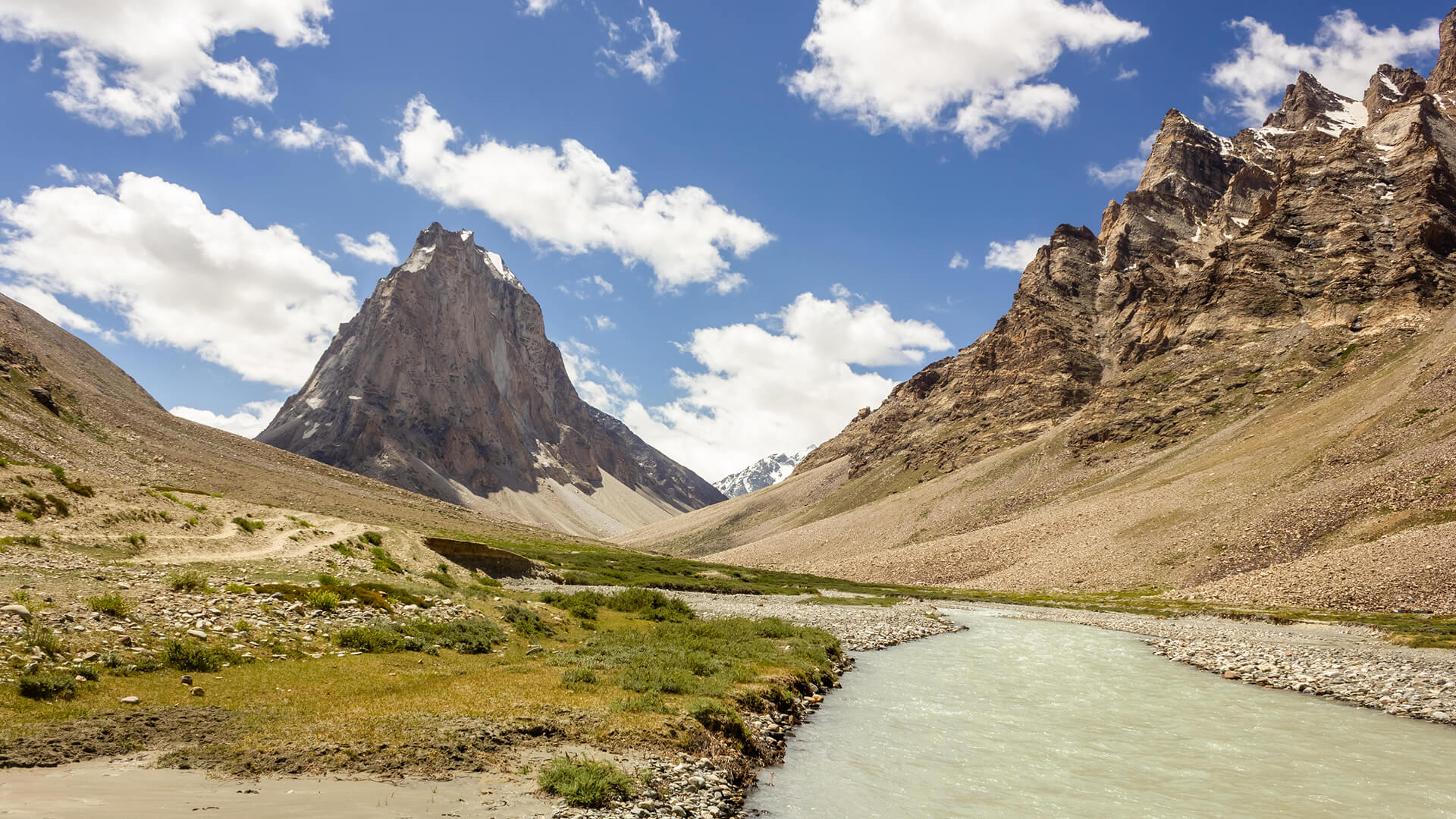
The Padum to Darcha trek covers ~115–120 km in 8–9 days, crossing Shingo La (~5,060 m) between Zanskar and Lahaul.
Rumtse to Tso Moriri Trek: Complete Ladakh Trail Guide
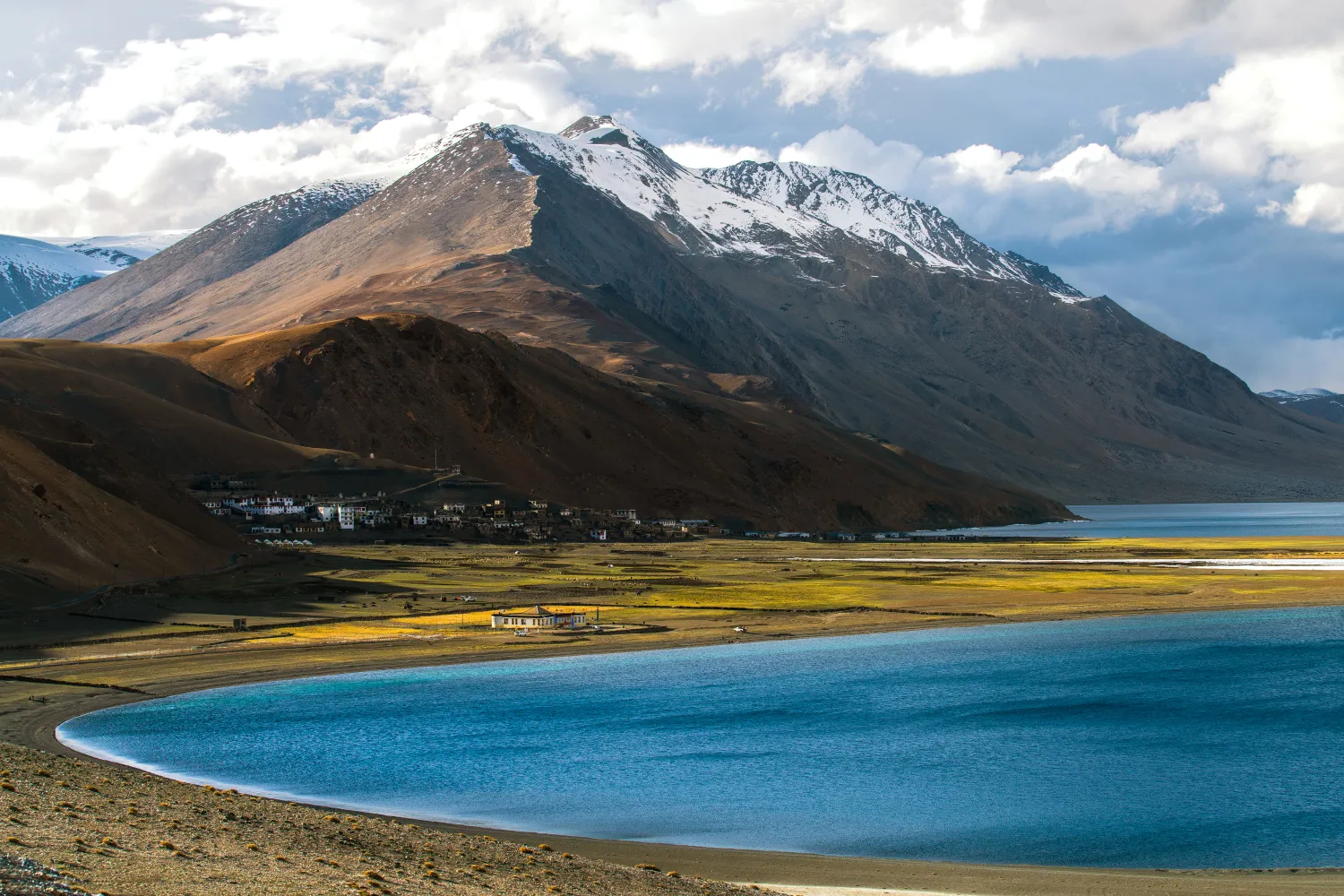
The Rumtse to Tso Moriri trek is an ~80 km, 7–8 day strenuous Ladakh trail crossing Kyamar La (~5,460 m) and Polokongka La (~5,190 m), ending at Tso Moriri Lake
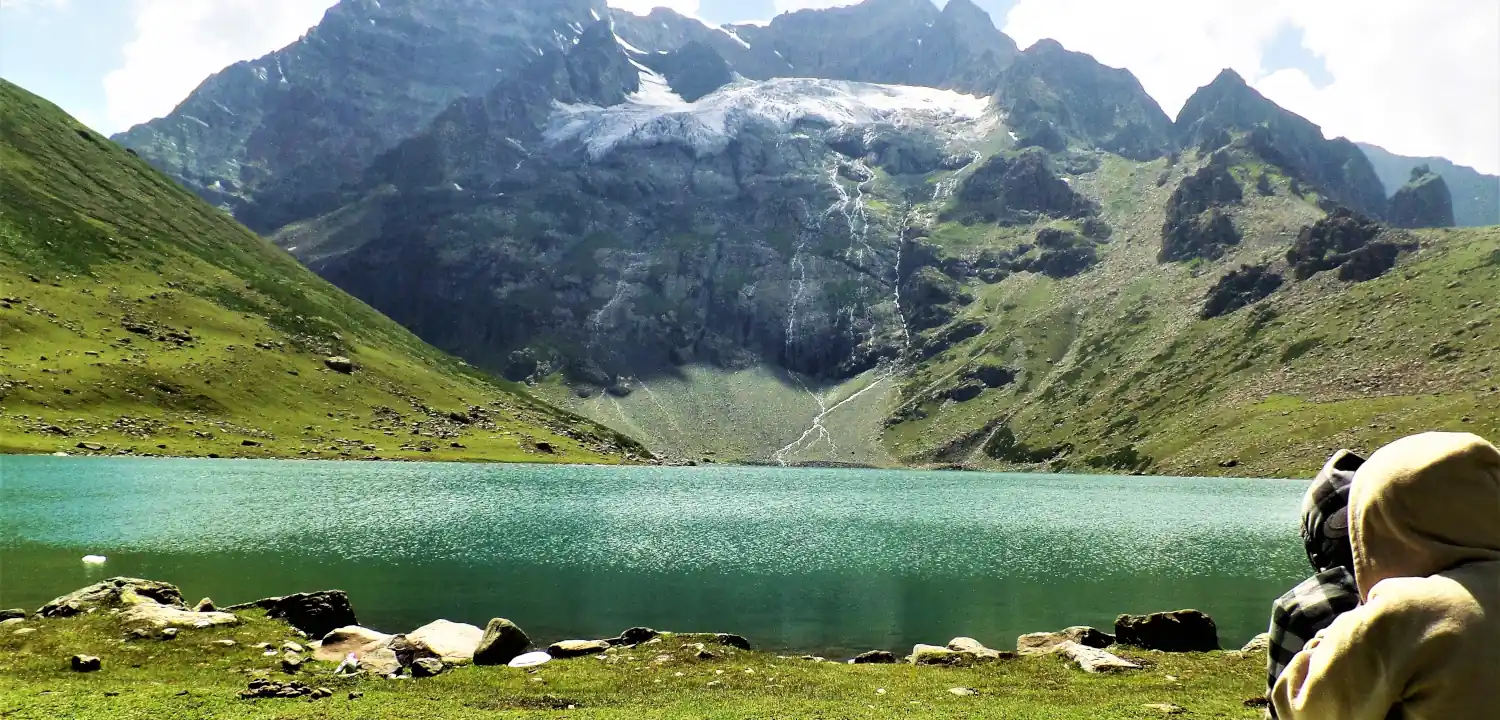
Naranag Gangabal Trek: Complete Guide (2026)
The Naranag Gangabal Trek is a 4–5 day moderate-difficult alpine trek in Kashmir, covering ~26–30 km from Naranag (2,150 m) to Gangabal Lake (3,570 m).
Common questions answered
Yes — Triund is one of the best introductory Himalayan treks in India. Its Easy-Moderate grading reflects a gradual, well-marked ascent with no technical sections. Tea stalls and rest points at Galu Devi Temple, Magic View Café, and the trail in between mean you're never far from a hot chai and a breather. That said, invest 3–4 weeks in basic cardio preparation (daily walks, stair climbing) to ensure you enjoy the experience rather than endure it.
Triund Trek — Latest News
‘Carry-back waste’ rule for Triund trekkers | Hindustan Times
Triund Trek now requires trekkers to carry all waste back down the mountain. Learn how this environmental policy affects your trek plans and what you need to do
Triund trek in Himachal Pradesh now has a ₹500 ‘carry-back waste’ rule: Trekkers must bring their plastic
Triund trek in Himachal Pradesh now has a ₹500 ‘carry-back waste’ rule: Trekkers must bring their plastic The Times of India
The trek to Triund will lead you to some stunning views
Triund Trek in Himachal Pradesh delivers spectacular Dhauladhar Range vistas. Learn what this renewed attention means for trekkers planning their mountain adven
Live Conditions
Real-time weather & trail status
Trail Conditions
Crowdsourced reports from trekkers who've done this route
Sign in to add a trip report
Find a Trek Buddy
Connect with trekkers planning the same route
No buddies yet for this trek
Sign in and be the first to post a planning signal.