
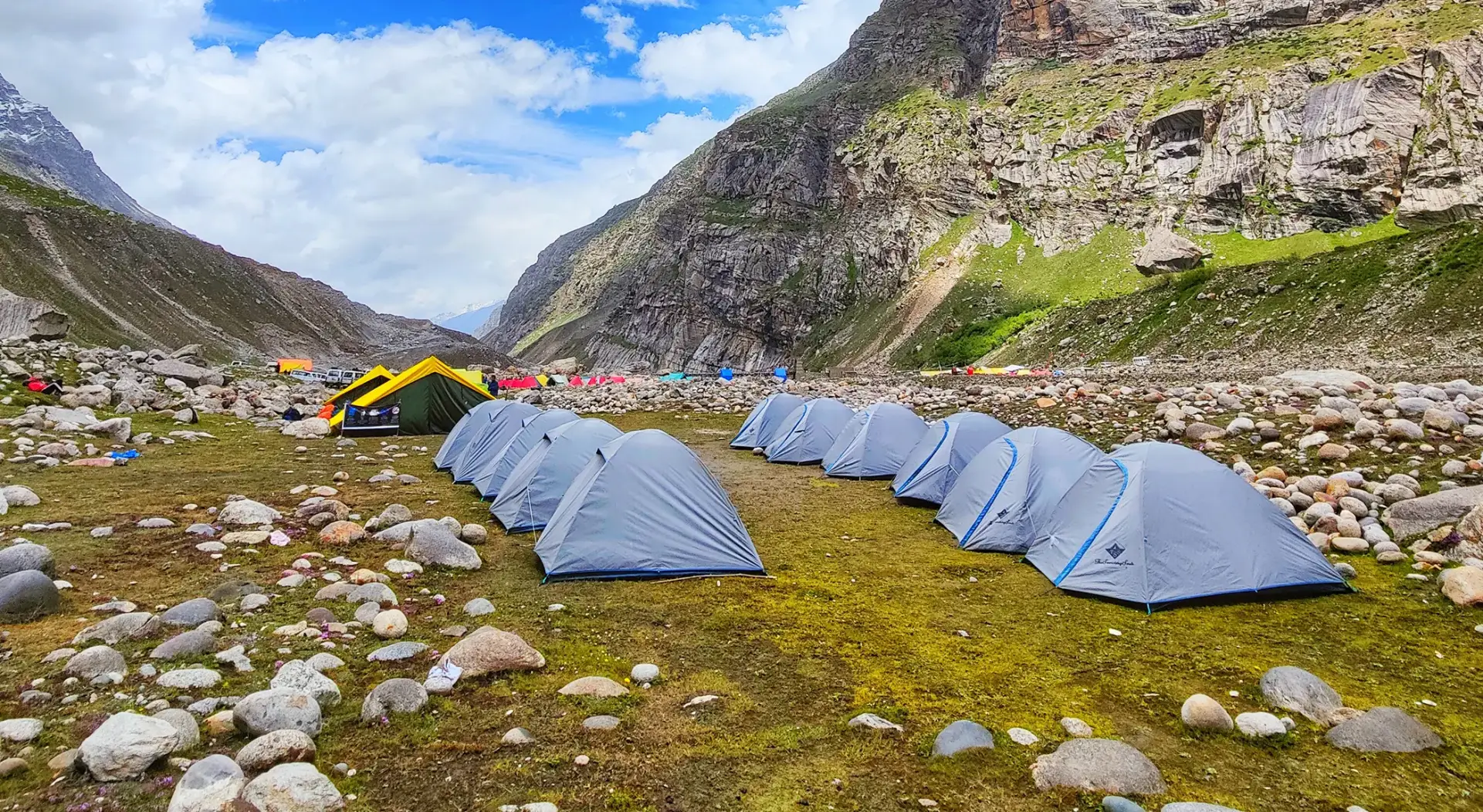
Why Hampta Pass Trek is on every trekker's list
Few treks in India deliver a landscape transformation as visceral as the Hampta Pass trek. In a single crossing you leave behind the emerald meadows and roaring streams of Kullu Valley and step into the silent, bone-dry moonscape of Spiti — two worlds separated by a 4,270 m (14,009 ft) notch in the Pir Panjal range. Covering approximately 35–38 km over five days from a base near Manali, it is one of the most celebrated crossover treks in Himachal Pradesh, and the 2026 trekking season (June–October) is shaping up to be a busy one. Whether you are a first-timer testing your Himalayan legs or a seasoned trekker chasing a classic route, this guide has everything you need.
Key stats at a glance
- Maximum altitude: 4,270 m (14,009 ft)
- Total distance: ~35–38 km (plus ~15 km if extending to Chandratal Lake)
- Duration: 5 days (6 days with Chandratal extension)
- Difficulty: Moderate
- Base town: Manali, Himachal Pradesh
The Hampta Pass trek for beginners holds a special place among Indian treks because it delivers genuine Himalayan drama without demanding technical climbing skills or prior high-altitude experience. Here is why it consistently tops recommendation lists:
1. The Green-to-Barren Contrast
No other short trek in Himachal Pradesh flips the scenery so completely. The Kullu side is textbook Himalayan beauty — pine forests, alpine meadows carpeted with wildflowers, and the turquoise Beas River threading through the valley. Cross the pass and the Spiti side greets you with a palette of rust, ochre, and grey — glaciated moraines, sparse scrub, and an eerie silence that feels otherworldly.
2. Easy Access from Manali
The trek starts from Jobra or Chika, both reachable from Manali in under two hours by road. Manali has excellent connectivity by bus and private taxi from Delhi, Chandigarh, and Shimla, making logistics straightforward even for independent trekkers.
3. Suitable for Beginners
The trail involves no fixed ropes, technical rock sections, or glacier crossings. Gradients are steady rather than severe, and daily trekking distances are manageable. With four weeks of basic fitness preparation, most healthy adults can complete the route.
4. The Chandratal Lake Extension
Finishing at Chatru puts you just ~65 km from the iconic Chandratal Lake (4,300 m), a crescent-shaped high-altitude lake in Lahaul & Spiti District that is on almost every Himalayan bucket list. Adding one day to visit Chandratal makes this one of the finest combined treks in northern India. See our Chandratal Lake Trek guide for details.
5. A Showcase of Himachal Pradesh's Diversity
In five days you traverse two distinct Himalayan ecosystems, cross a significant mountain pass, and camp at some of the most scenic sites in Himachal Pradesh's trekking circuit.
At a glance
Ask TrekSage about Hampta Pass Trek
Get instant answers grounded in verified trek data — beginner-friendliness, best months, permits, packing, and more.
The route at a glance
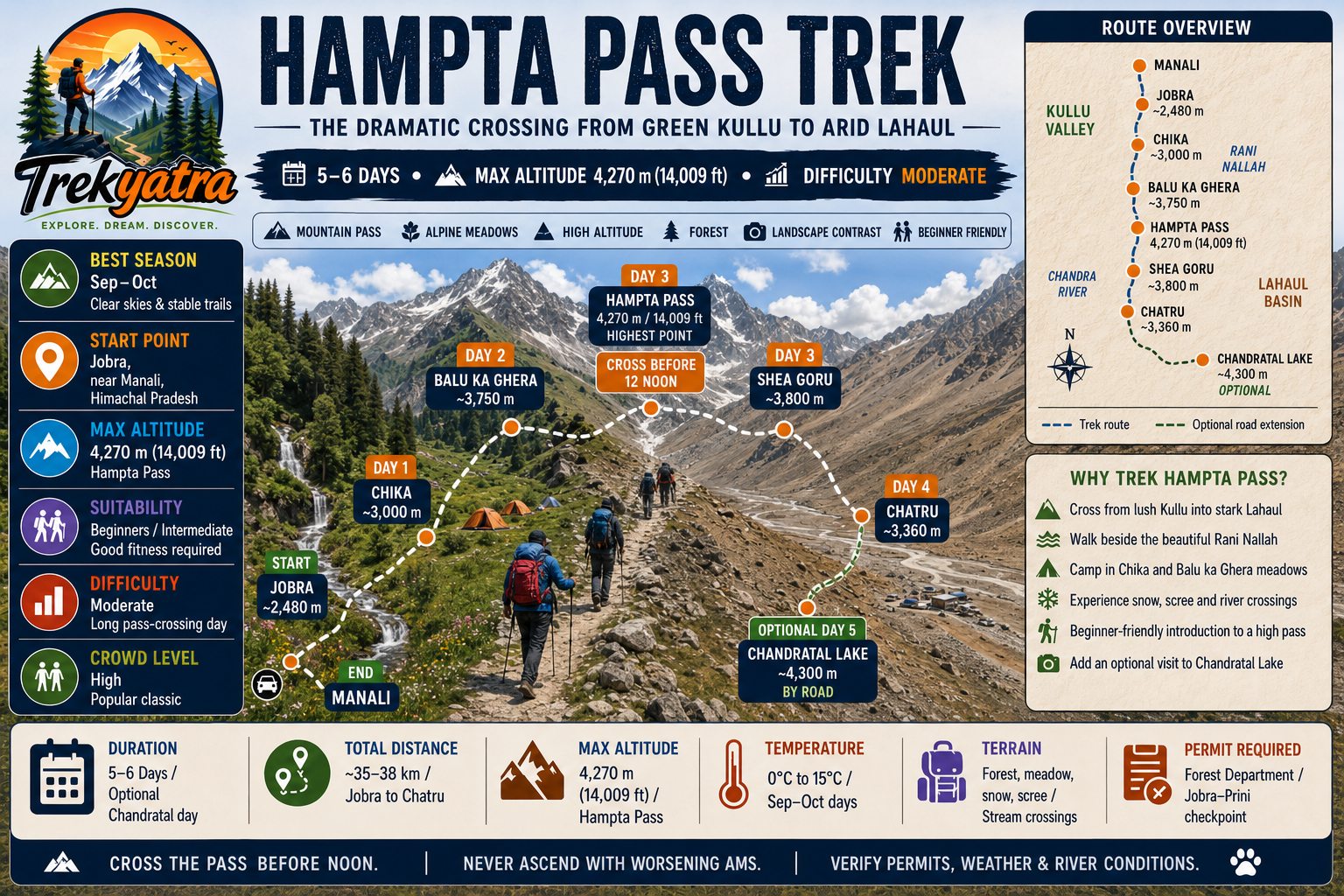
The Hampta Pass trek route runs northeast from the Kullu Valley into Lahaul & Spiti District. The standard trailhead is Jobra (sometimes spelled Jobra), a small clearing about 12 km from Manali near the village of Prini. Some operators begin the trek from Chika, a meadow campsite roughly 4 km beyond Jobra where the valley narrows.
Hampta Pass trek from Manali — full route:
Manali → Jobra (drive) → Chika → Balu ka Ghera → Siagoru → Hampta Pass (4,270 m) → Shea Goru → Chatru → (optional) Chandratal Lake → Manali
The trail follows the Rani Nallah stream on the ascent, crosses several side streams and boulder fields, and climbs steeply to the pass before descending into the Lahaul basin. The Hampta Pass trek distance of 35–38 km (one way, excluding the Chandratal extension) places roughly 7–10 km of walking per trekking day, well within moderate-trek norms.
Key landmarks along the Hampta Pass trek altitude profile include the lush camping meadow at Chika (3,000 m), the wide glacial basin at Balu ka Ghera (3,750 m), the technical scree approach to the pass itself, and the dramatic Spiti-facing descent to Shea Goru and Chatru.
Elevation Profile & Key Stats
| Point | Altitude | Cumulative Distance from Jobra |
|---|---|---|
| Jobra (trailhead) | ~2,480 m | 0 km |
| Chika (campsite) | ~3,000 m | ~4 km |
| Balu ka Ghera (campsite) | ~3,750 m | ~12 km |
| Siagoru (campsite) | ~3,900 m | ~18 km |
| Hampta Pass (highest point) | 4,270 m | ~21 km |
| Shea Goru (campsite) | ~3,800 m | ~27 km |
| Chatru (trek end) | ~3,360 m | ~35–38 km |
Total ascent (Jobra → Pass): ~1,790 m
Total descent (Pass → Chatru): ~910 m
⚠️ Altitude figures and distances are based on commonly reported values for this route. Exact numbers can vary by GPS device and trail variation.
Hampta Pass Trek Campsites
The Hampta Pass trek campsites are well established and used by organised groups throughout the season:
Chika (3,000 m)
A wide, grassy meadow where the valley pinches into a gorge. The Rani Nallah stream provides reliable fresh water. There is ample flat tent space, and clear-weather evenings offer views back toward Manali. Firewood is scarce above Chika — carry a camp stove.
Balu ka Ghera (3,750 m)
Literal translation: "sandy arena". A broad glacial basin ringed by snow peaks, this is the most popular campsite on the trek due to its dramatic setting. Water from glacial meltstreams; flow decreases by September. Nights are cold (often below 0°C by late September).
Siagoru (~3,900 m)
A transitional camp used by groups wanting to split the Balu ka Ghera–Pass–Shea Goru stretch across two days. Smaller site with limited space; first-come, first-served during peak season.
Shea Goru (~3,800 m)
First campsite on the Spiti side after crossing the pass. The landscape has already transformed — arid, rocky, and vast. The descent from the pass to Shea Goru can be steep and loose underfoot; trekking poles are strongly recommended.
Chatru (~3,360 m)
Trek's end point on the Manali–Kaza highway (Rohtang Pass road). There are basic dhabas serving hot food and tea — a welcome end to trail cooking. Motor transport back to Manali is available here.
What each day actually looks like
This Hampta Pass trek itinerary is structured over five days including a rest/extension day. Trekking hours are approximate and assume a moderate pace.
Day 1 — Manali to Jobra (drive) → Chika Camp | 3,000 m
- Drive time: ~1.5–2 hours Manali to Jobra
- Trek distance: ~4 km | Trekking time: ~2–3 hours
- Ascent: ~520 m
- The trail begins gently through pine and oak forest before opening into the Rani Nallah valley. This is a good warm-up day. Reach Chika by early afternoon to acclimatise and hydrate well.
Day 2 — Chika to Balu ka Ghera | 3,750 m
- Trek distance: ~8 km | Trekking time: ~5–6 hours
- Ascent: ~750 m
- The trail climbs steadily alongside the Rani Nallah, passing several stream crossings (can be thigh-deep in July). The valley widens dramatically near Balu ka Ghera. Expect snow patches from late June through July. Camp here and enjoy the ring of peaks — some trekkers spot bharal (blue sheep) on surrounding ridges.
Day 3 — Balu ka Ghera to Shea Goru (via Hampta Pass, 4,270 m) | ~3,800 m
- Trek distance: ~15 km | Trekking time: ~8–9 hours (longest day)
- Ascent: ~520 m to pass | Descent: ~470 m to Shea Goru
- The summit push begins on scree and snow — start no later than 6 AM to avoid afternoon weather deterioration. The pass itself is narrow and exposed; spend minimal time at the top before the descent. The Spiti side is steep and loose for the first 2 km. This is the most demanding day physically and meteorologically. Siagoru can be used as a midpoint break camp if the group is slower.
Day 4 — Shea Goru to Chatru | ~3,360 m
- Trek distance: ~8–10 km | Trekking time: ~4–5 hours
- Descent: ~440 m net
- A relatively relaxed day through the Lahaul flats. The trail passes boulder fields and dried river channels. Chatru sits at the junction of the Chandra River and the Manali–Kaza highway. Celebrate with hot chai at a local dhaba.
Day 5 — Optional: Chatru to Chandratal Lake excursion, then drive to Manali
- Chandratal distance from Chatru: ~65 km by road (approx 2.5 hours)
- Visit the crescent-shaped Chandratal Lake (4,300 m) — one of the most photographed lakes in the Indian Himalayas
- Return drive Chatru → Manali: ~2.5–3 hours via Rohtang Pass
- See our dedicated Hampta Pass Chandratal Lake trek extension guide for overnight camping options at Chandratal
⚠️ Day-wise distances and trekking hours are estimates derived from widely reported trek data. Actual timings vary by fitness level, weather, and trail conditions.
When to go
Understanding Hampta Pass trek weather patterns is critical for planning a safe and enjoyable trip in 2026.
June – Early July: Snow & Bloom
The pass opens typically in mid-June (weather permitting). Snow patches persist on the approach and the pass itself, adding drama but also requiring careful footing. The Kullu side is explosively green with wildflowers. Rivers run fast and high from snowmelt — stream crossings require caution. This window suits trekkers who want a snow experience without full winter conditions.
Late July – August: Monsoon Caution
The Southwest Monsoon brings heavy rain to the Kullu side (Chika and Balu ka Ghera), making trails muddy and river crossings risky. However, the Spiti side (beyond the pass) remains largely dry — a quirk of the rain shadow. The Hampta Pass trek best time discussion for August comes down to risk tolerance: experienced trekkers who don't mind wet trail conditions on the ascent can still have a rewarding experience, but the potential for flash floods and landslides on the approach road from Manali is real. We advise caution and up-to-date weather checks.
September – October: Prime Season
This is the sweet spot. Monsoon retreats by mid-September, skies clear, temperatures are crisp but manageable (0°C to 15°C during the day), and trails are stable. Visibility from the pass is at its best. September–October is the recommended window for most trekkers in the 2026 season.
November – May: Closed
Hampta Pass is closed due to deep snow accumulation. Even the lower trail below Chika may be impassable from December onwards. Do not attempt the trek outside the June–October window without professional high-altitude mountaineering support.
Is this trek right for you?
Difficulty rating: Moderate
The Hampta Pass trek difficulty is rated moderate — a step above easy village walks but well below technical alpine climbs. There is no glacier travel, fixed-rope ascending, or rock climbing. The challenges are cumulative altitude gain, the long Day 3, and potential river crossings in early season.
Who can do it:
- Trekkers aged 14–60 with good baseline fitness
- No prior Himalayan trekking experience required — this is among the best beginner treks in India
- Not recommended for those with recent cardiac, respiratory, or severe knee issues without medical clearance
Fitness preparation (4-week plan):
1. Cardio: 30–40 minutes of brisk walking, jogging, or cycling daily
2. Stair climbing: 15–20 floors daily with a 5–7 kg daypack — the single most useful prep for Himalayan trekking
3. Core & leg strength: Squats, lunges, and plank variations three times per week
4. Weekend hikes: At least two full-day hikes (6–8 hours) in the four weeks before departure
Altitude acclimatisation:
Arrive in Manali at least one full day before the trek begins. Avoid alcohol and heavy meals on arrival night. Hydrate aggressively (3–4 litres of water daily on trek). Ascend slowly on Day 3 and never push through severe headache, nausea, or disorientation — these are AMS warning signs (see Safety Tips).
What permits you need
The Hampta Pass trek permits situation in 2026 is straightforward for Indian nationals but has specific requirements for foreign trekkers.
Himachal Pradesh Forest Department Permit
A forest permit is required to trek through the protected forest zone on the Kullu side of the route. This is issued by the Himachal Pradesh Forest Department office in Manali.
- Cost (2026 estimate): ₹150–₹200 per person per day
- Duration: Typically issued for the full trek duration (4–5 days)
- Estimated total permit cost per person: ~₹700–₹1,000
- Where to obtain: Forest Department checkpoint near Jobra/Prini area, or through a registered trek operator in Manali who can arrange it on your behalf
- Documents required: Government-issued photo ID (Aadhaar card, passport, or voter ID)
Inner Line Permit (ILP):
Indian nationals do not require an Inner Line Permit for the Hampta Pass trek. The route ends at Chatru in Lahaul & Spiti, which is an ILP-regulated district, but the trek itself does not require trekkers to cross into restricted ILP zones for the standard itinerary.
⚠️ If you plan to continue deeper into Spiti Valley beyond Chatru/Chandratal, ILP rules apply — check current regulations at the SDM Office Manali before departure.
Foreign Nationals:
Foreigners must register at the Sub-Divisional Magistrate (SDM) Office in Manali before undertaking the trek. Carry your passport and a copy of your Indian visa. Registration is free but mandatory.
⚠️ Permit fees listed are estimates based on recently reported rates. 2026 fee revisions by the Himachal Pradesh Forest Department had not been officially confirmed. Always confirm current rates at the Forest Department office on arrival in Manali.
What this trek will cost you
Here is a realistic Hampta Pass trek cost breakdown for the 2026 season in Indian Rupees:
DIY (Independent) Cost Breakdown
| Item | Estimated Cost (INR) |
|---|---|
| Transport: Manali → Jobra (shared taxi/cab) | ₹300–₹500 per person |
| Transport: Chatru → Manali (shared vehicle) | ₹500–₹1,000 per person |
| Forest permit (5 days @ ₹150–200/day) | ₹750–₹1,000 |
| Camping gear rental (tent, sleeping bag, mat) | ₹400–₹600/day |
| Food (self-cooked or dhabas at start/end) | ₹350–₹500/day |
| Local guide (strongly recommended) | ₹700–₹900/day |
| Miscellaneous (snacks, sunscreen, meds) | ₹500–₹800 total |
| DIY Total Estimate (5 days, per person) | ₹6,000–₹10,000 |
Organised Package Cost
| Package Type | Price Range (per person) |
|---|---|
| Budget group package (8–12 people) | ₹8,000–₹10,000 |
| Standard package (4–8 people) | ₹10,000–₹13,000 |
| Premium/small group package | ₹13,000–₹15,000 |
Typically included in packages: Transport (Manali–Jobra–Chatru–Manali), permits, experienced trek leader, camping equipment (tent, sleeping bag, mat), all meals on trek, first aid kit, porter support.
DIY vs. Package — Pros & Cons:
DIY is better if you have prior trekking experience, want full schedule flexibility, already own gear, and are comfortable navigating with a local guide.
Organised package is better if it is your first Himalayan trek, you prefer not to handle logistics, or you want the safety net of a professional leader who can manage AMS situations and weather calls.
⚠️ Cost estimates are based on prevailing 2025–2026 market rates as reported by Manali-based operators. Actual prices vary by operator and season — verify directly before booking.
What to pack
A well-curated Hampta Pass trek packing list is your safety net at altitude. Pack light, but never compromise on the essentials.
Clothing & Layering Guide
The mountain layering system is non-negotiable above 3,500 m:
Base Layer (moisture-wicking):
- Merino wool or synthetic full-sleeve thermal top (2 sets)
- Lightweight thermal leggings (1–2 sets)
- Moisture-wicking trekking socks (4–5 pairs; wool-blend preferred)
Mid Layer (insulation):
- Fleece jacket or down vest (250g–350g fill weight for September–October)
- Lightweight fleece or softshell trousers
Outer Layer (protection):
- Waterproof, breathable hardshell jacket (mandatory — afternoon thunderstorms are common on the pass)
- Waterproof over-trousers
- Wide-brim sun hat + warm beanie
- UV-blocking sunglasses (Category 3 or 4 — glare off snow and scree is intense)
- Lightweight liner gloves + warm outer mitts
💡 Affiliate slot: We recommend exploring waterproof hardshells and trekking boots from brands stocked by our gear partners — see our best trekking boots India guide and full Himalayas packing list for reviewed options.
Essential Gear Checklist
- Trekking boots (ankle-support, waterproof — broken in before the trek)
- Trekking poles (collapsible, 2 x — critical for scree descent from pass)
- Sleeping bag (rated to -10°C minimum)
- Tent (if DIY; check waterproofing before departure)
- Backpack (45–55 L with rain cover)
- Daypack or summit pack (20–25 L for Day 3 push)
- Headlamp + spare batteries
- Gaiters (especially useful June–July for snow and stream mud)
- Water bottles or hydration bladder (minimum 2 litres capacity)
- Water purification tablets or filter straw
- High-altitude sunscreen SPF 50+ (reapply every 2 hours)
- Lip balm with SPF
- Trekking towel (quick-dry)
- Basic first aid kit (see Safety Tips)
- Trekking snacks (energy bars, dry fruit, nuts — 3,500–4,000 calories/day at altitude)
- Government-issued ID (original + photocopy)
- Printed/digital trek permit
- Emergency contact list (operator SOS, hospital, family)
- Power bank (no charging facilities on trail)
- Trekking map or downloaded offline GPS route (e.g., Maps.me)
Staying safe on the mountain
The Hampta Pass trek is moderate, but high-altitude trekking carries inherent risks. Know them before you go.
Acute Mountain Sickness (AMS)
AMS can affect anyone above 2,500 m regardless of age or fitness. Watch for:
- Persistent headache not relieved by paracetamol
- Nausea or vomiting
- Dizziness, loss of coordination
- Shortness of breath at rest
- Insomnia combined with the above
Response: Do not ascend further. Descend at least 500 m immediately if symptoms worsen. Carry a DIAMOX prescription (consult your doctor pre-trek); do not take it as a prevention measure without medical advice. If in doubt, descend — altitude problems do not improve by resting at the same height.
Afternoon Thunderstorms
The pass is fully exposed to rapidly developing afternoon storms, particularly in July–August. Always aim to summit (cross the pass) before 12 noon. If caught in lightning, move off high ground, avoid lone trees and ridgelines, and crouch low on insulated material (your sleeping pad).
River Crossings (July–August)
The Rani Nallah and its tributaries run dangerously fast during peak snowmelt and monsoon. Unbuckle your backpack waist belt before crossing (to allow you to shed the pack if you fall). Use trekking poles for balance. Cross only at designated points — never attempt unmarked crossings alone. If a crossing looks unsafe to your guide, trust that judgement.
Weather Monitoring
Check the India Meteorological Department (IMD) Himachal Pradesh forecast for Manali and Lahaul before and during your trek. Your trek operator should receive local weather updates.
Emergency Contacts & Nearest Hospital
- Manali District Hospital: Located in Manali town (~55 km from Chatru by road via Rohtang). This is the nearest facility with doctor-level care.
- Himachal Pradesh Police Emergency: 112
- HRTC Manali (road rescue coordination): Contact via your operator
- Your trek operator SOS number: Confirm this before departure — every reputable operator provides one
- Travel insurance: Non-negotiable for high-altitude trekking. Ensure your policy covers emergency helicopter evacuation above 4,000 m.
⚠️ Hospital distance from Chatru (~55 km) is an estimate based on road route via Rohtang. Actual road distances and hospital capabilities are subject to change. Always confirm local emergency protocols with your operator.
Similar treks to explore
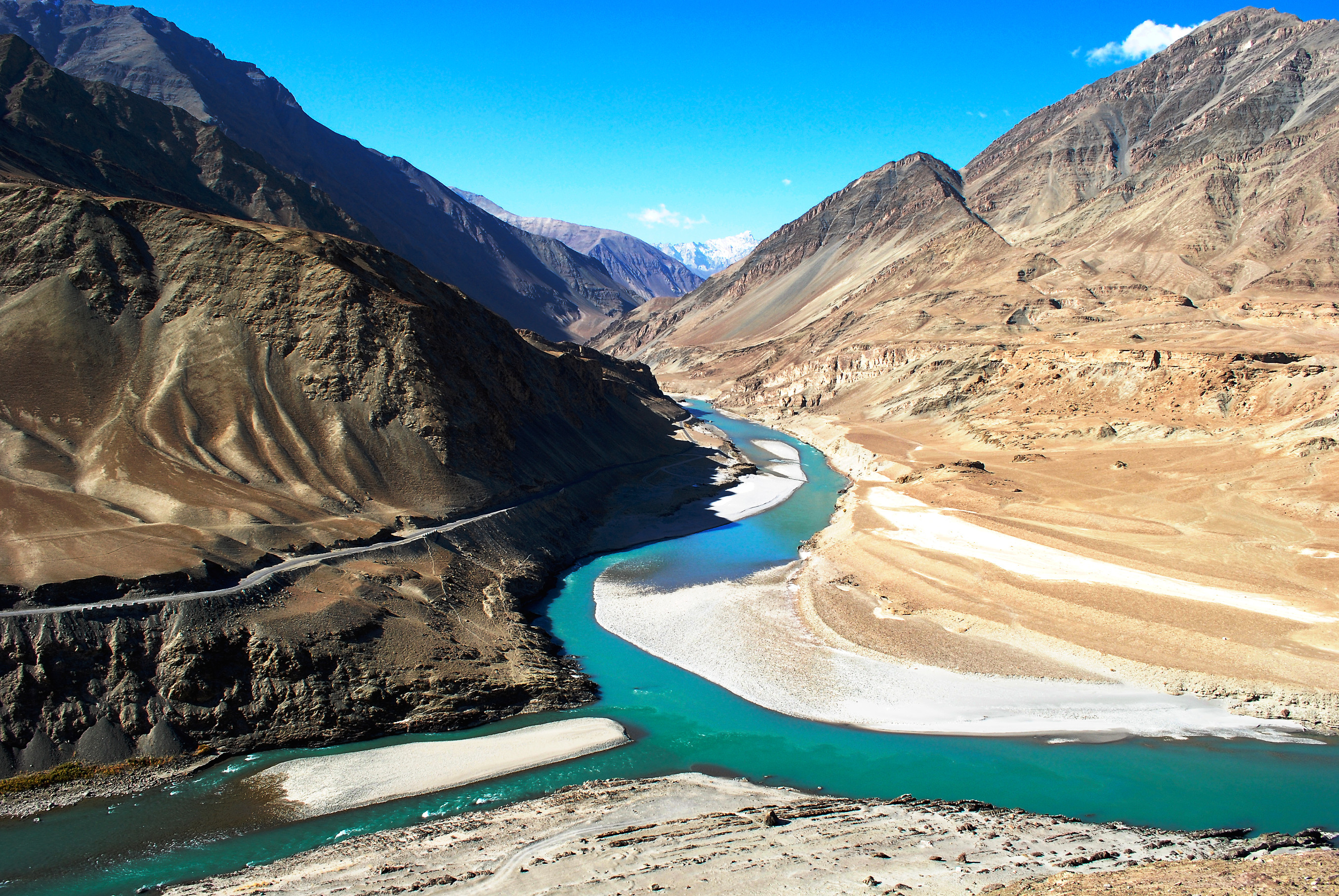
Snow Leopard Trek Hemis: The Ultimate 2026 Guide
The snow leopard trek in Hemis National Park, Ladakh, offers the world's best chance of spotting a wild snow leopard, with 70–80% guided sighting success rates
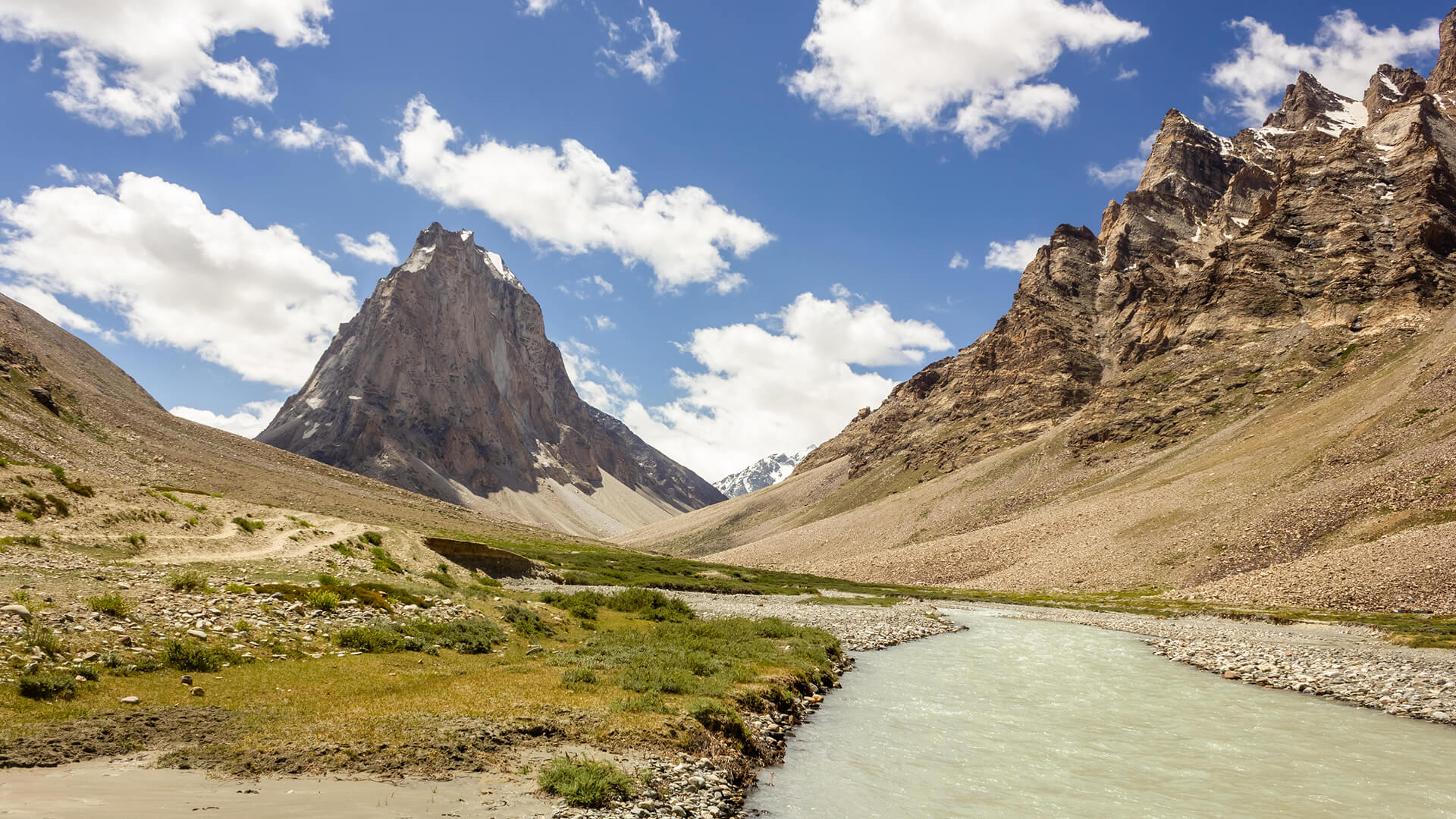
Padum to Darcha Trek: Complete High-Altitude Route Guide
The Padum to Darcha trek covers ~115–120 km in 8–9 days, crossing Shingo La (~5,060 m) between Zanskar and Lahaul.
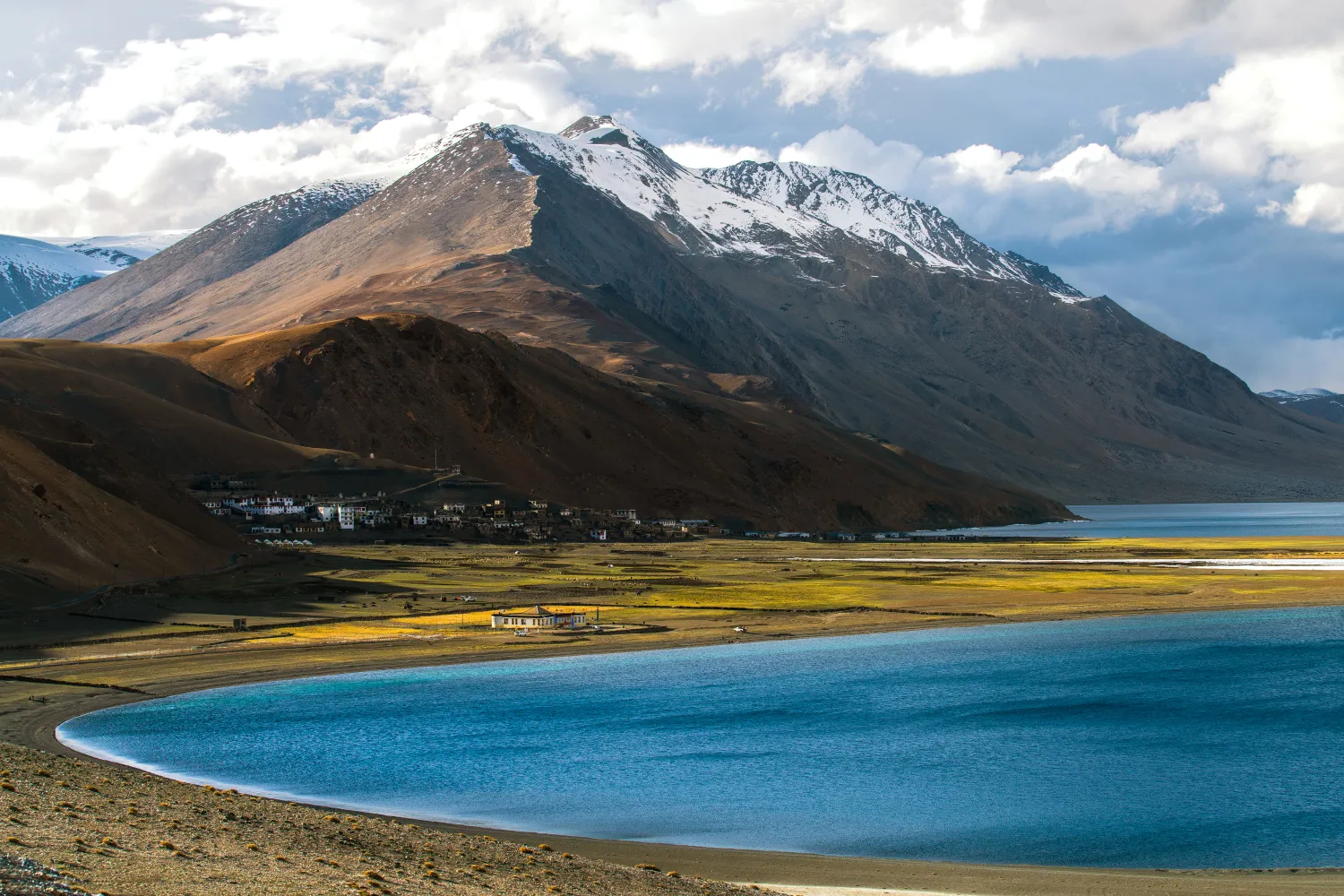
Rumtse to Tso Moriri Trek: Complete Ladakh Trail Guide
The Rumtse to Tso Moriri trek is an ~80 km, 7–8 day strenuous Ladakh trail crossing Kyamar La (~5,460 m) and Polokongka La (~5,190 m), ending at Tso Moriri Lake
Common questions answered
Yes. The Hampta Pass trek is rated moderate and is consistently recommended as one of the best crossover treks in Himachal Pradesh for first-timers. You do not need prior Himalayan experience or technical climbing skills. The key requirement is basic cardiovascular fitness — four weeks of regular cardio, stair climbing, and a couple of day hikes will prepare most healthy adults adequately. The gradients are steady, the trail is well-marked, and the daily distances are manageable. Trekking with an organised group or hiring a local guide adds a helpful safety net for those doing this for the first time.
Hampta Pass Trek — Latest News
Monsoon Conditions Persist Across the Himalayas | Rain and Thunderstorms Affect Higher Slopes | Trekking Teams Continue to Progress Safely | Trek News
Persistent monsoon rains and thunderstorms impact higher slopes of Hampta Pass Trek. Trekking teams progress safely with enhanced protocols. Plan accordingly.
Test of endurance for trekkers at Hampta Pass in Himalayas
Hampta Pass Trek demands serious fitness and high-altitude experience. Learn why this 4,270m route challenges trekkers and how to prepare properly.
Pleasant Mountain Weather Prevails Across Trekking Slopes | Sunny Skies and Stable Conditions Continue Across Most Routes | Trek News
Excellent weather conditions prevail on Hampta Pass Trek with sunny skies and stable atmospheric patterns. Ideal trekking window for Himachal Pradesh mountain a
Live Conditions
Real-time weather & trail status
Trail Conditions
Crowdsourced reports from trekkers who've done this route
Sign in to add a trip report
Find a Trek Buddy
Connect with trekkers planning the same route
No buddies yet for this trek
Sign in and be the first to post a planning signal.