
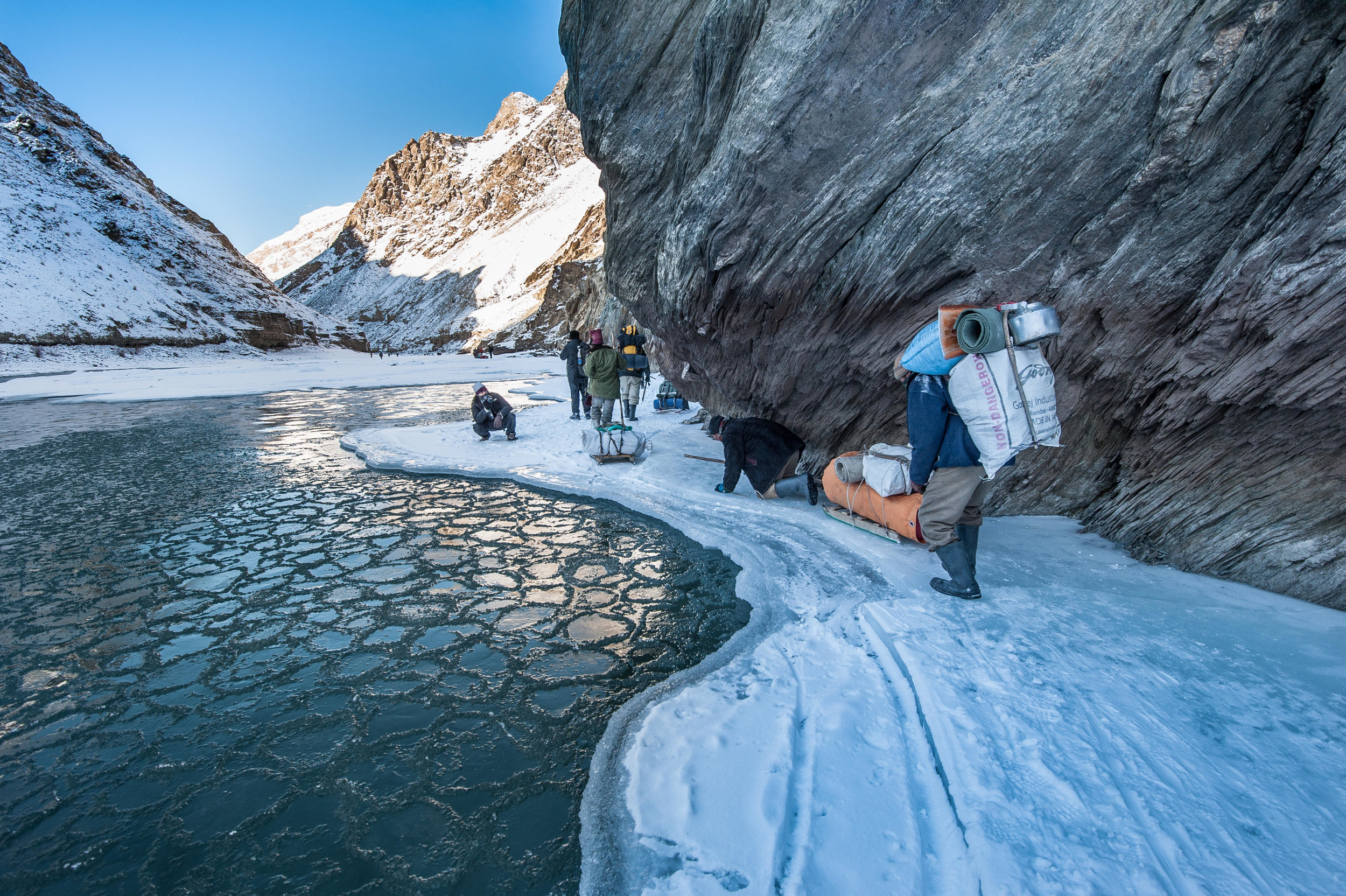
Why Chadar Trek 2026 is on every trekker's list
The Chadar Trek is a 10-day winter expedition on the frozen Zanskar River in Ladakh, operating mid-January to mid-February, graded Difficult to Strenuous, and costing ₹25,000–₹45,000 per person.
Imagine stepping onto a river — not beside it, not across a bridge over it, but on it — as it lies locked solid beneath your boots at -30°C. The Chadar Trek is exactly that: a 10-day winter expedition across the frozen Zanskar River in Ladakh, cutting through one of the deepest gorges in the Himalayas. Few experiences in adventure travel compare to the primal thrill of hearing ice creak underfoot, watching frozen waterfalls glow amber at sunrise, and sheltering in riverside caves that Zanskari villagers have used for centuries. This guide covers everything you need to plan your Chadar Trek — from permits and costs to packing lists, safety protocols, and the best operators for the 2026 season.
The Chadar Trek is not merely a walk in the cold. It is one of the world's most extreme short treks, operating for a ruthlessly narrow window each January and February when the Zanskar River freezes sufficiently to hold a person's weight. That exclusivity alone sets it apart — no other major Indian trek is so utterly dictated by the whims of winter.
The drama begins the moment you descend from Chilling village to the riverbed. The Zanskar Gorge towers 300–600 metres above you on both sides, sheer limestone walls streaked with ice. The frozen river — the chadar (Urdu/Hindi for "sheet" or "blanket") — stretches ahead in hues of turquoise, grey, and white, occasionally interrupted by open leads of black water that demand split-second route changes.
Beyond the physical spectacle, the trek carries deep cultural weight. For Zanskari communities, the frozen river has historically been the only winter corridor connecting Zanskar Valley to Leh — a 105-km lifeline for supplies, medical access, and trade. Walking the chadar is, in part, walking the history of one of Ladakh's most isolated communities. You may pass Zanskari families with livestock still using the route, a reminder that for them this is not adventure tourism — it is survival geography.
Three vivid moments define the trek for most who complete it: the first night sleeping in a limestone cave at Tibb, surrounded by absolute silence broken only by the distant percussion of shifting ice; standing before the frozen Nerak Waterfall — a 20-metre column of blue ice suspended mid-cascade; and the triumphant return walk to Chilling when the gorge walls catch the low February sun and the river glows like hammered bronze.
At a glance
Ask TrekSage about Chadar Trek 2026
Get instant answers grounded in verified trek data — beginner-friendliness, best months, permits, packing, and more.
The route at a glance
The chadar trek route runs along the frozen Zanskar River from Chilling (approximately 3,340 m) upstream to Nerak village (approximately 3,800 m) and back, covering roughly 105 km round trip. The route is entirely on river ice — there is no alternative trail. This is what makes the chadar trek route unique and simultaneously dangerous: the path changes daily as ice conditions shift.
The frozen Zanskar River trek follows these key waypoints in sequence:
- Chilling — Trek start/finish, road-accessible from Leh
- Tilat Sumdo — First major confluence point, approximately 8 km from Chilling
- Tibb Cave — Classic cave camp, approximately 23 km from Chilling
- Nyrak Village — Small Zanskari settlement, approximately 30 km from Chilling
- Nerak Waterfall & Village — Turnaround point, approximately 52 km from Chilling
A chadar trek route map showing waypoints and camp locations is strongly recommended — obtain one from your operator or the DC Office in Leh. Note that GPS coordinates shift in usefulness here; the river ice alters which sections are traversable each season.
Elevation Profile and Key Waypoints
Despite the trek's fearsome reputation, the elevation gain is moderate — the gorge is deep but the river gradient is gentle. What makes the Chadar extreme is not altitude but cold and terrain underfoot.
| Waypoint | Approximate Elevation | Notes |
|---|---|---|
| Chilling | 3,340 m | Trek start; road head |
| Tilat Sumdo | ~3,400 m | Confluence camp |
| Tibb Cave | ~3,500 m | Classic cave shelter |
| Nyrak Village | ~3,600 m | Zanskari settlement |
| Nerak Waterfall | ~3,800 m | Turnaround; frozen cascade |
Because the elevation range sits between 3,340 m and 3,800 m — manageable for most trekkers who have acclimatised in Leh — Acute Mountain Sickness (AMS) risk is lower than on treks like Stok Kangri. The primary hazards are hypothermia, frostbite, and ice instability.
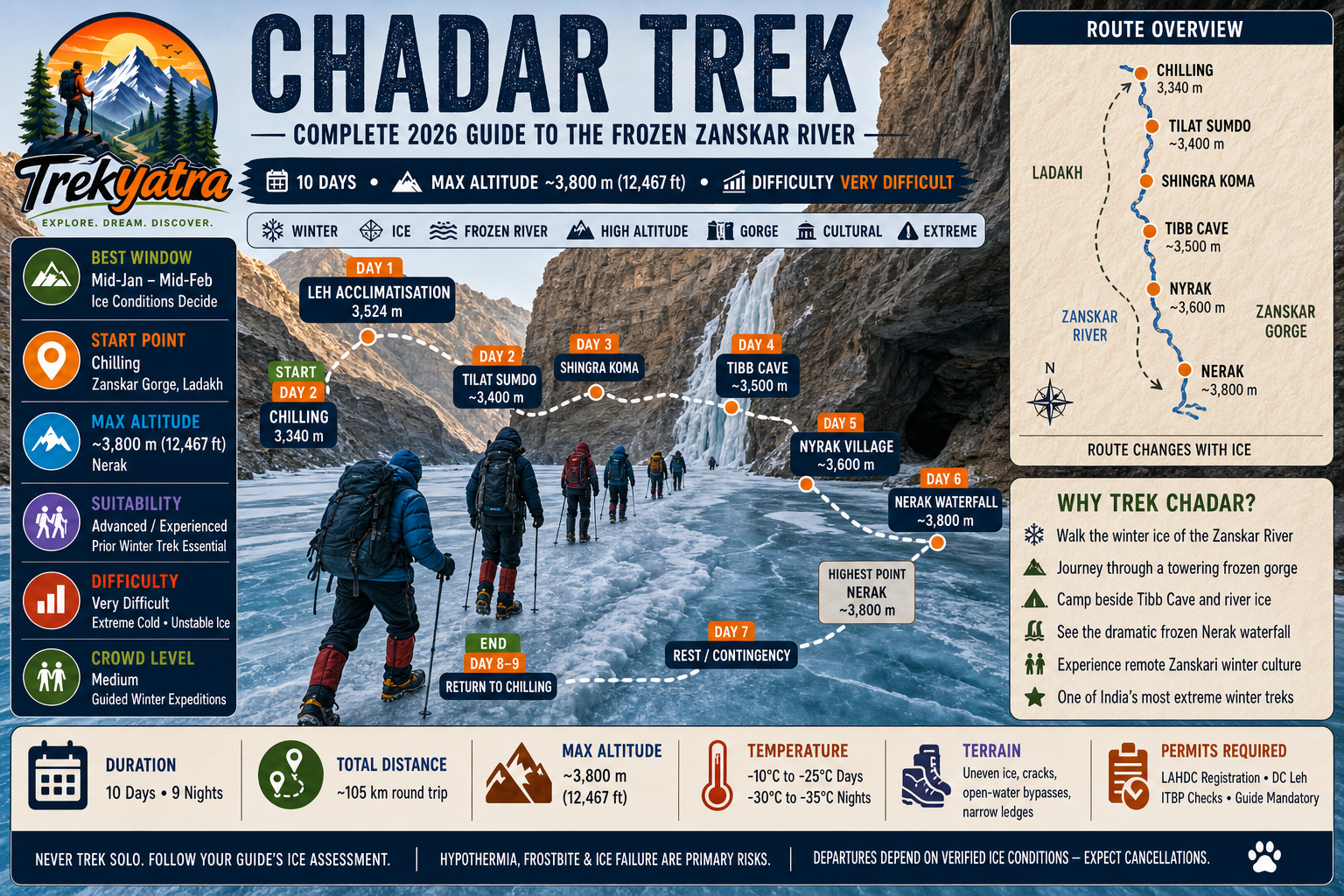
What each day actually looks like
Below is a full 9-night / 10-day Chadar Trek itinerary starting and ending in Leh, which is the standard format used by most operators in the 2026 season. A contingency day (Day 10 or within Days 3–6) is built into most packages to account for ice conditions.
Day 1: Arrive Leh (3,524 m) — Acclimatisation
Rest and hydrate. Avoid exertion. Attend a pre-trek briefing with your operator. Explore Leh Market for any last-minute gear. Sleep at hotel.
Day 2: Leh → Chilling Drive → Trek Begins (3,340 m)
Drive approximately 2.5–3 hours from Leh to Chilling village via Nimmu. Descend to the riverbed. Trek 4–6 km on the chadar to reach the first campsite at Tilat Sumdo. Camp: tents or caves.
Day 3: Tilat Sumdo → Beyond Shingra Koma (~8–10 km)
First full day on the frozen river. Expect sections of rough ice, open water bypasses on narrow ledges, and dramatic gorge walls. Camp: tents.
Day 4: Shingra Koma → Tibb Cave (~10–12 km)
Reach the iconic Tibb Cave — a shallow limestone overhang that shelters up to 30 trekkers. Campfire dinner against cave walls. Camp: caves/tents.
Day 5: Tibb Cave → Nyrak Village (~10–12 km)
Pass through the inhabited Zanskari settlement of Nyrak. Opportunities to observe local winter life. Camp: tents near village.
Day 6: Nyrak → Nerak Waterfall & Village (~10–12 km)
Culminating push to Nerak. Stand before the frozen 20-metre waterfall. Explore Nerak village. Camp: tents.
Day 7: Nerak — Rest / Explore / Contingency Day
This day serves as a buffer for bad ice, rest, or exploration of the upper gorge area. Camp: tents at Nerak.
Day 8: Nerak → Tibb Cave (Return, ~20–22 km)
Longer return day as teams move faster on familiar ice. Camp: caves/tents.
Day 9: Tibb Cave → Chilling (~20–23 km)
Final push back to Chilling. Ascent from riverbed to road head. Vehicle waiting. Drive to Leh. Hotel stay.
Day 10: Leh — Depart
Free morning. Departure transfers.
Sample Daily Distance and Camp Breakdown
| Day | Route | Distance | Camp Type |
|---|---|---|---|
| 1 | Leh (rest) | — | Hotel |
| 2 | Leh → Chilling → Tilat Sumdo | 4–6 km trek | Tent/Cave |
| 3 | Tilat Sumdo → Shingra Koma | 8–10 km | Tent |
| 4 | Shingra Koma → Tibb Cave | 10–12 km | Cave/Tent |
| 5 | Tibb Cave → Nyrak | 10–12 km | Tent |
| 6 | Nyrak → Nerak | 10–12 km | Tent |
| 7 | Nerak (contingency/rest) | 0–5 km | Tent |
| 8 | Nerak → Tibb Cave | 20–22 km | Cave/Tent |
| 9 | Tibb Cave → Chilling → Leh | 20–23 km + drive | Hotel |
| 10 | Leh (depart) | — | — |
When to go
The Chadar Trek operates in a strictly defined window: mid-January to mid-February. Outside these six weeks, the frozen Zanskar River is either not stable enough to walk on (December, early January, March) or has begun to thaw (late February onward).
Month-by-month breakdown:
- December / Early January: Ice forming but dangerously thin and unpredictable. Trek not operational.
- January 15 – February 15 (peak window): Prime chadar conditions. River solidly frozen. Most operators run batches in this period. Early February is widely considered the sweet spot.
- Late February / March: Ice begins breaking up. Trek increasingly dangerous and frequently cancelled.
Chadar Trek weather conditions in 2026 season: Daytime temperatures range from -10°C to -25°C; nights plunge to -30°C to -35°C on the riverbed. Wind chill can push effective temperatures even lower. These are not figures for casual winter walkers — they demand purpose-built gear.
⚠️ Climate change advisory: Recent seasons (2023, 2024, 2025) have seen reduced snowfall and warmer-than-average winters in Ladakh, leading to thinner ice and partial cancellations. The 2026 season's ice conditions should be monitored through your operator from November onwards. Do not book non-refundable flights until ice reports from Leh confirm the chadar is forming. See our Ladakh winter travel tips for updated seasonal advisories.
Choosing the right operator significantly affects your safety margin and experience quality. Below are reputable chadar trek operators India regularly running the 2026 season:
1. Indiahikes
- India's largest organised trekking company; strong safety SOPs
- Group size: 10–15; well-structured pre-trek medical screening
- Price range: ₹35,000–₹42,000
- Known for: Detailed briefings, certified guides, structured itinerary
2. Trek The Himalayas
- Experienced Ladakh-specialist operator; good local guide network
- Price range: ₹28,000–₹38,000
- Known for: Flexible group sizes, value-for-money packages
3. Bikat Adventures
- Growing national operator with strong safety record
- Price range: ₹30,000–₹40,000
- Known for: Small group focus, detailed gear guidance pre-trek
4. Thrillophilia
- Aggregator platform listing multiple Chadar Trek packages
- Price range: ₹25,000–₹45,000 (varies by listed operator)
- Known for: Wide price range; always verify the underlying operator's credentials
5. Local Leh-Based Operators
- Several Ladakhi-owned operators run excellent trips with deep local knowledge
- Often 15–25% cheaper than national brands
- Due diligence required: verify guide certification, emergency equipment, and LAHDC registration
- Ask for references from previous seasons
TrekYatra disclosure: We may have affiliate relationships with some of the operators listed above. Our recommendations are based on safety record, trekker reviews, and on-ground experience — not commercial agreements. Always verify current pricing and availability directly with operators. See our full guide to best trekking operators in India.
Is this trek right for you?
The Chadar Trek is graded Difficult to Strenuous. Do not let the modest elevation range mislead you — this trek earns its grade through relentless cold, unpredictable terrain, and the psychological endurance required to function effectively at -30°C for 10 days.
Physical demands:
- Walking 12–18 km per day on uneven, slippery river ice
- Carrying a daypack of 8–12 kg (porters handle main gear)
- Scrambling along narrow rock ledges when ice is impassable
- Functioning effectively in extreme cold while maintaining warmth and dexterity
Who should attempt it:
- Trekkers with prior Himalayan trekking experience (summer or winter)
- Those who have completed at least one multi-day trek above 3,000 m
- Individuals with strong cardiovascular fitness and cold tolerance
- Age range: Most operators require trekkers to be aged 18–55; exceptions require medical clearance
Who should not attempt it (without significant preparation):
- First-time trekkers
- Those with cardiac, respiratory, or circulatory conditions
- Individuals who have never experienced sub-zero camping
3-Month Training Plan:
- Months 1–2: Daily 5 km run building to 10 km; stair climbing with loaded pack; strength training (legs, core)
- Month 3: Cold exposure training (cold showers, outdoor winter walks); increase pack weight to 10 kg on hikes; simulate consecutive trekking days
For detailed fitness preparation, see our high-altitude trekking fitness guide.
What permits you need
Permits for the Chadar Trek are mandatory and must be arranged before the trek begins. Here is what you need:
1. Inner Line Permit (ILP) — For Foreign Nationals
- Required for all non-Indian passport holders entering protected areas of Ladakh
- Cost: Approximately ₹400–₹600 per person for the standard duration
- Where to obtain: DC Office, Leh; or via the official Ladakh tourism portal
- Processing time: Same-day if applied in person at Leh
2. LAHDC Registration — For All Trekkers (Indian and Foreign)
- The Ladakh Autonomous Hill Development Council (LAHDC) requires all Chadar trekkers to register
- Indian nationals do not pay for the ILP itself but must complete registration
- Registration is typically processed through your trekking operator
3. Protected Area / National Park Entry
- Portions of the Zanskar Gorge fall within protected zones; an entry fee may apply
Where to get permits if self-arranging:
- DC Office, Leh (Collector's Office, near main Leh market)
- Online: Ladakh Tourism portal (check for 2026 online booking availability)
- Carry photocopies of passport, visa, and two passport photos
Important: ITBP (Indo-Tibetan Border Police) checkposts along the Zanskar Gorge verify permits. Trekkers without valid documentation will be turned back. Most organised tour operators handle all permits as part of the package — confirm this explicitly when booking. For a step-by-step guide, see how to get an Inner Line Permit for Ladakh.
What this trek will cost you
Organised Package (Recommended for Most Trekkers)
Most trekkers book the Chadar Trek through an organised operator. Package costs in 2026 range from ₹25,000 to ₹45,000 per person, depending on group size, operator tier, and inclusions.
| Package Tier | Price Range | Typical Group Size |
|---|---|---|
| Budget/Local operator | ₹25,000–₹32,000 | 12–16 people |
| Mid-range national operator | ₹32,000–₹40,000 | 8–12 people |
| Premium/small group | ₹40,000–₹45,000+ | 6–8 people |
DIY Cost Breakdown
A self-arranged Chadar Trek (requiring you to book a mandatory local guide independently) may cost ₹20,000–₹35,000 excluding flights:
| Cost Head | Estimated Cost |
|---|---|
| Leh flights (RT) | ₹8,000–₹15,000 |
| Leh accommodation (2–3 nights) | ₹800–₹2,000/night |
| Chilling road transport | ₹2,000–₹3,000 (shared taxi) |
| Mandatory local guide | ₹2,500–₹4,000/day |
| Porter (optional but recommended) | ₹1,500–₹2,500/day |
| Tent/sleeping bag rental | ₹500–₹1,000/day |
| Food on trek | ₹500–₹800/day |
| Permits | ₹400–₹600 (foreigners) |
Note on chadar trek operators India pricing: Prices vary significantly. Local Leh-based operators often undercut national brands but may offer fewer safety provisions. Always verify guide certification and emergency equipment.
What Is and Isn't Included in Tour Packages
Typically Included:
- All meals on the trek (breakfast, lunch, dinner)
- Camping tents and common camping equipment
- Certified local guide and support staff
- Inner Line Permit / LAHDC registration
- Chilling–Leh road transport
- First aid kit and emergency oxygen
Typically Excluded:
- Flights to/from Leh
- Personal trekking gear (sleeping bag, boots, clothing layers)
- Travel and medical insurance (mandatory — verify your policy covers high-altitude winter trekking)
- Tips for guides and porters
- Personal expenses and souvenirs
- Helicopter evacuation costs (covered by insurance if policy includes it)
What to pack
Packing correctly for the Chadar Trek is non-negotiable. Under-gear and you risk frostbite within hours. Here is the essential chadar trek packing list, organised by category:
Base Layers (worn against skin)
- Merino wool or synthetic thermal tops × 3
- Thermal leggings × 2
- Moisture-wicking underwear × 3
Mid Layers (insulation)
- Fleece jacket × 1
- Down jacket (600-fill or higher) × 1
- Down/synthetic trousers × 1
Outer Shell (wind and moisture protection)
- Waterproof, windproof hardshell jacket
- Waterproof hardshell trousers
Extremities (most critical layer)
- Balaclava × 2
- Neoprene or expedition-grade gloves × 2 pairs
- Liner gloves × 2 pairs
- Wool socks × 4–5 pairs
- Gaiters (waterproof, knee-height)
- Neck gaiter / buff × 2
Footwear
- Insulated mountaineering boots (rated to at least -30°C) — the single most important gear item
- Camp shoes / insulated booties for evenings
Trekking Equipment
- Trekking poles × 2 (with snow/ice baskets — essential)
- Sleeping bag rated to -30°C minimum — do not compromise on this
- Sleeping bag liner for additional warmth
- Headlamp (extra batteries; cold drains them fast)
- Sunglasses (glacier-rated UV protection)
- Sunscreen SPF 50+ and lip balm
Documents
- Passport / national ID
- Inner Line Permit (carry multiple copies)
- Travel insurance documents (print and digital)
- Emergency contact card
Medical Kit
- Diamox (consult your doctor pre-trek)
- Ibuprofen, paracetamol
- Rehydration salts
- Blister plasters and bandages
- Hand warmers × 10+ (chemical, single-use)
See our detailed Ladakh packing list for a printable version. Note that operators typically provide tents, common cooking equipment, and group first aid supplies. Personal clothing and sleeping bag are almost always your responsibility — confirm this with your operator.
Stay updated on treks
Get seasonal trek recommendations, permit updates, and gear guides straight to your inbox.
Staying safe on the mountain
The Chadar Trek operates in one of the most unforgiving environments accessible to non-technical trekkers anywhere in the world. These chadar trek safety tips are not suggestions — they are protocols.
Hypothermia
- Recognise early signs: uncontrollable shivering, slurred speech, confusion, loss of coordination
- Treatment: remove wet clothing, insulate with dry layers, warm beverages, body heat from companions
- Prevention: never stop moving in wind, change out of wet clothing immediately at camp
Frostbite Prevention
- Keep extremities moving; flex fingers and toes regularly
- Never use cotton against skin (it retains moisture and accelerates heat loss)
- Inspect feet and fingers at every break; whitening or numbness = early frostbite
- Use chemical hand warmers inside gloves during rest stops
Ice Safety
- Cracking or gunshot sounds = move quickly and spread weight
- Test ice ahead with a pole before stepping
- Avoid ice that is visibly blue-black or has water seeping through cracks
- Always follow your guide's ice assessment — they walk this route seasonally
- Do not bunch together as a group on suspect ice; spread out to distribute weight
Altitude Considerations
- The 3,340–3,800 m range carries mild AMS risk, especially if not properly acclimatised in Leh
- Mandatory minimum: 2 nights acclimatisation in Leh before trekking
- Carry Diamox if prescribed; do not ascend with symptoms
Emergency Protocols
- Never trek solo — a mandatory guide is required by LAHDC regulations
- Nearest hospital: Leh (SNM Hospital), approximately 3–4 hours from Chilling by road
- ITBP checkposts are stationed along the gorge and can facilitate emergency contact
- Satellite phone or BSNL network (limited) recommended for groups
- Helicopter evacuation is possible to Leh but depends on weather windows; costs ₹2–4 lakh unless covered by insurance
- Travel insurance with helicopter evacuation cover is mandatory — verify your policy explicitly covers winter trekking at altitude before departure
For more on safe high-altitude trekking, visit our Ladakh winter travel tips.
Similar treks to explore
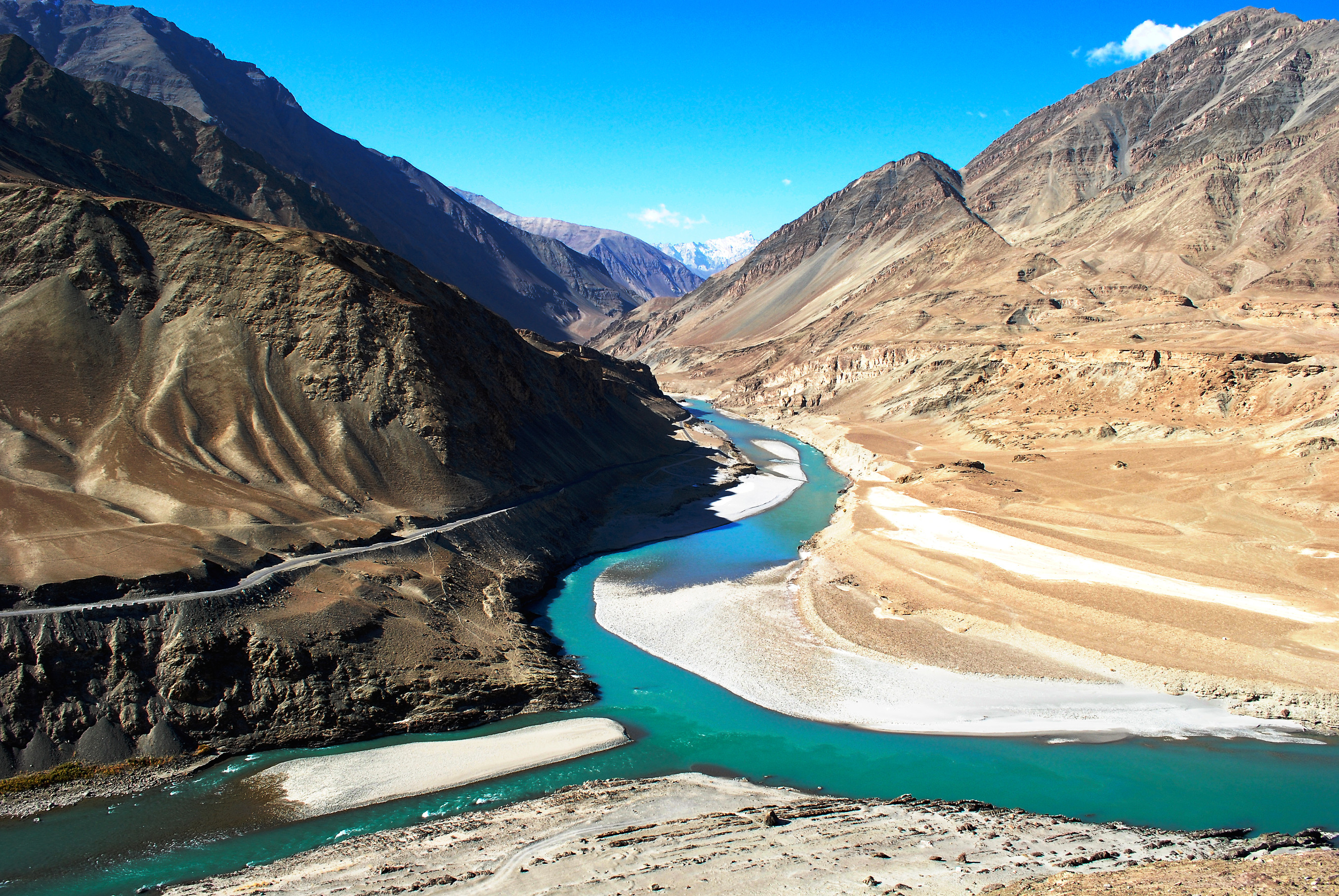
Snow Leopard Trek Hemis: The Ultimate 2026 Guide
The snow leopard trek in Hemis National Park, Ladakh, offers the world's best chance of spotting a wild snow leopard, with 70–80% guided sighting success rates
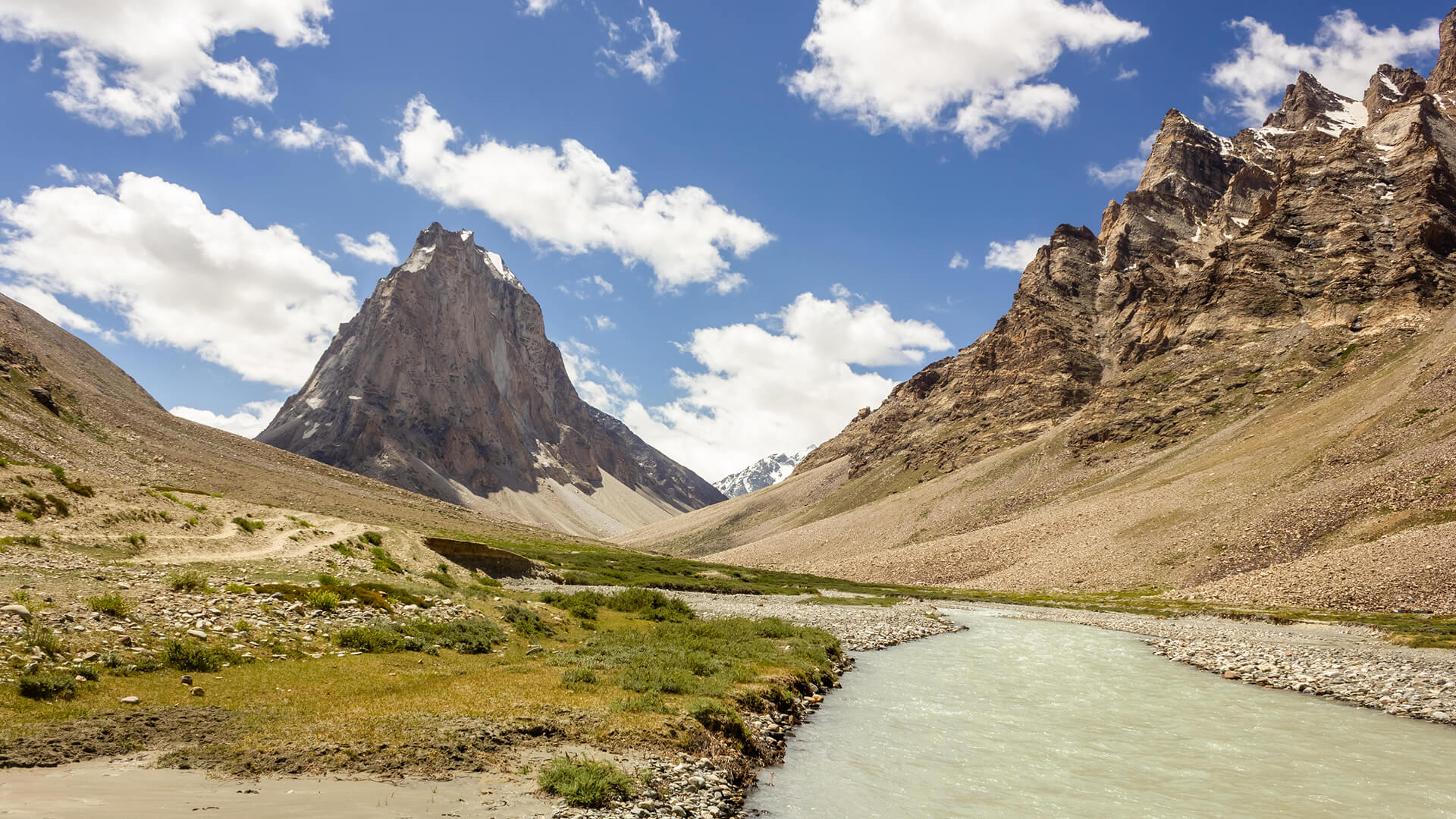
Padum to Darcha Trek: Complete High-Altitude Route Guide
The Padum to Darcha trek covers ~115–120 km in 8–9 days, crossing Shingo La (~5,060 m) between Zanskar and Lahaul.
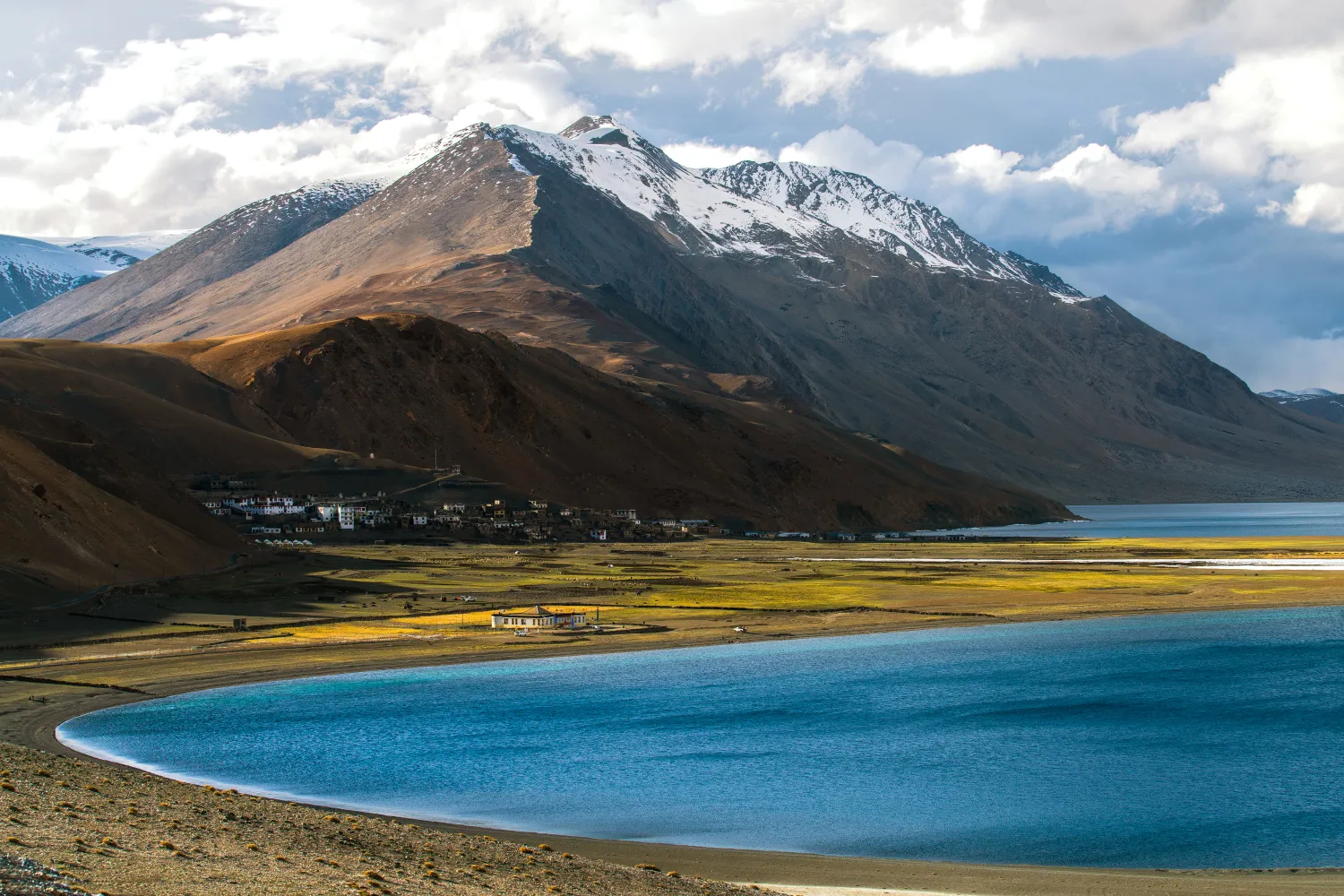
Rumtse to Tso Moriri Trek: Complete Ladakh Trail Guide
The Rumtse to Tso Moriri trek is an ~80 km, 7–8 day strenuous Ladakh trail crossing Kyamar La (~5,460 m) and Polokongka La (~5,190 m), ending at Tso Moriri Lake
Common questions answered
The Chadar Trek is a winter trekking expedition along the frozen Zanskar River in Ladakh, India. Trekkers walk on the frozen river surface — called chadar (Hindi/Urdu for "sheet" or "blanket") — through the Zanskar Gorge, one of the deepest gorges in the Himalayas. The standard itinerary covers approximately 105 km round trip over 10 days, from Chilling village to Nerak Waterfall and back, at elevations between 3,340 m and 3,800 m. It operates exclusively mid-January to mid-February.
Chadar Trek — Latest News
Ladakh Travel Craze Explodes As Markha Valley Trek And Chadar Frozen River Attract Bold Travellers Seeking Untamed Himalayan Thrills India
The Chadar Trek and Markha Valley Trek are experiencing unprecedented demand as trekkers seek extreme Himalayan adventures. Book early and prepare thoroughly fo
6 Best River Treks in India Every Adventure Lover Should Experience
Esquire India recognises Chadar Trek as a premier winter river trekking destination. Learn what this means for adventure trekkers planning Ladakh expeditions.
Live Conditions
Real-time weather & trail status
Trail Conditions
Crowdsourced reports from trekkers who've done this route
Sign in to add a trip report
Find a Trek Buddy
Connect with trekkers planning the same route
No buddies yet for this trek
Sign in and be the first to post a planning signal.