BeginnerEasy–Moderate
Uttarakhand
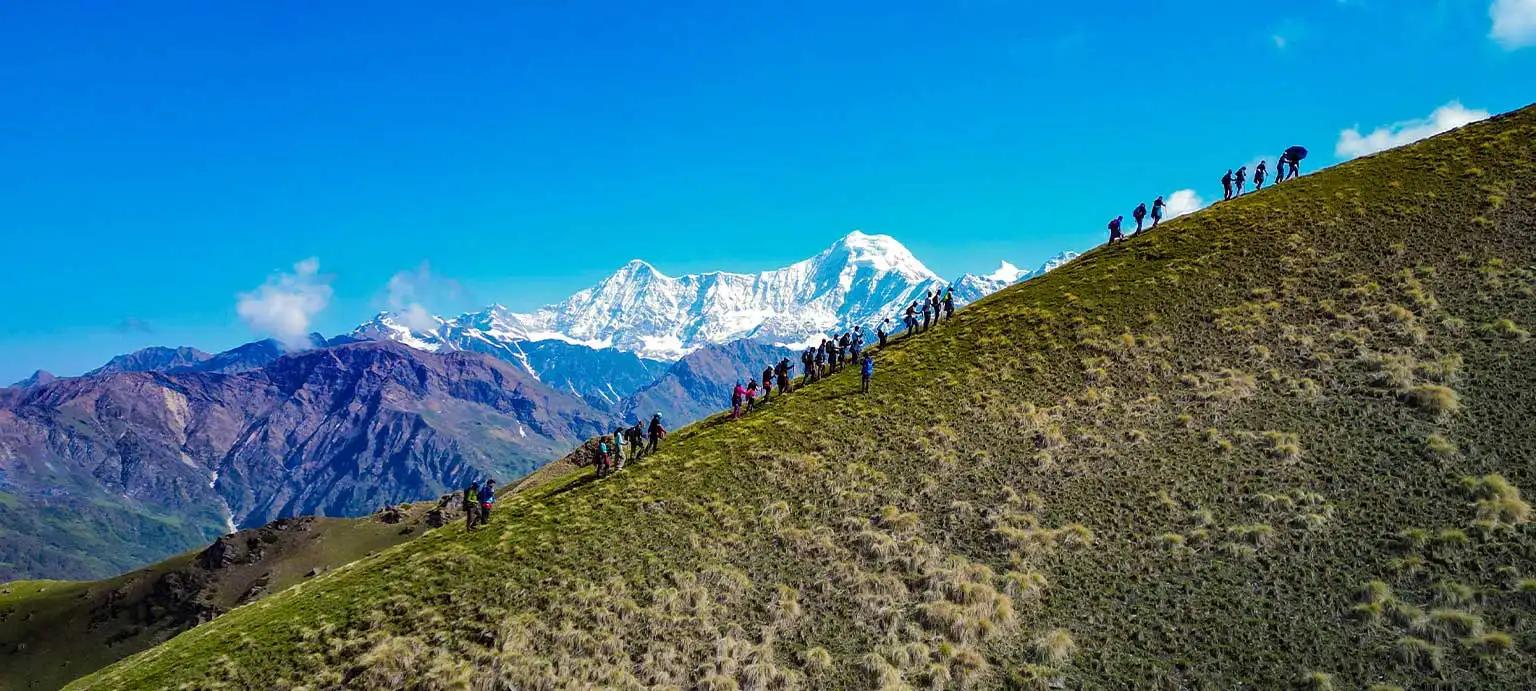
Surya Top Trek
Surya Top Trek is an easy-to-moderate trail in Chakrata, Uttarakhand, reaching ~2,700–2,900 m with panoramic Himalayan views, best done October–November or April-May.
3 days 2,900 mOct – Dec
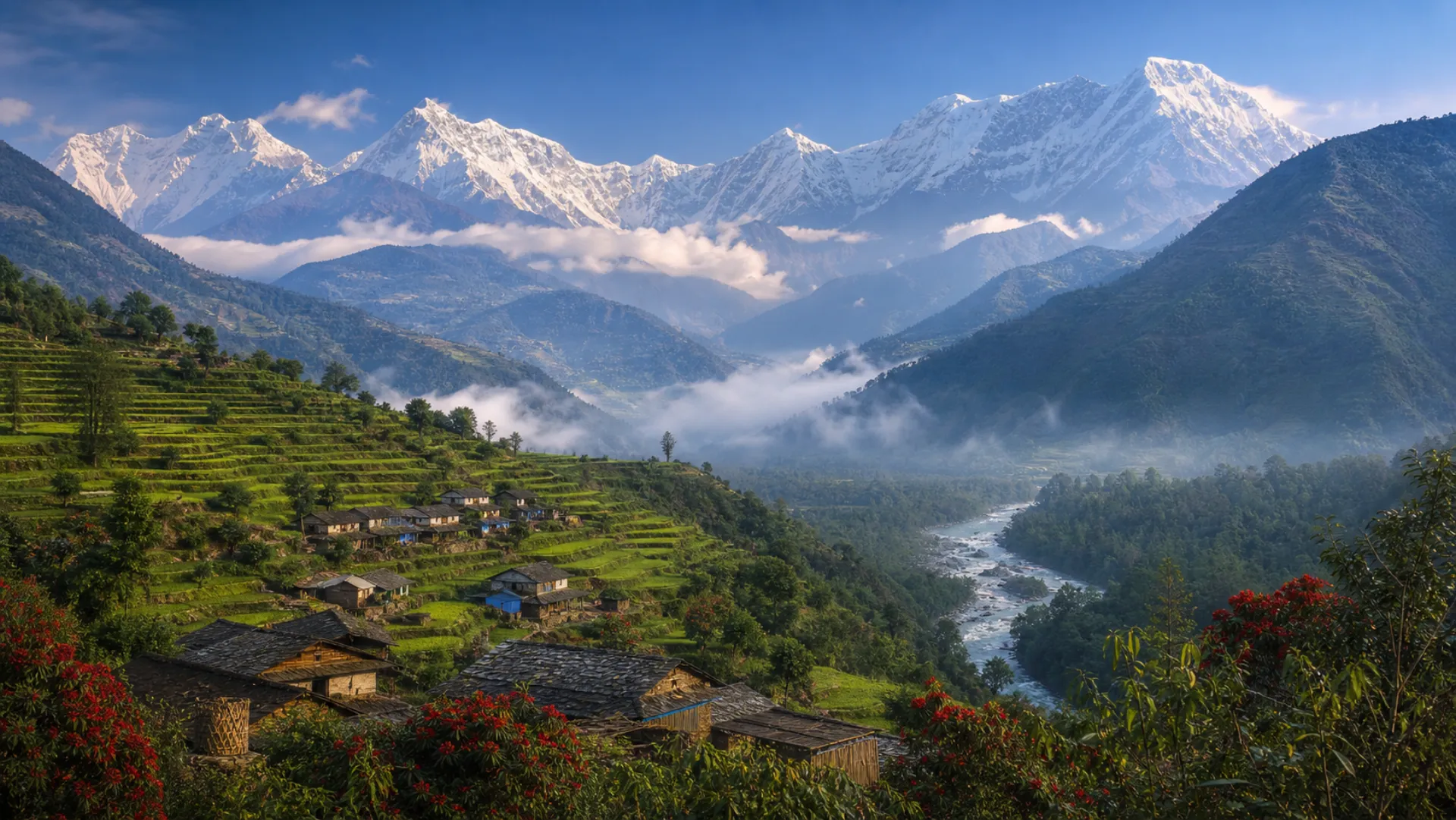
Spring is the season the Himalaya wakes up. Through March and April the snow pulls back from the lower ridgelines, the oak and rhododendron forests of Uttarakhand, Himachal and the North East burst into red and pink flower, and the trails firm up into some of the most colourful walking of the whole year.
Spring sits in the sweet spot between the deep snow of winter and the crowds of summer. Lower and mid altitude trails are clear of snow and stable underfoot, the forests are in full bloom, and the weather is gentle enough for relaxed days. Passes above roughly 4,000 metres can still hold snow, so spring rewards forest and ridge treks rather than big glacier crossings.
It is also one of the quietest windows on the calendar. The winter snow crowds have gone home and the big summer rush has not yet arrived, so popular ridgelines feel almost private. Days are mild in the forest, nights are cold higher up, and the light through the flowering canopy is something photographers plan a whole year around.
Surya Top Trek is an easy-to-moderate trail in Chakrata, Uttarakhand, reaching ~2,700–2,900 m with panoramic Himalayan views, best done October–November or April-May.
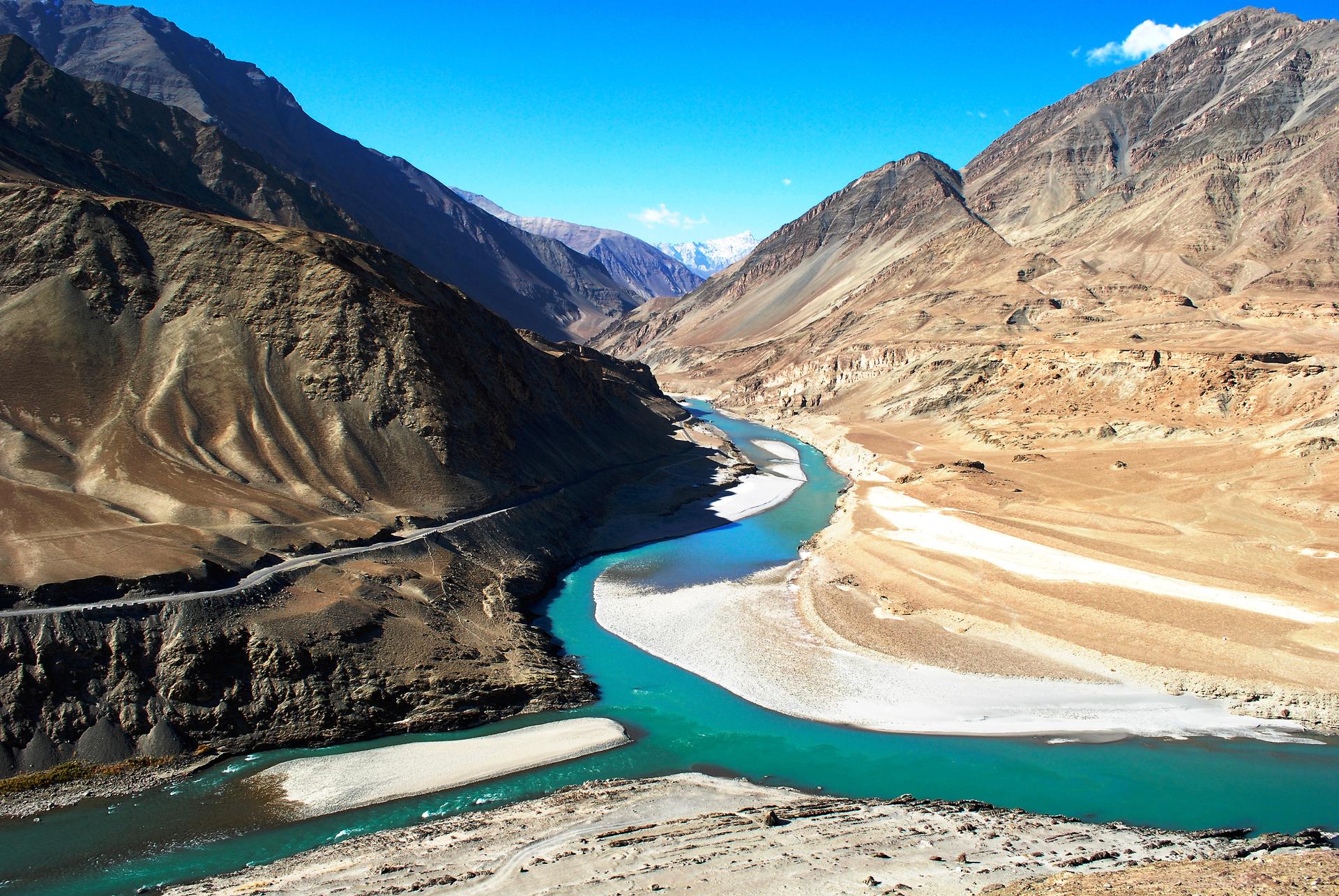
The snow leopard trek in Hemis National Park, Ladakh, offers the world's best chance of spotting a wild snow leopard, with 70–80% guided sighting success rates
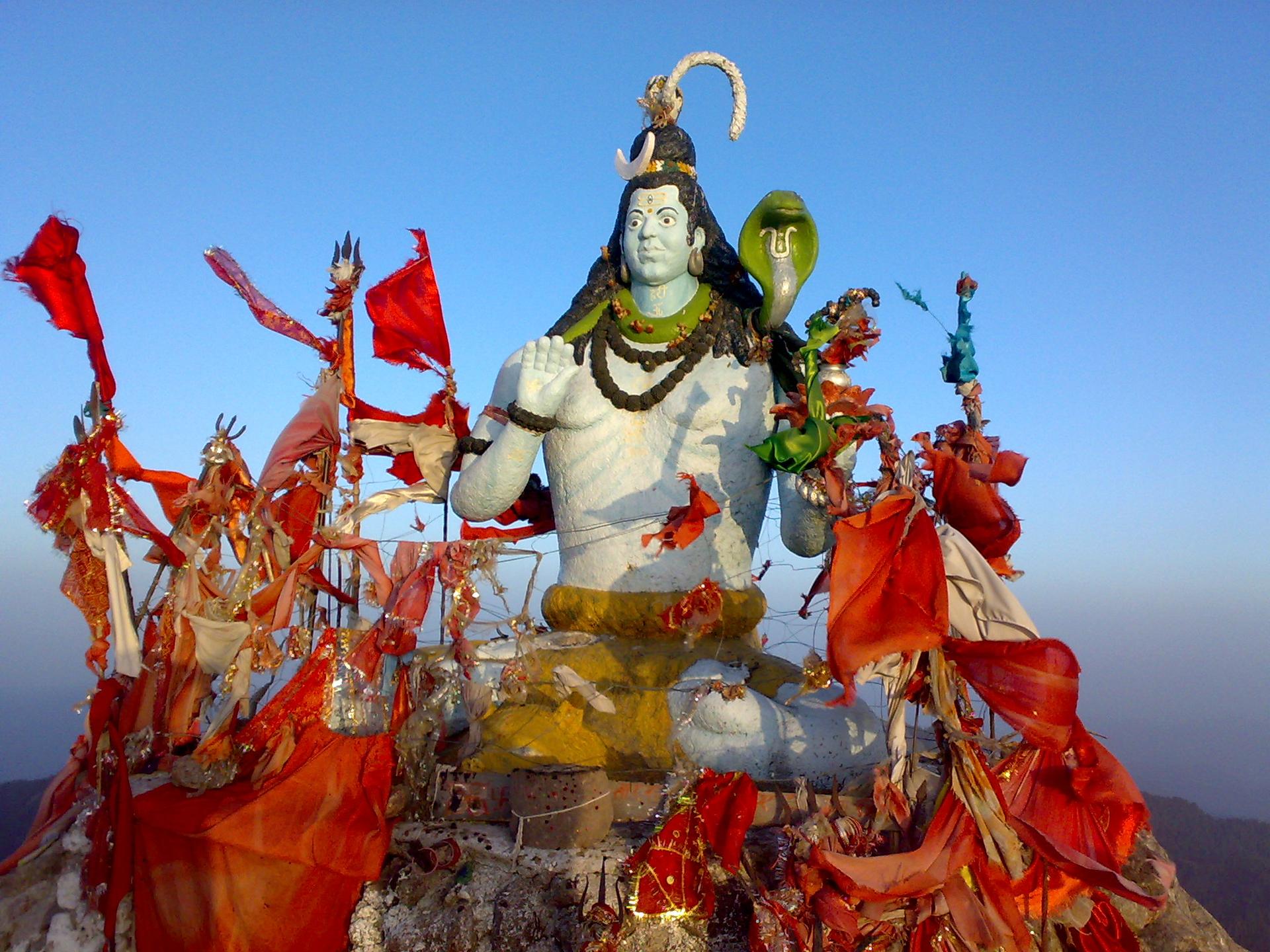
Churdhar Trek reaches 3,647 m (11,965 ft) — the highest outer Himalayan peak — from Nohradhar, Himachal Pradesh, in a ~32 km round trip over 3 days.
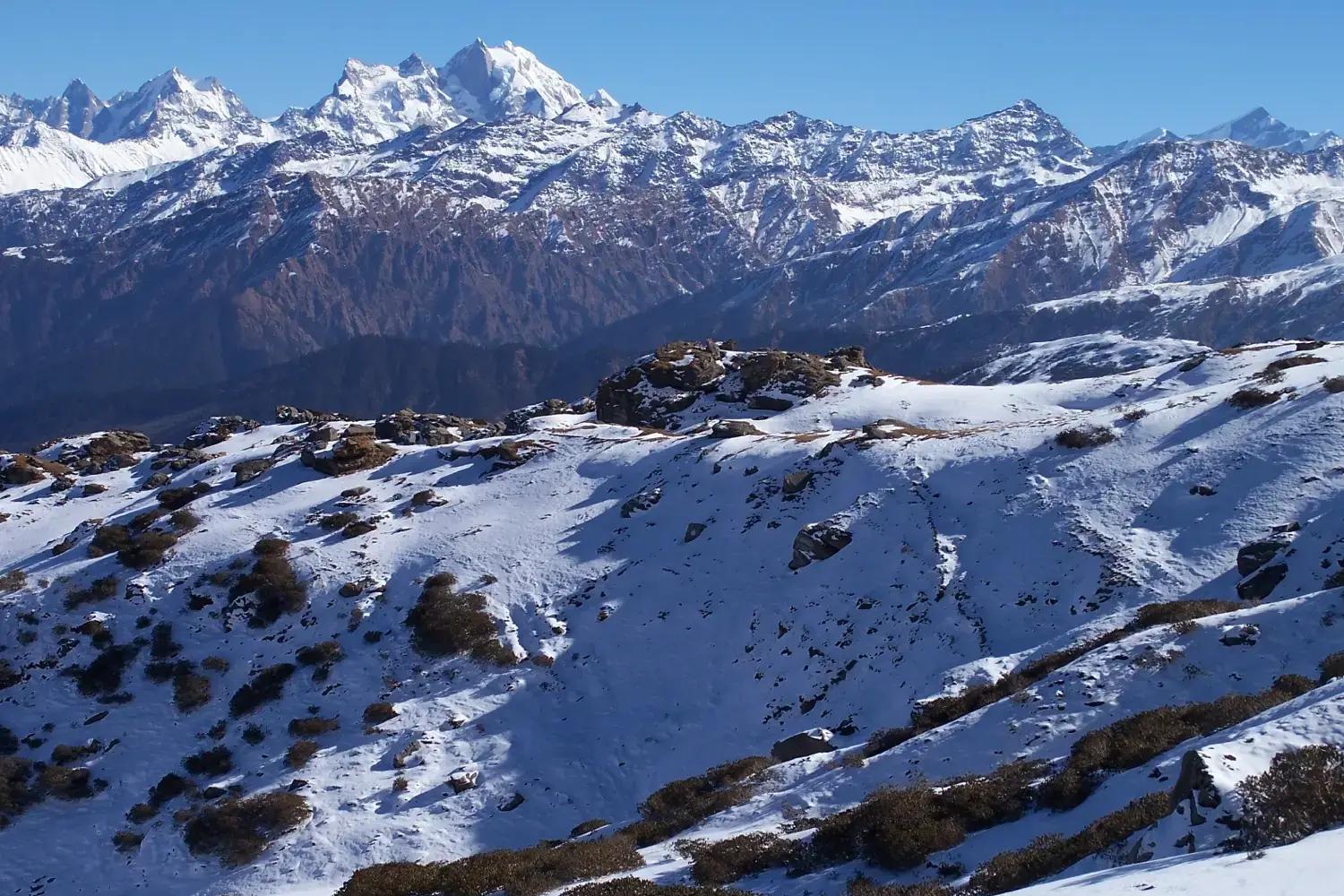
The Kedarkantha trek is a beginner winter trek in Uttarkashi, Uttarakhand, reaching 12,500 ft (3,810 m) in 4–6 days from Sankri village.
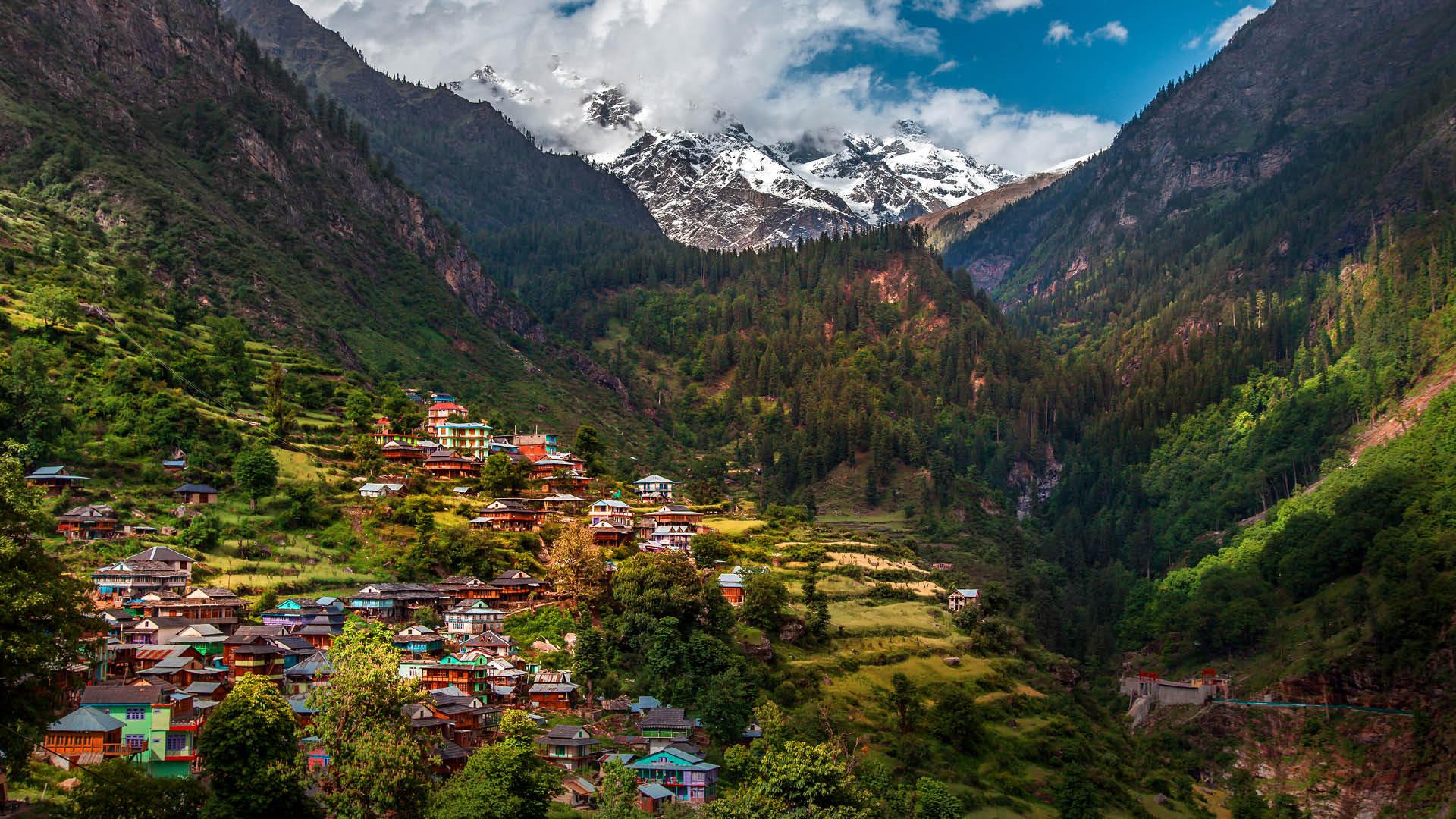
The Tosh Valley trek is a 3–4 km hike from Barshaini to Tosh Village (2,400 m) in Himachal Pradesh's Parvati Valley, rated easy to moderate and best done April–June.
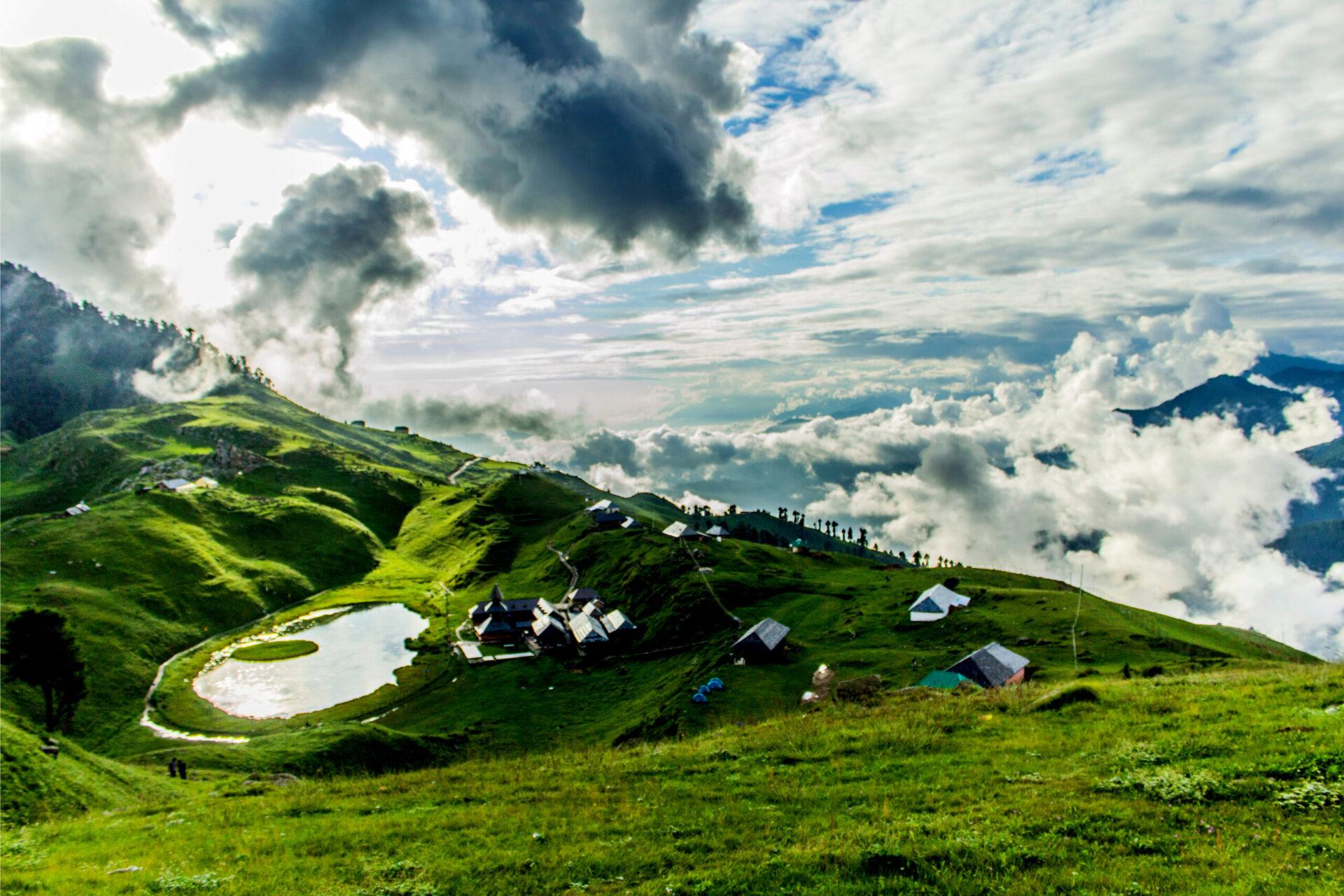
The Prashar Lake trek is a 7–8 km, easy-to-moderate trail in Mandi, Himachal Pradesh, reaching 2730 m (8,957 ft). Best time: April–June or October–November.
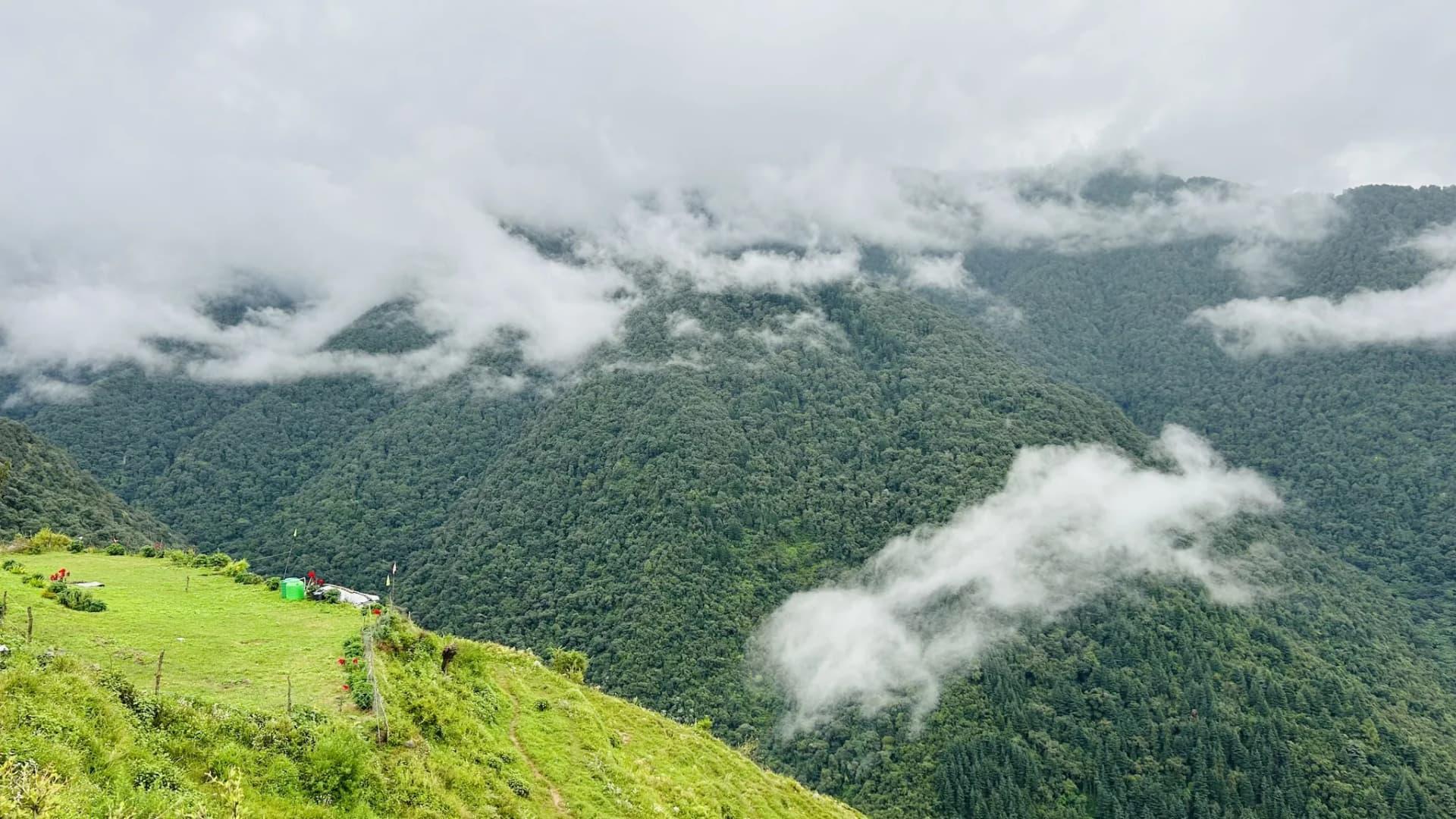
Nag Tibba trek is a 16 km, 2-day Himalayan trek to a 3,022 m summit in Uttarakhand — the closest Himalayan peak to Delhi, ~300 km away.
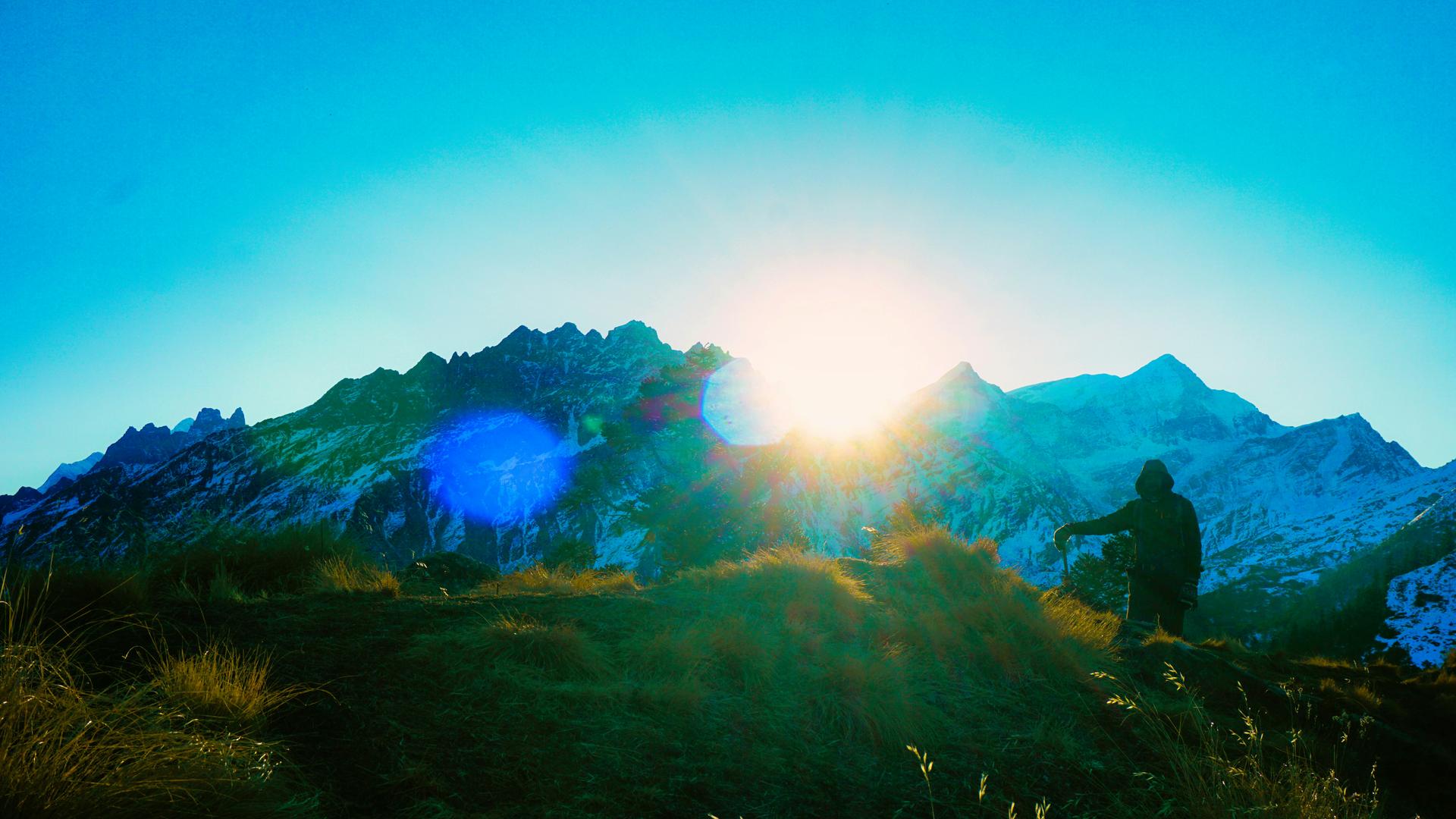
The Kuari Pass Trek is a 36–40 km Easy-to-Moderate Himalayan trail in Garhwal, Uttarakhand, reaching 3,657 m (12,000 ft) with 270° views of Nanda Devi, Kamet &
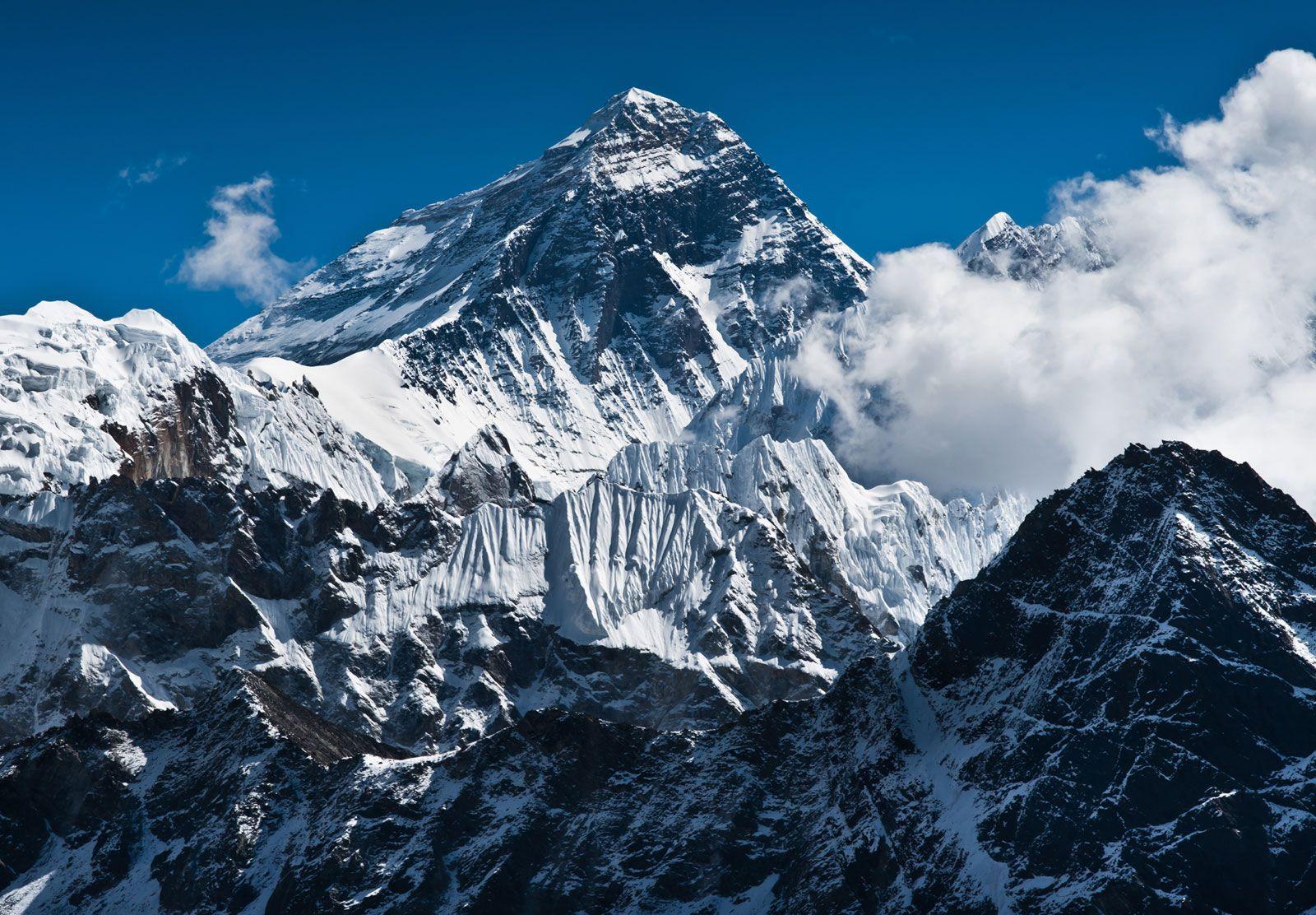
The Mount Everest trek to Base Camp (EBC) is a 130 km, 14–16 day trek reaching 5,364 m, best done in spring or autumn.
How the top spring treks stack up on difficulty, duration, season and altitude.
| Trek | Difficulty | Duration |
|---|---|---|
| Surya Top Trek | Easy–Moderate | 3 days |
| Snow Leopard Trek Hemis | Moderate–Difficult | 7 days |
| Churdhar Trek | Moderate–Difficult | 3 days |
| Kedarkantha Trek | Moderate | 6 Days |
| Tosh Valley Trek | Easy | 4 days |
| Prashar Lake Trek | Easy–Moderate | 3 days |
| Nag Tibba Trek | Easy–Moderate | 3 days |
| Kuari Pass Trek | Easy–Moderate | 6 days |
| Mount Everest | Expert Only | 16 days |
| Month | Conditions |
|---|---|
| March | Rhododendron begins in the lower forests while high passes stay under snow. |
| April | Peak bloom, drying trails and warm days make this the best spring window. |
Some high passes stay under snow into April, so check current conditions and carry traction for the higher routes.
Mild days of 10 to 18 degrees in the forests, cold nights higher up, and residual snow on passes above 4,000 metres.