
Challenging
Madmaheshwar Trek: 2026 Guide – Route, Permits & Tips
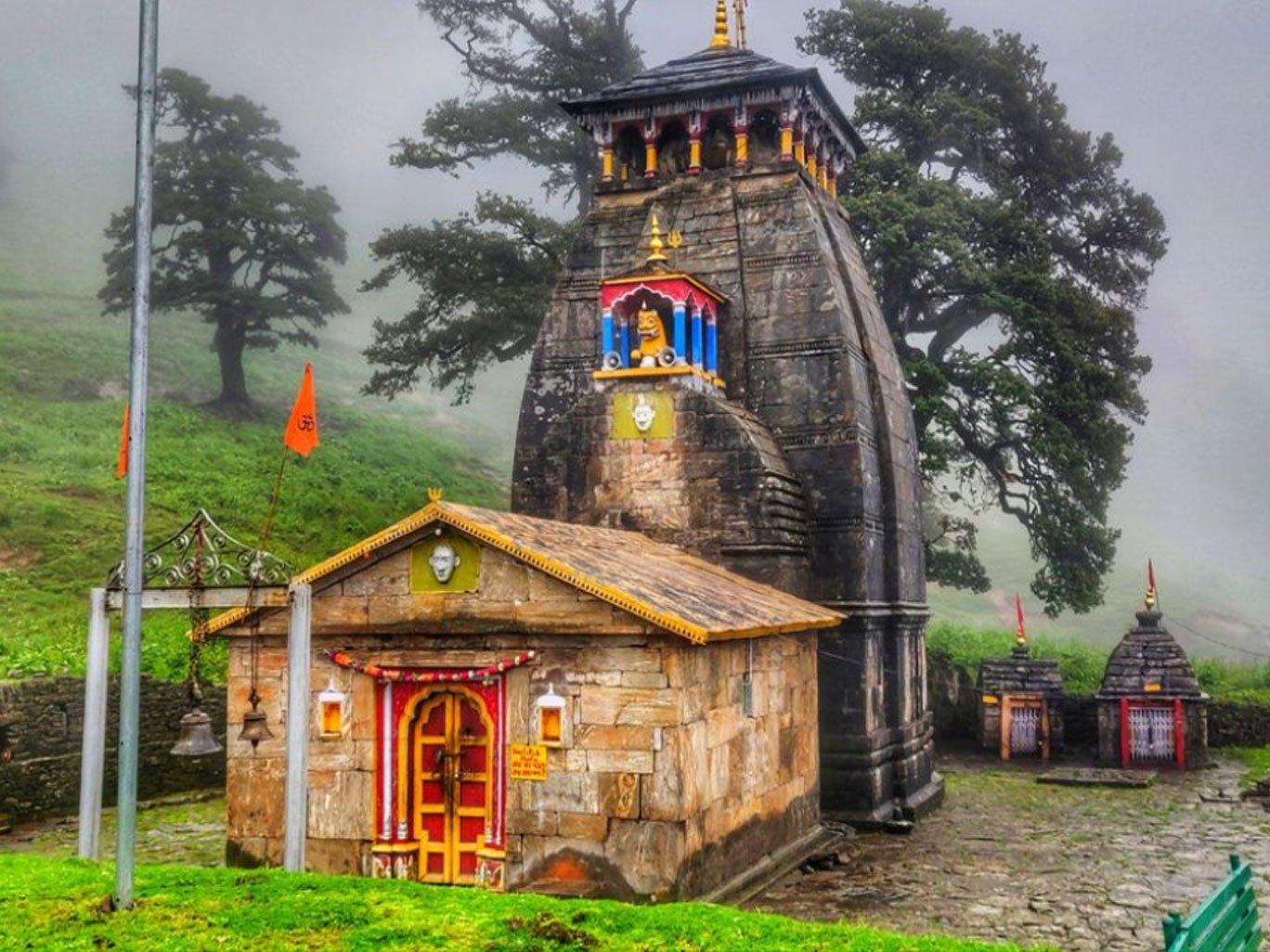
The Madmaheshwar Trek is a moderate 48 km round-trip trek in Uttarakhand reaching a sacred Shiva temple at 3,497 m — open May to November, permit required.
7 days 3,497 mMay - Jun
High passes, long exposed days and real altitude. These are the routes you build up to, not the ones you start with. Below is what it actually takes: the prerequisites, the altitude plan, the permits, and the fitness you need before you commit.
The Madmaheshwar Trek is a moderate 48 km round-trip trek in Uttarakhand reaching a sacred Shiva temple at 3,497 m — open May to November, permit required.
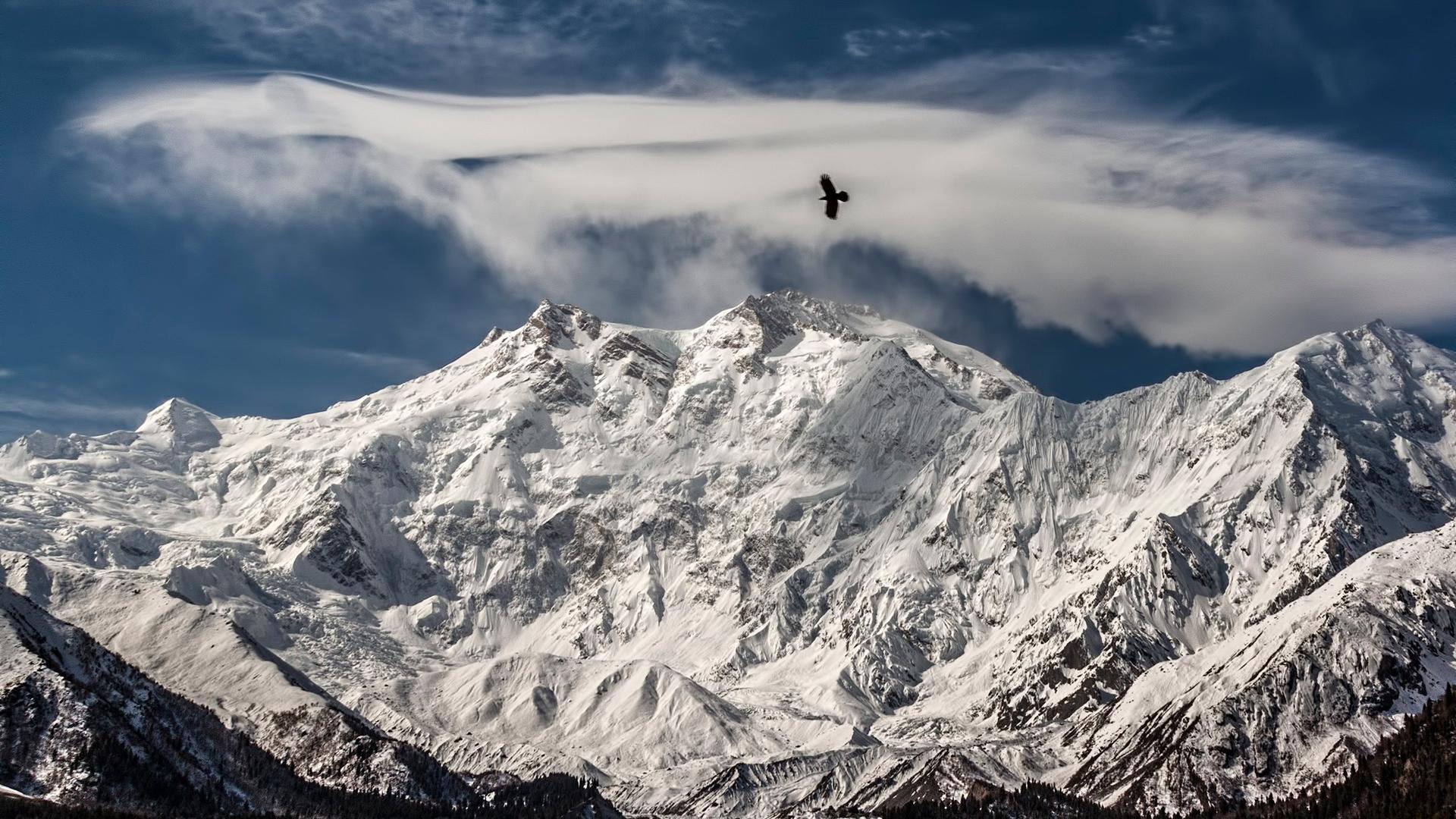
The Nanga Parbat trek is a 7–9 day route in Pakistan's Gilgit-Baltistan to base camps of the world's 9th highest peak, starting from Fairy Meadows at 2,865 m.
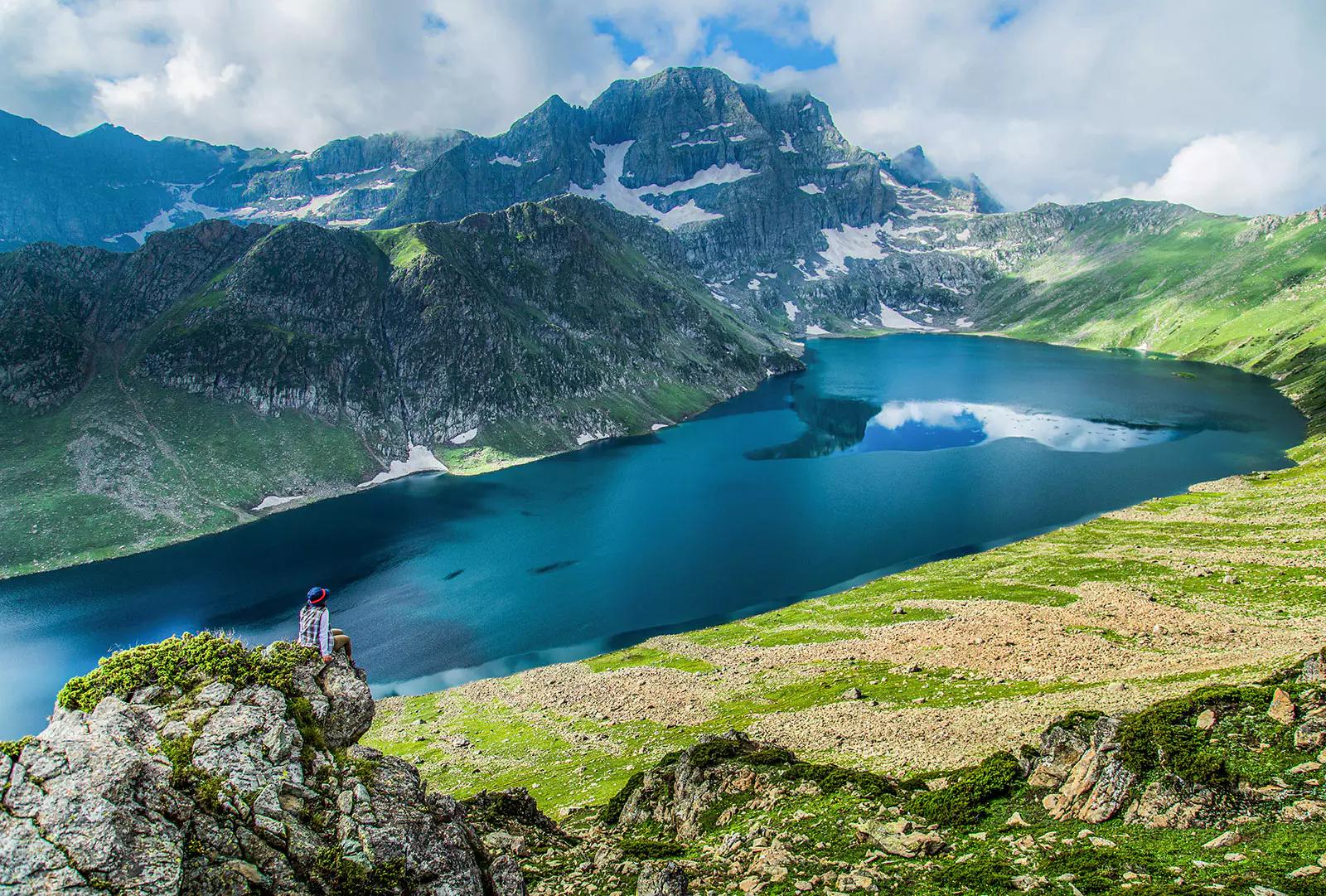
The Tarsar Marsar Trek is a 6–7 day, ~50 km alpine lake circuit in Kashmir's Pahalgam Wildlife Sanctuary, reaching 4,100 m via Tarsar Pass.
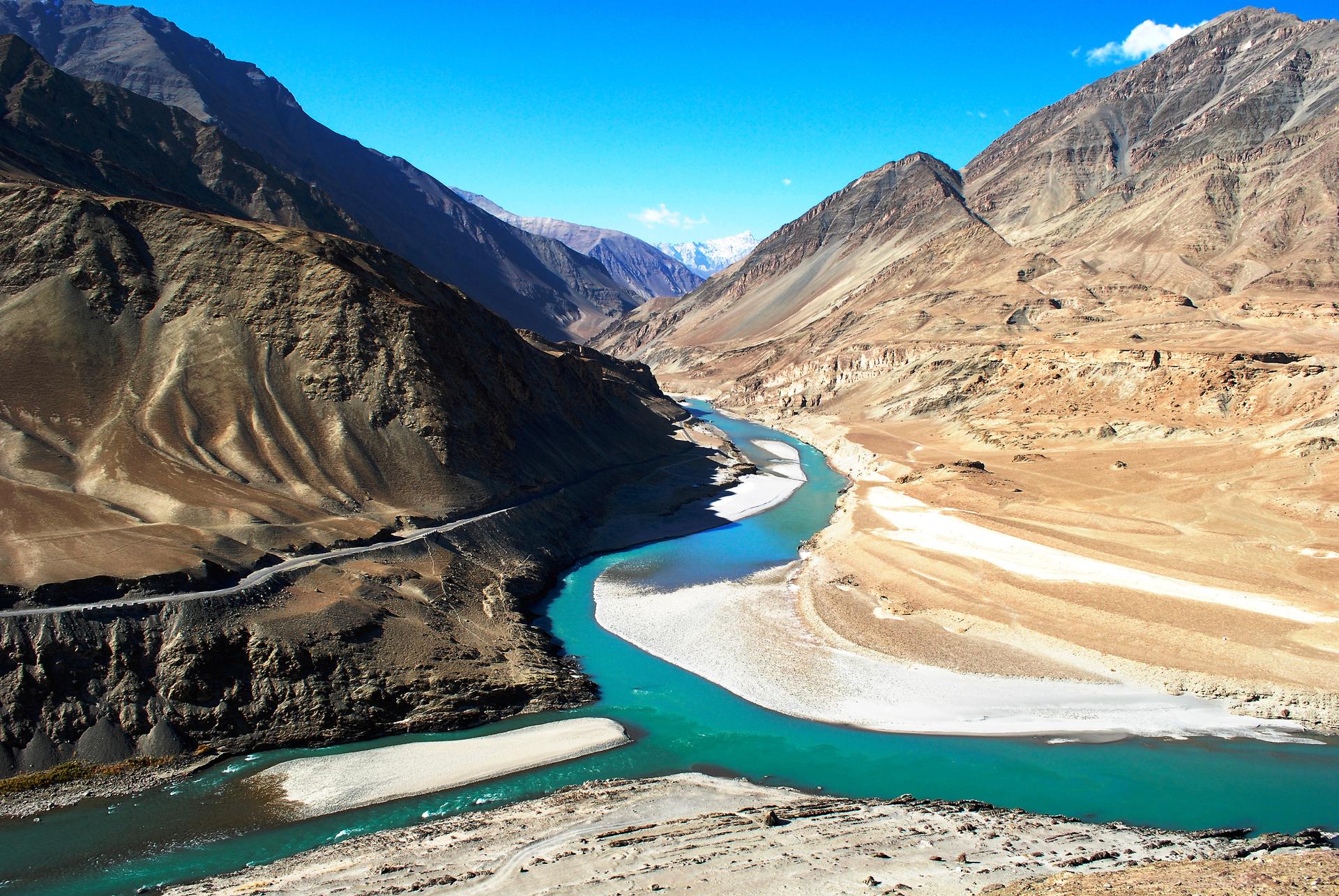
The snow leopard trek in Hemis National Park, Ladakh, offers the world's best chance of spotting a wild snow leopard, with 70–80% guided sighting success rates
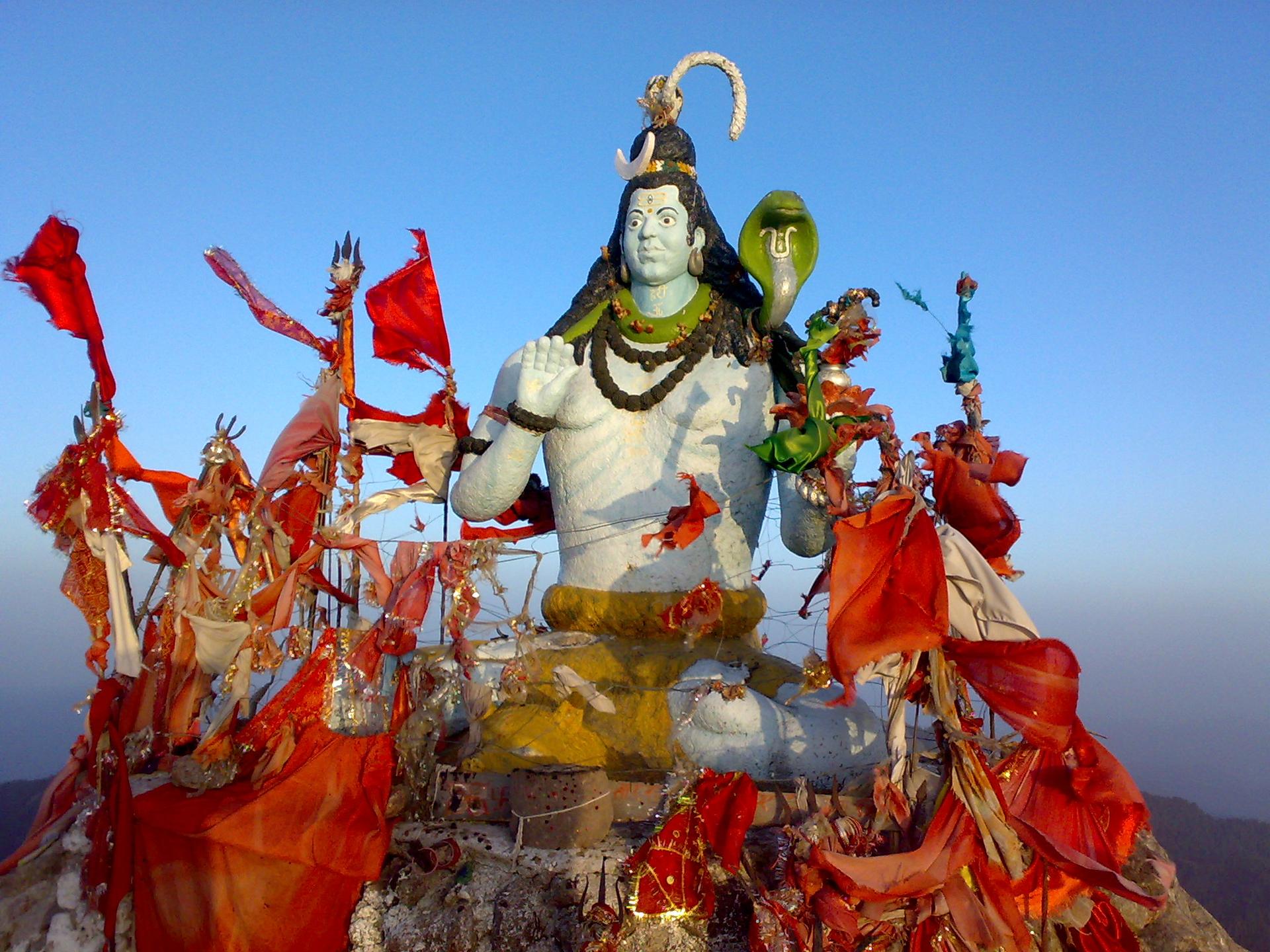
Churdhar Trek reaches 3,647 m (11,965 ft) — the highest outer Himalayan peak — from Nohradhar, Himachal Pradesh, in a ~32 km round trip over 3 days.
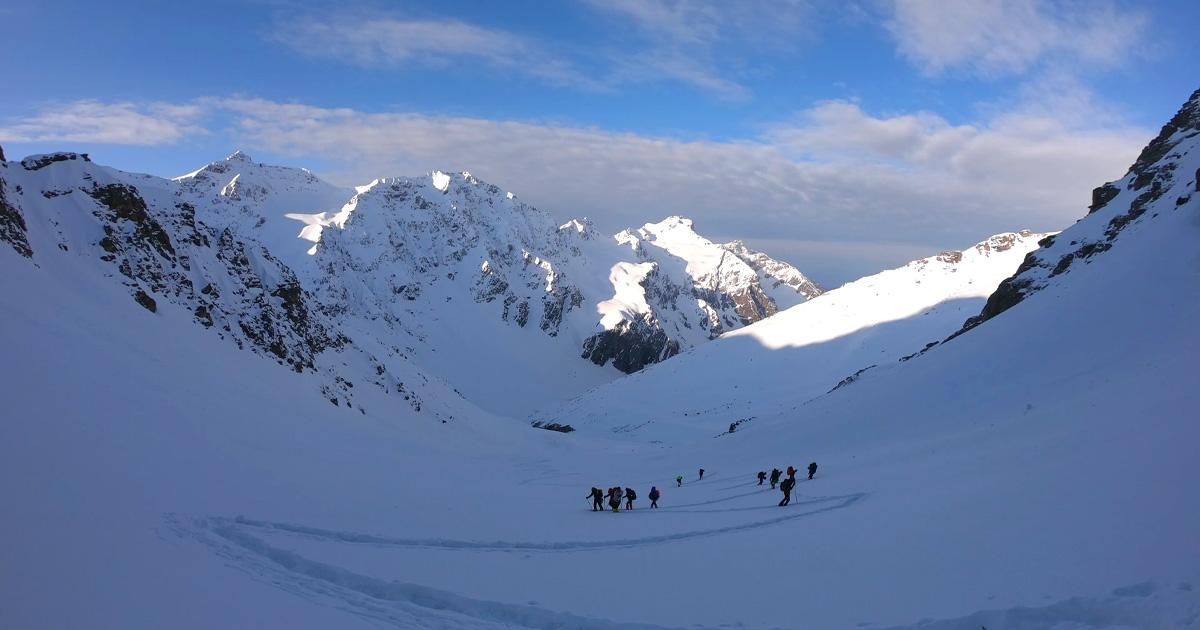
The Buran Ghati Trek is a difficult 40 km trail in Himachal Pradesh crossing a 4,700 m pass with India's only glacier rappel descent on a mainstream trek.
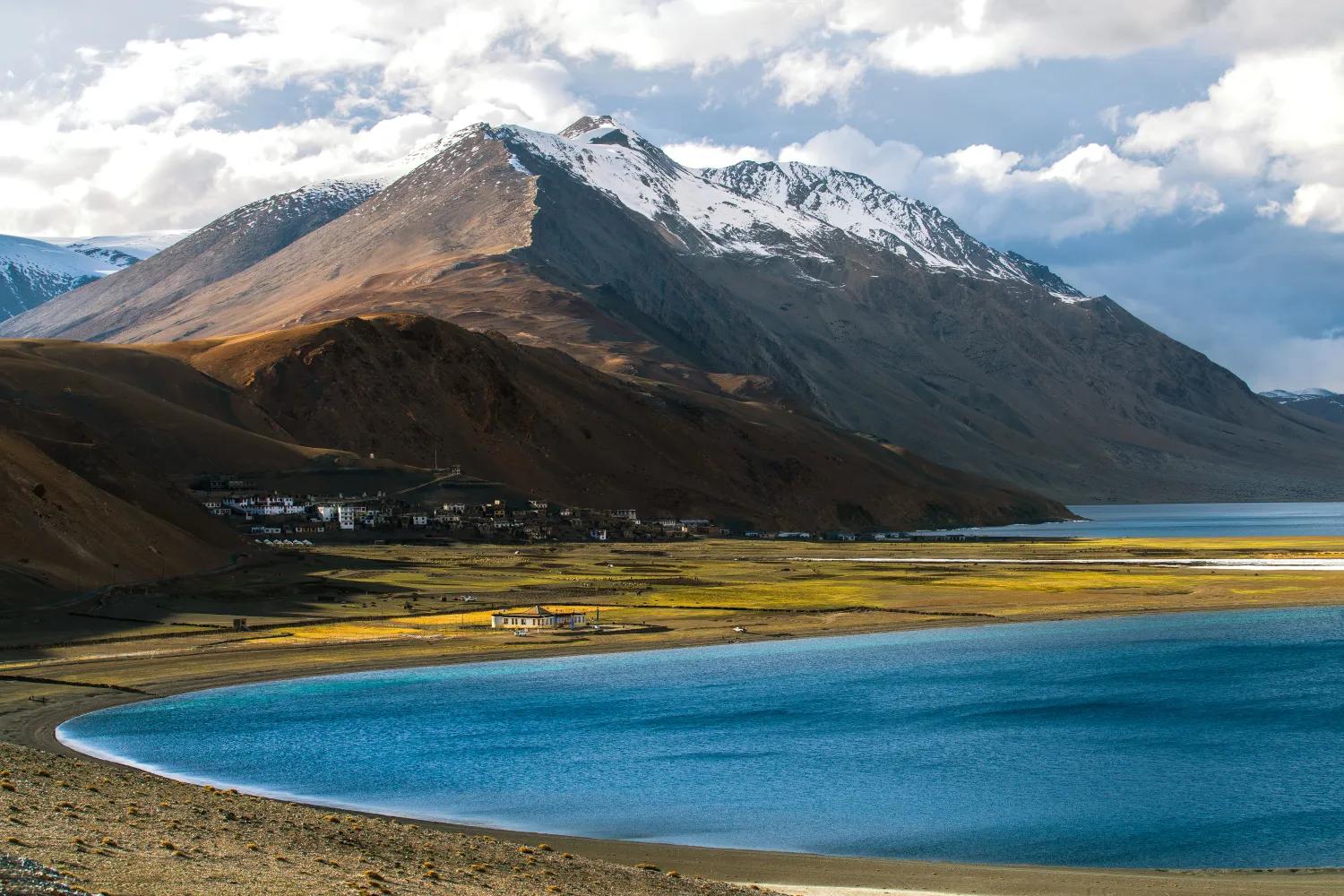
The Rumtse to Tso Moriri trek is an ~80 km, 7–8 day strenuous Ladakh trail crossing Kyamar La (~5,460 m) and Polokongka La (~5,190 m), ending at Tso Moriri Lake
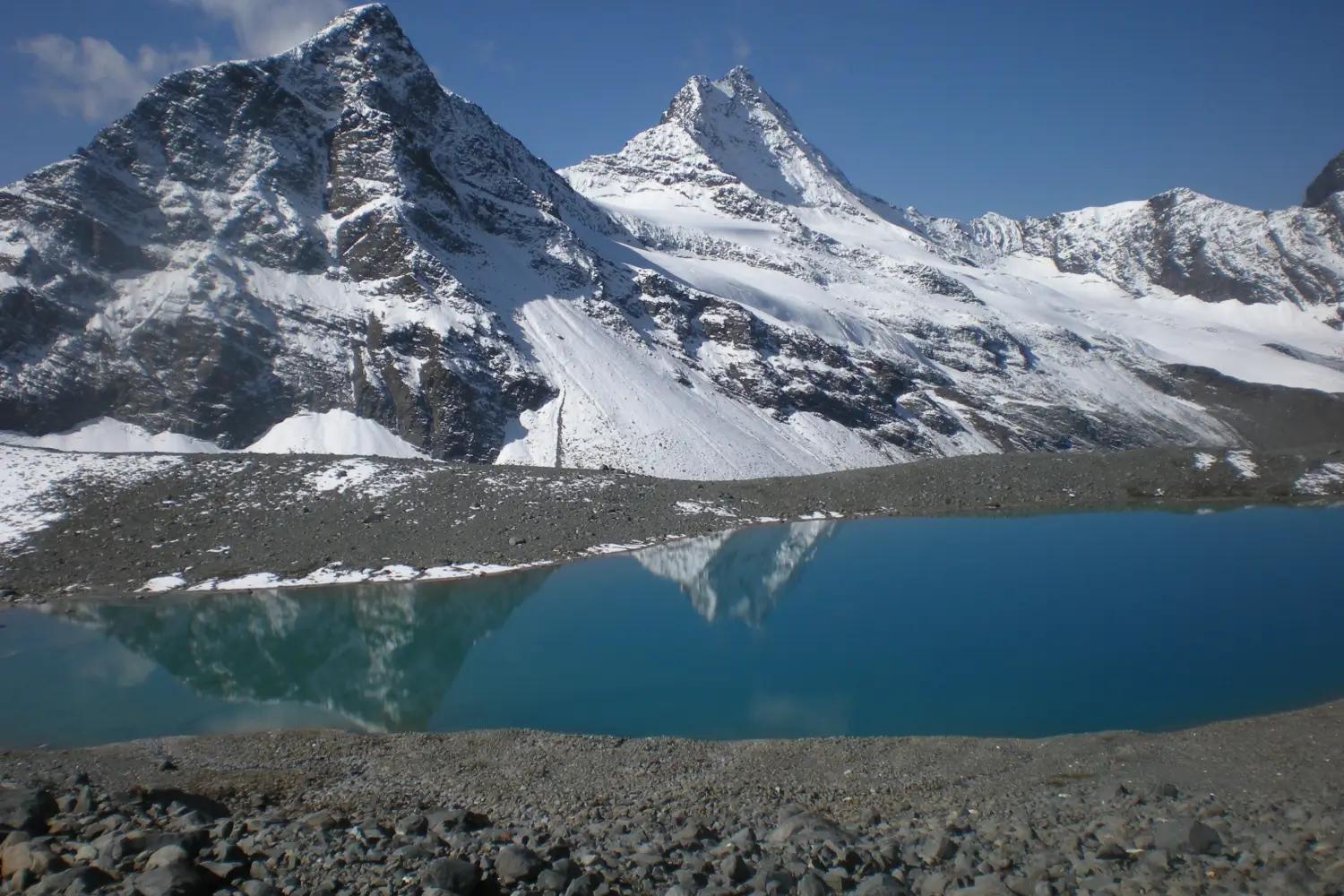
The Bara Bhangal trek is a 65–70 km, 7–8 day difficult trek in Himachal Pradesh crossing Thamsar Pass (~4,708 m) to reach one of India's most remote villages.
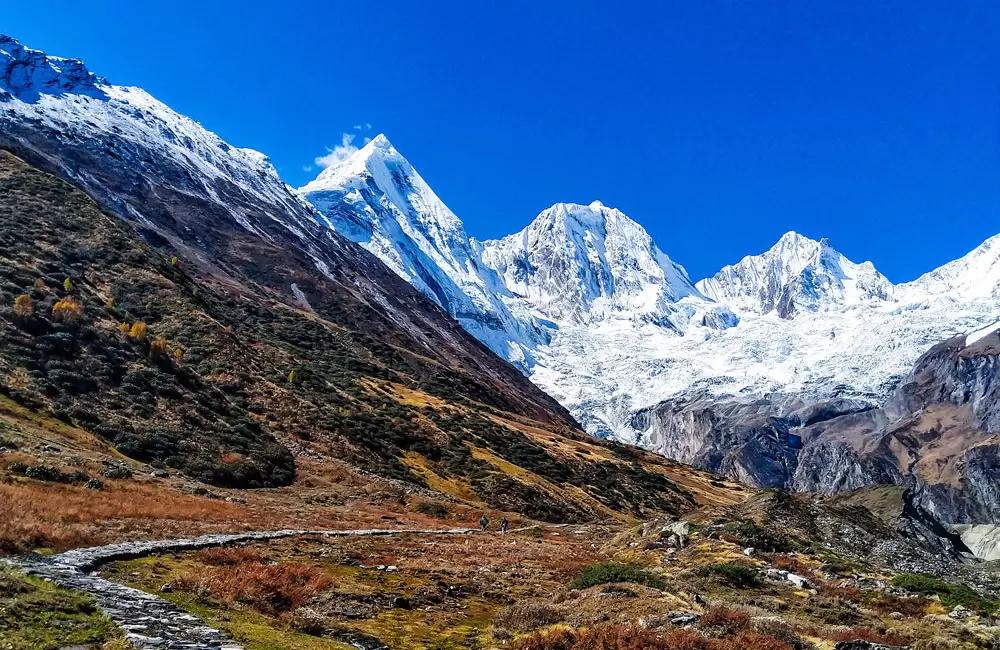
The Panchachuli Base Camp Trek is a 55–60 km round trip in Pithoragarh, Uttarakhand, reaching 3,850 m. Best season: September–October. Inner Line Permit required
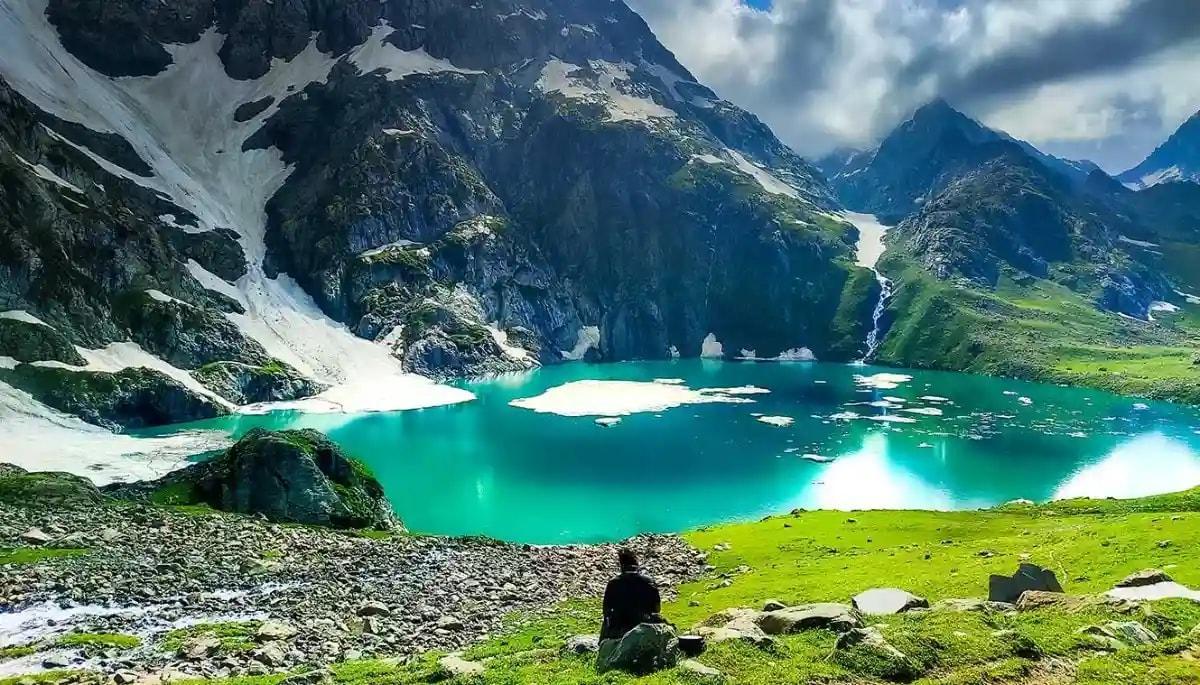
Kedartal trek is a 34–36 km round-trip trail from Gangotri to a glacial lake at 4,750 m in the Garhwal Himalayas, completed in 4–5 days, rated Difficult.
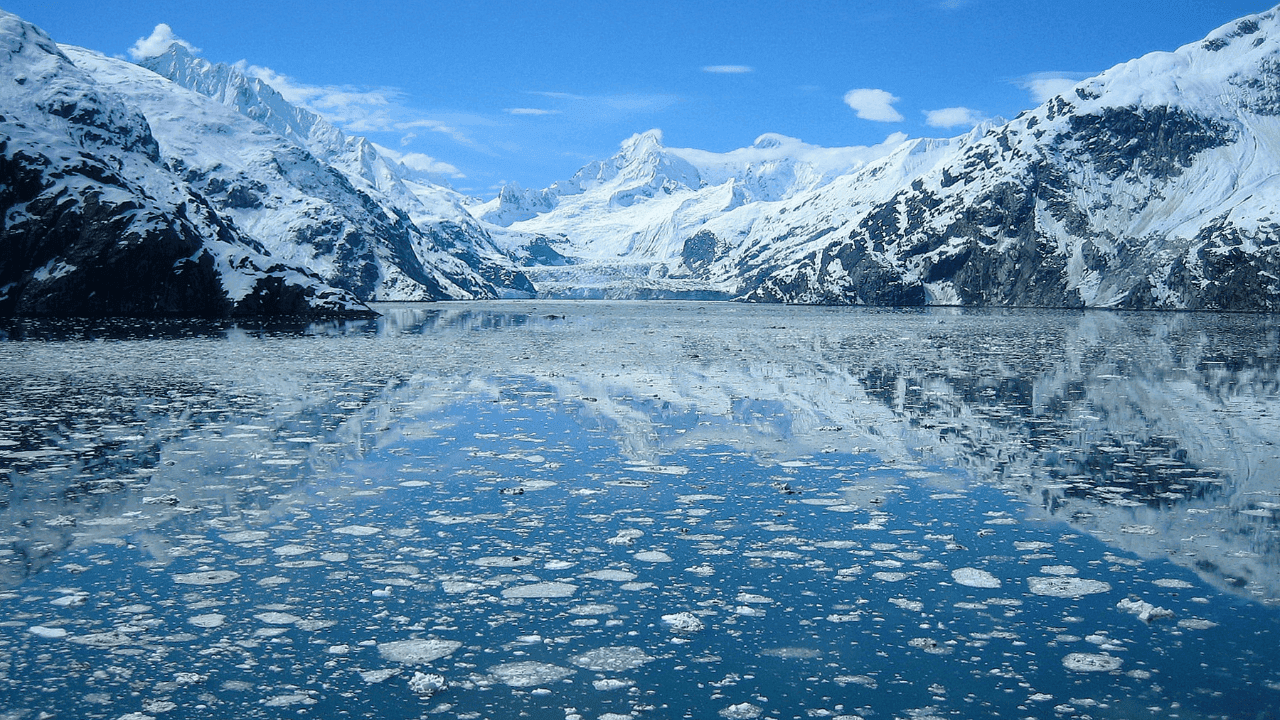
The Milam Glacier trek is a 9-day, ~120 km round-trip trek in Uttarakhand from Munsiyari to a glacier snout at ~3,870 m, requiring an Inner Line Permit.
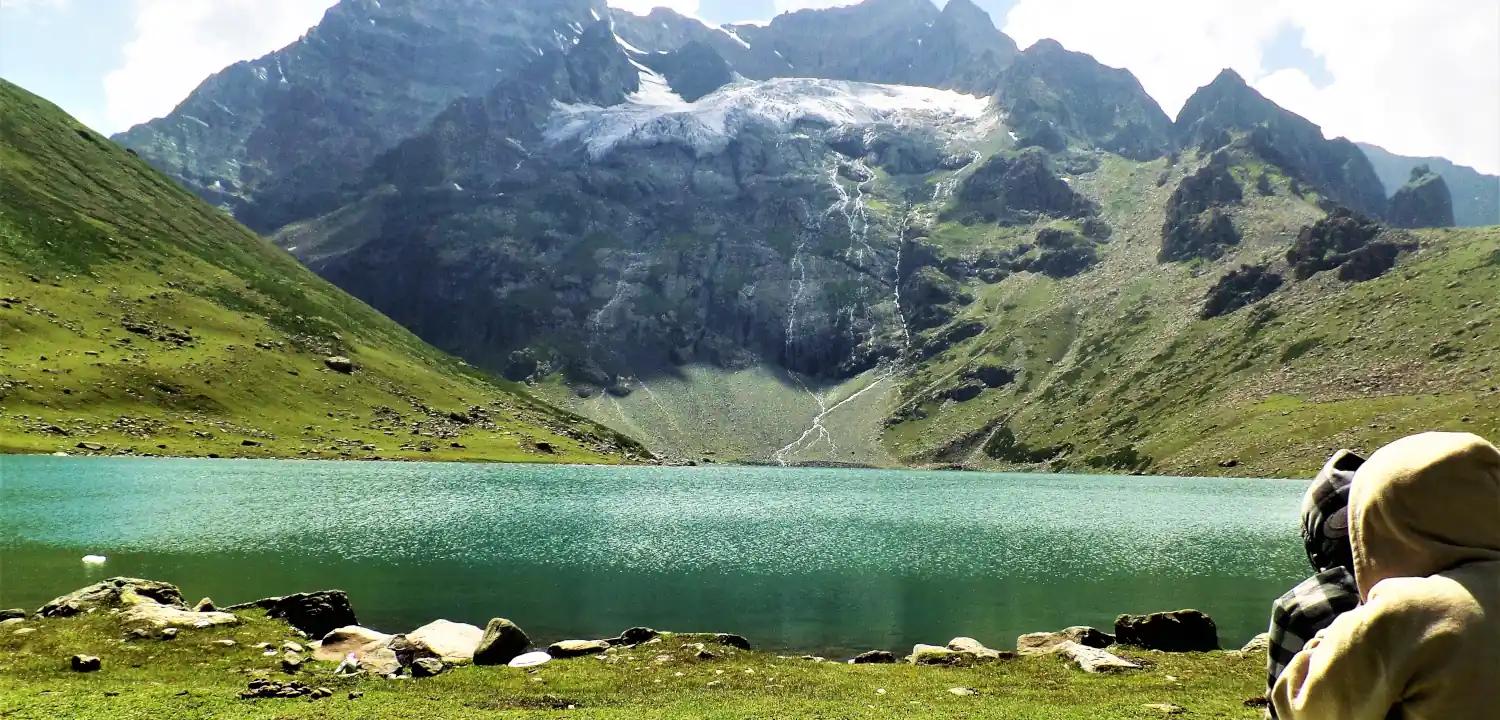
The Naranag Gangabal Trek is a 4–5 day moderate-difficult alpine trek in Kashmir, covering ~26–30 km from Naranag (2,150 m) to Gangabal Lake (3,570 m).
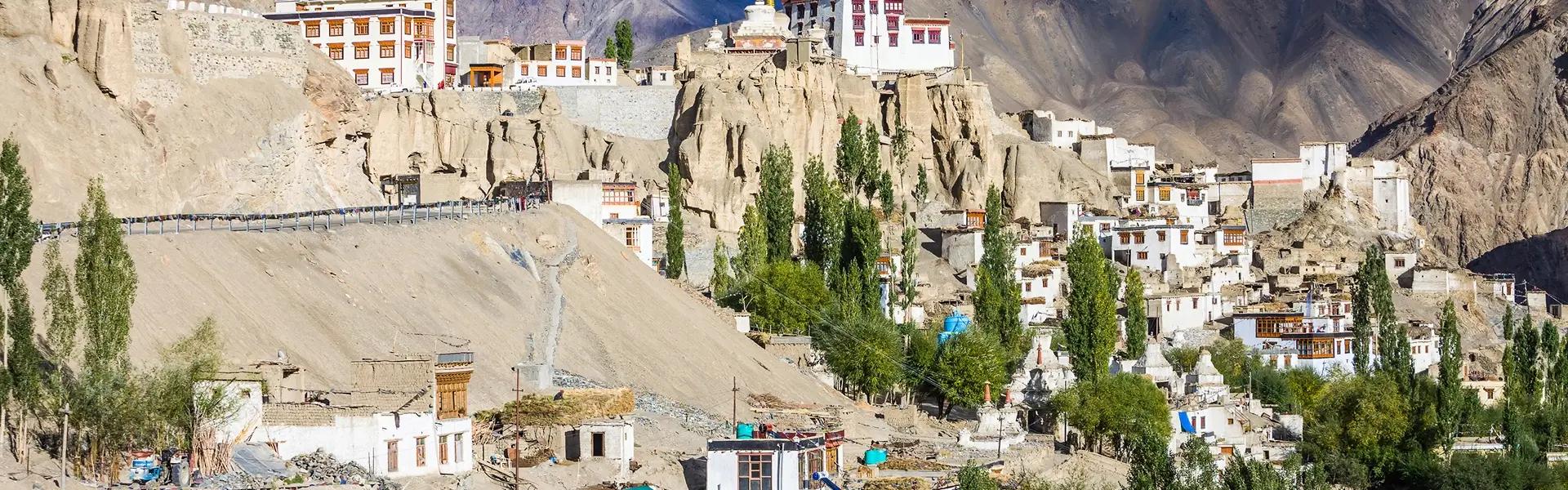
The Lamayuru to Chilling trek is a 75–80 km, 6–7 day high-altitude route in Ladakh crossing three passes up to 4930m, best trekked July–September.
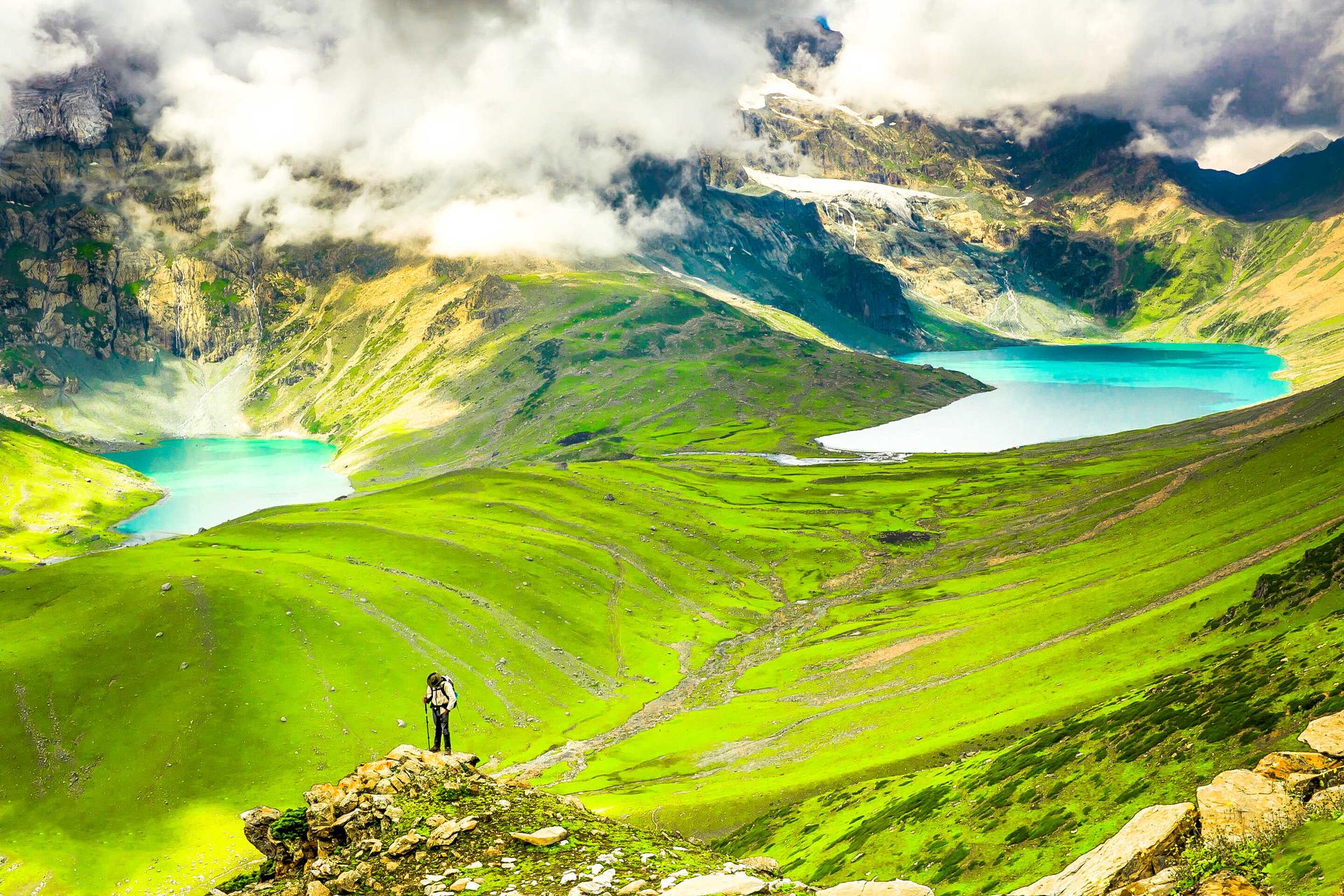
The Kashmir Great Lakes Trek is an 8-day, 72 km moderate-difficult route from Sonamarg to Naranag, crossing 7 alpine lakes and 4 passes up to 4,191 m, open July-mid-September.
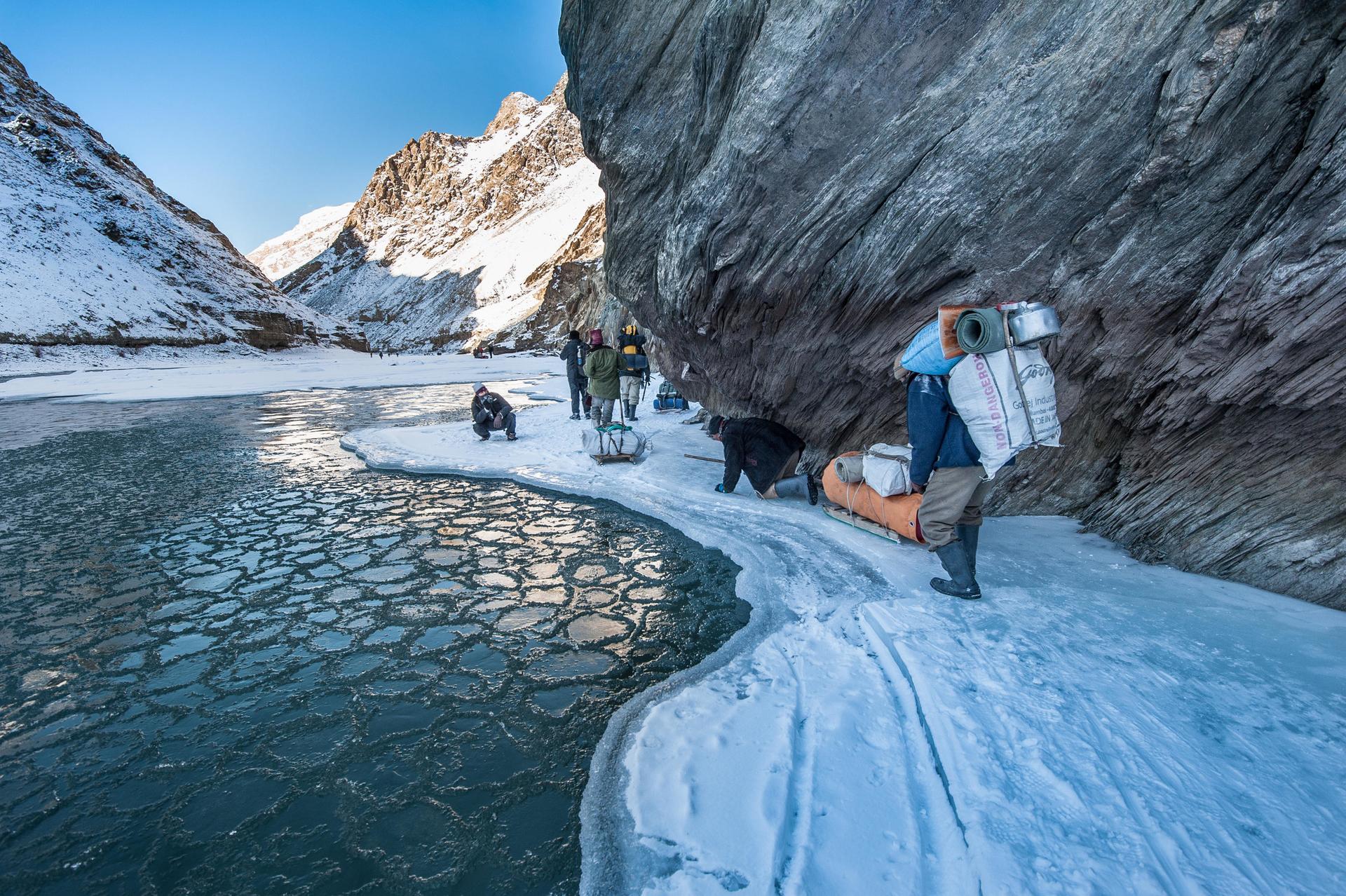
The Chadar Trek is a 10-day winter expedition on the frozen Zanskar River in Ladakh, operating mid-January to mid-February, graded Difficult to Strenuous.
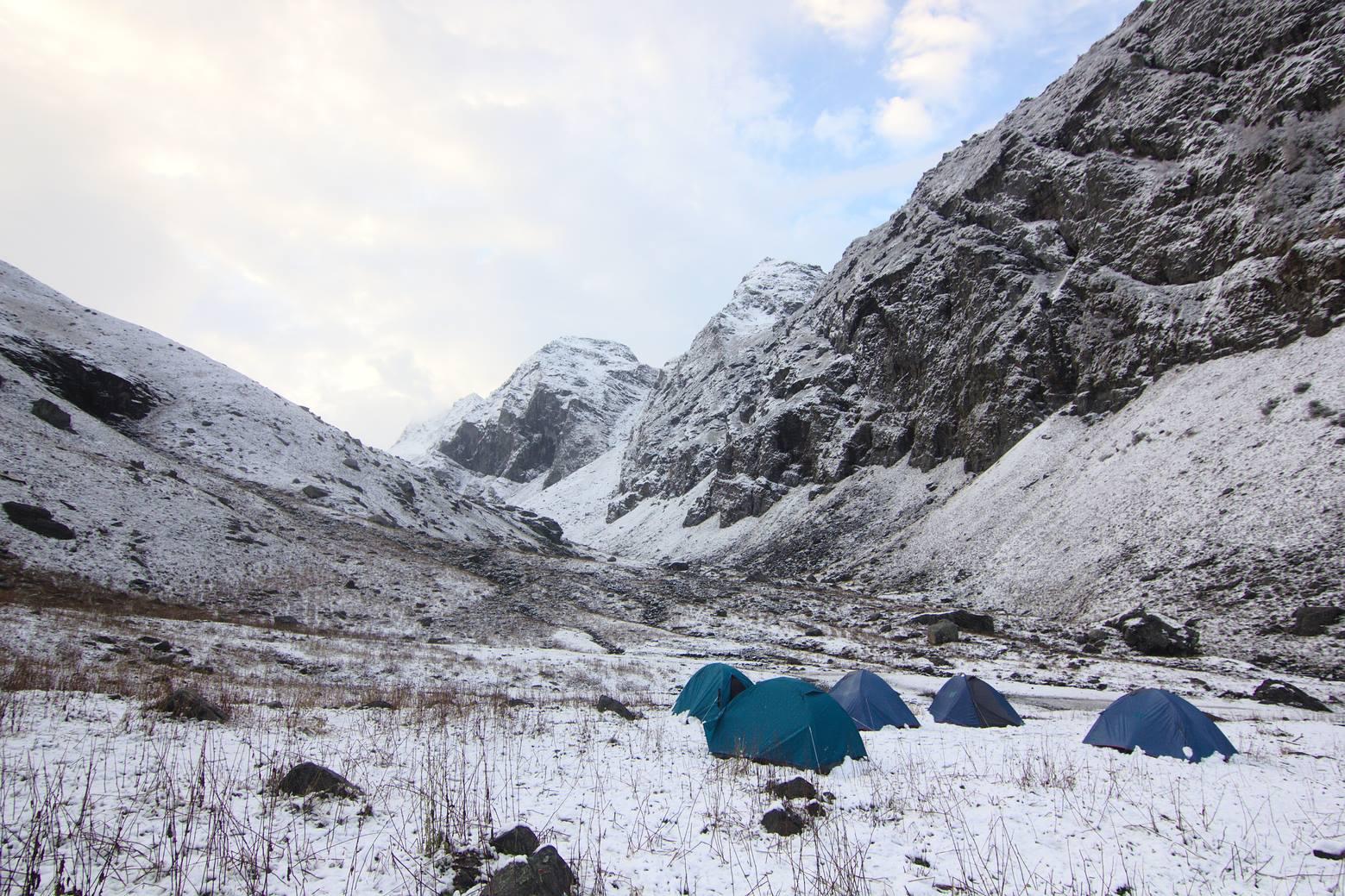
Indrahar Pass trek is a moderate-to-difficult 4-day route in the Dhauladhar range, starting from McLeod Ganj and reaching 4,342 m (14,245 ft). Best done September–October.
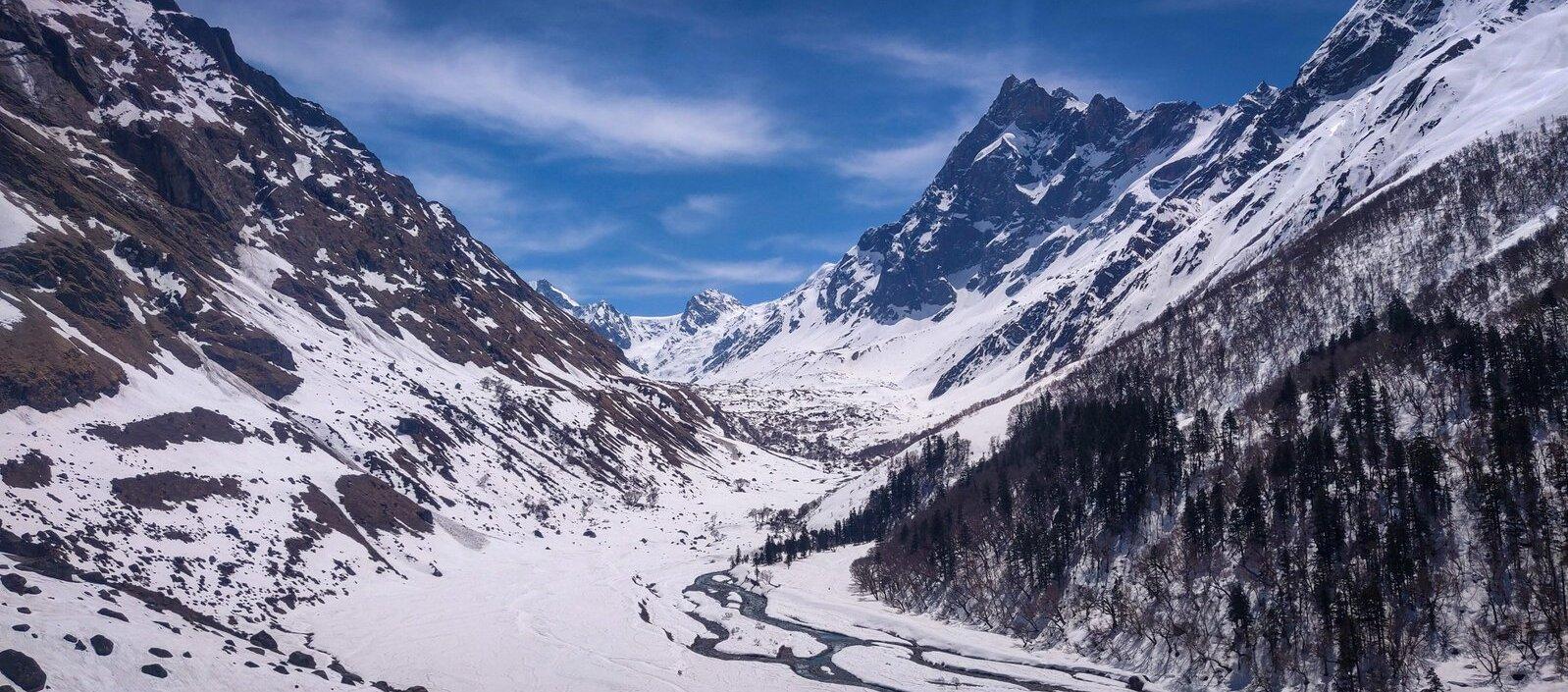
The Kugti Pass trek is a difficult high-altitude crossing in Chamba, Himachal Pradesh, reaching ~4,920 m (16,142 ft) and connecting Chamba to Lahaul.
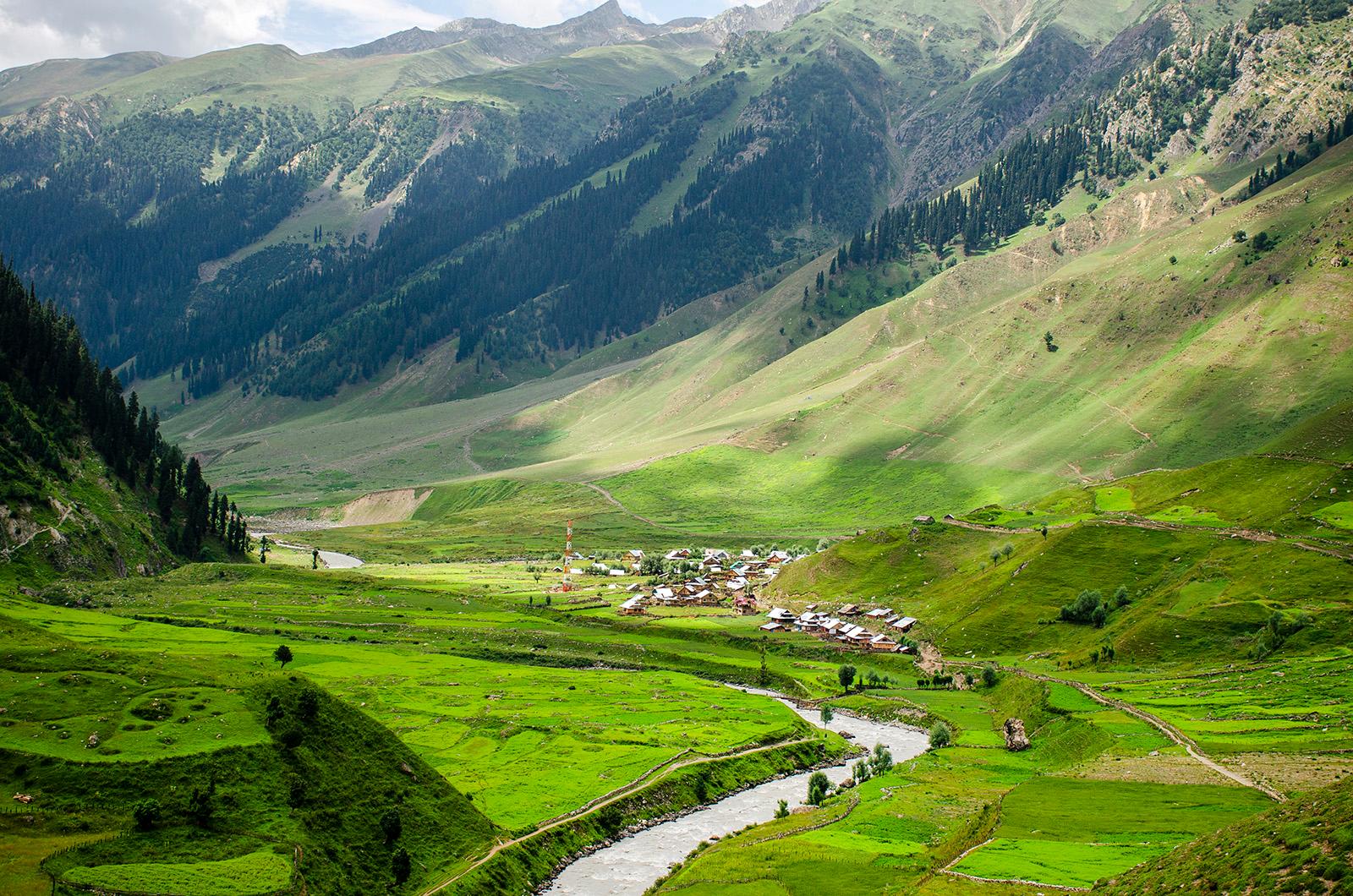
The Warwan Valley trek is an 85–100 km, 8–10 day difficult trek through the Pir Panjal ranges of J&K, reaching 2,900m to 4,800m elevation.
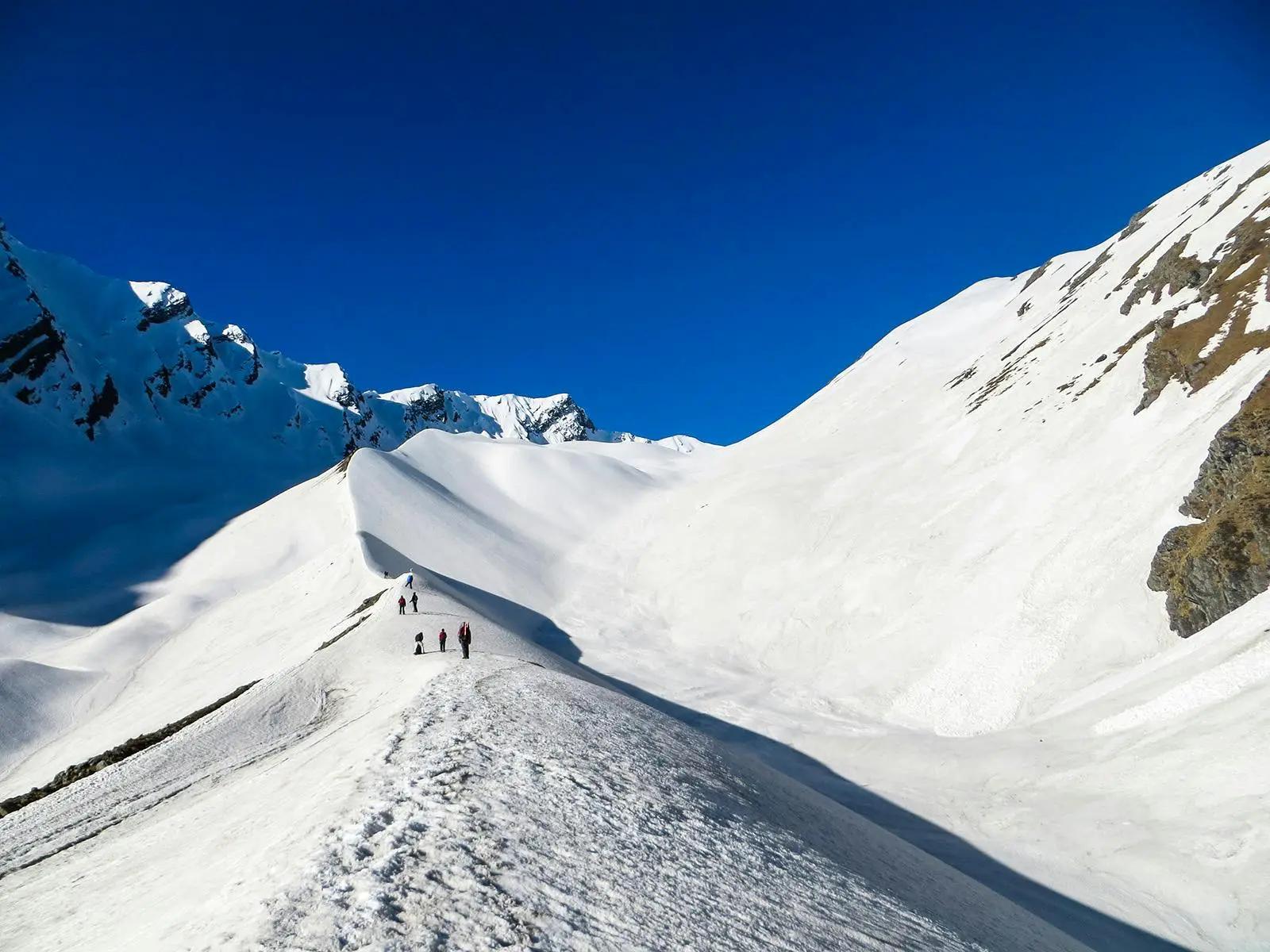
The Bali Pass trek is a high-altitude glacier crossing in Uttarkashi, Uttarakhand, connecting Har Ki Dun valley to Yamunotri at 4,850 m (15,912 ft) over 9 days
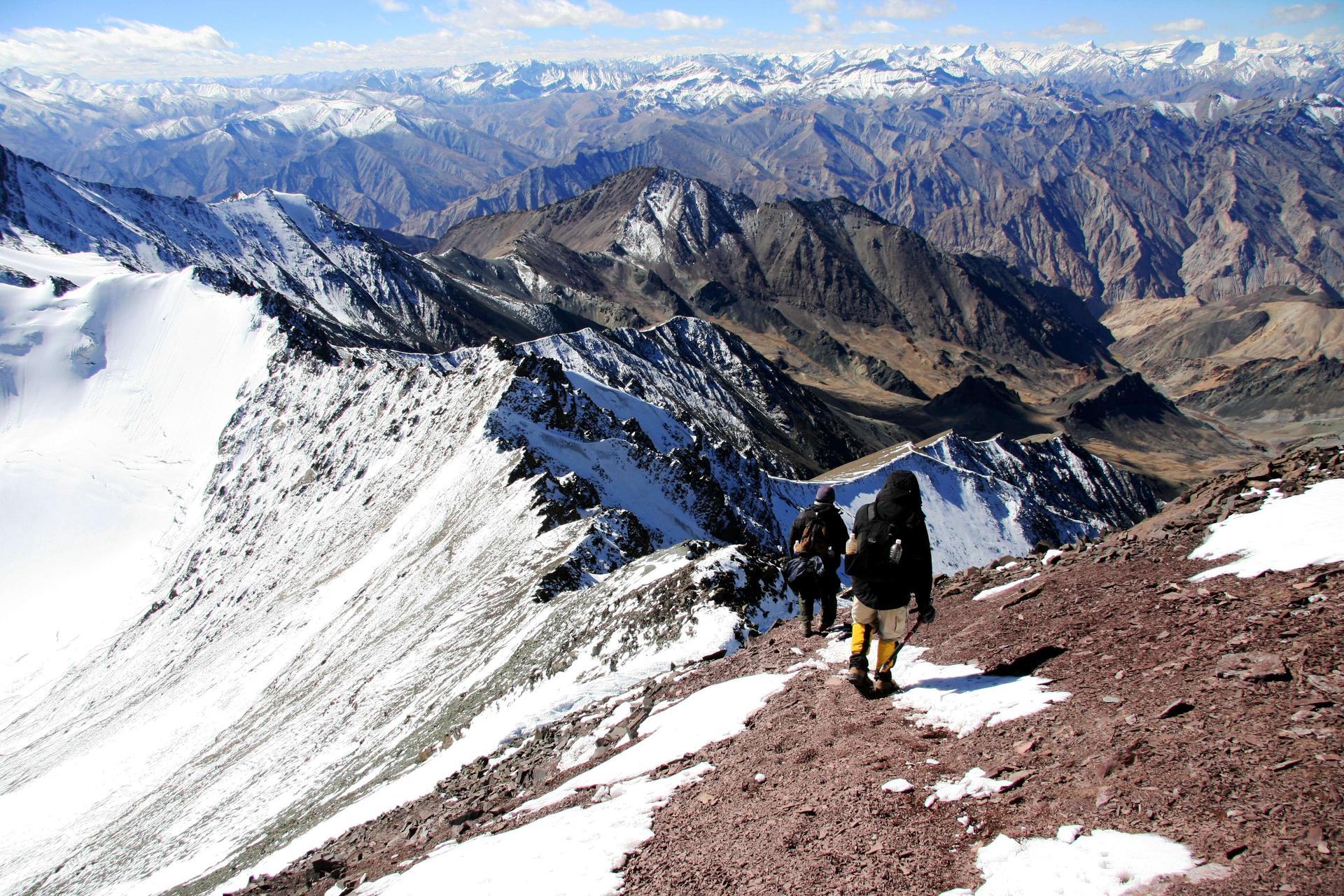
The Stok Kangri trek is a high-altitude mountaineering route in Ladakh, India, reaching a summit of 6,153 metres — one of India's most accessible 6,000m+ peaks.
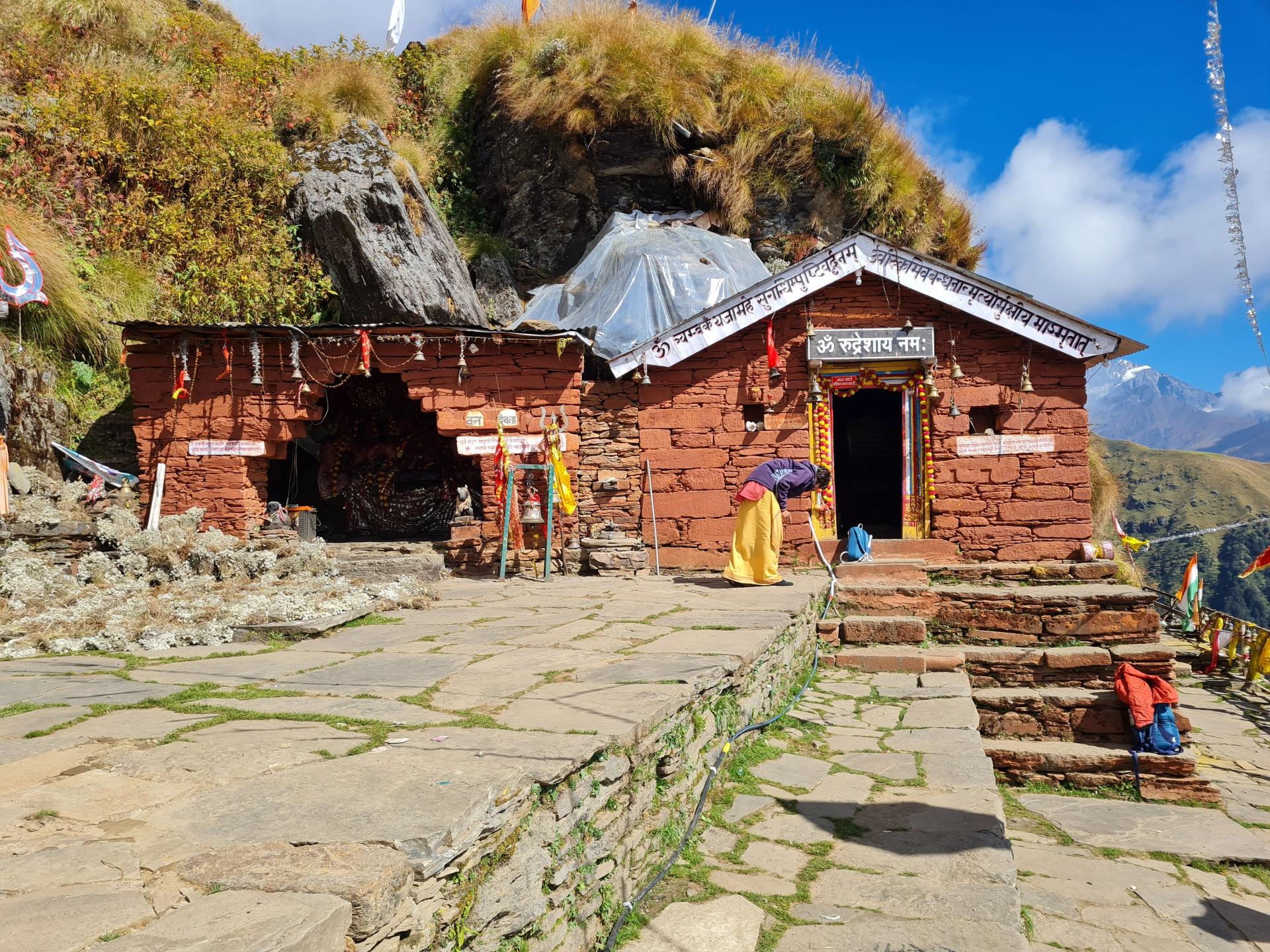
The Rudranath Trek is a 24 km one-way trail in Chamoli, Uttarakhand, reaching the most remote Panch Kedar shrine at 3,600 m (11,800 ft).
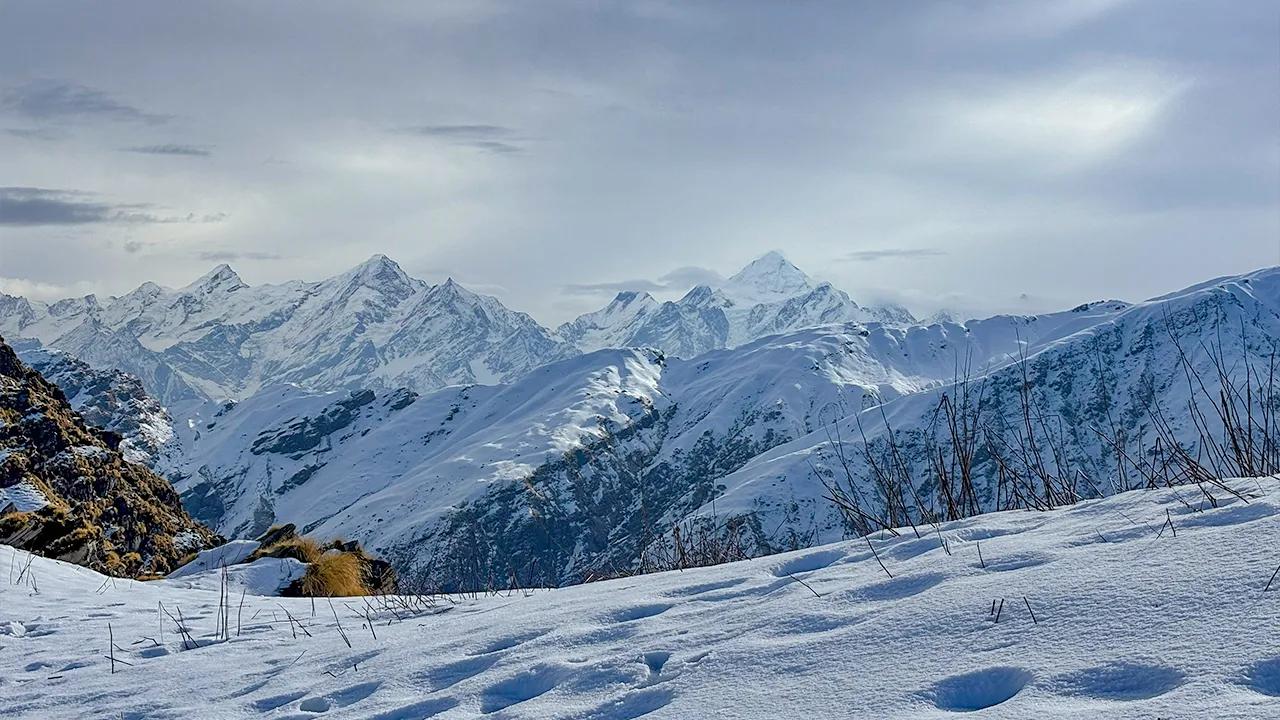
The Ranthan Kharak trek is a high-altitude trail in Uttarakhand's Kedarnath Wildlife Sanctuary, reaching ~3,800–4,000 m, covering ~25–30 km round trip.
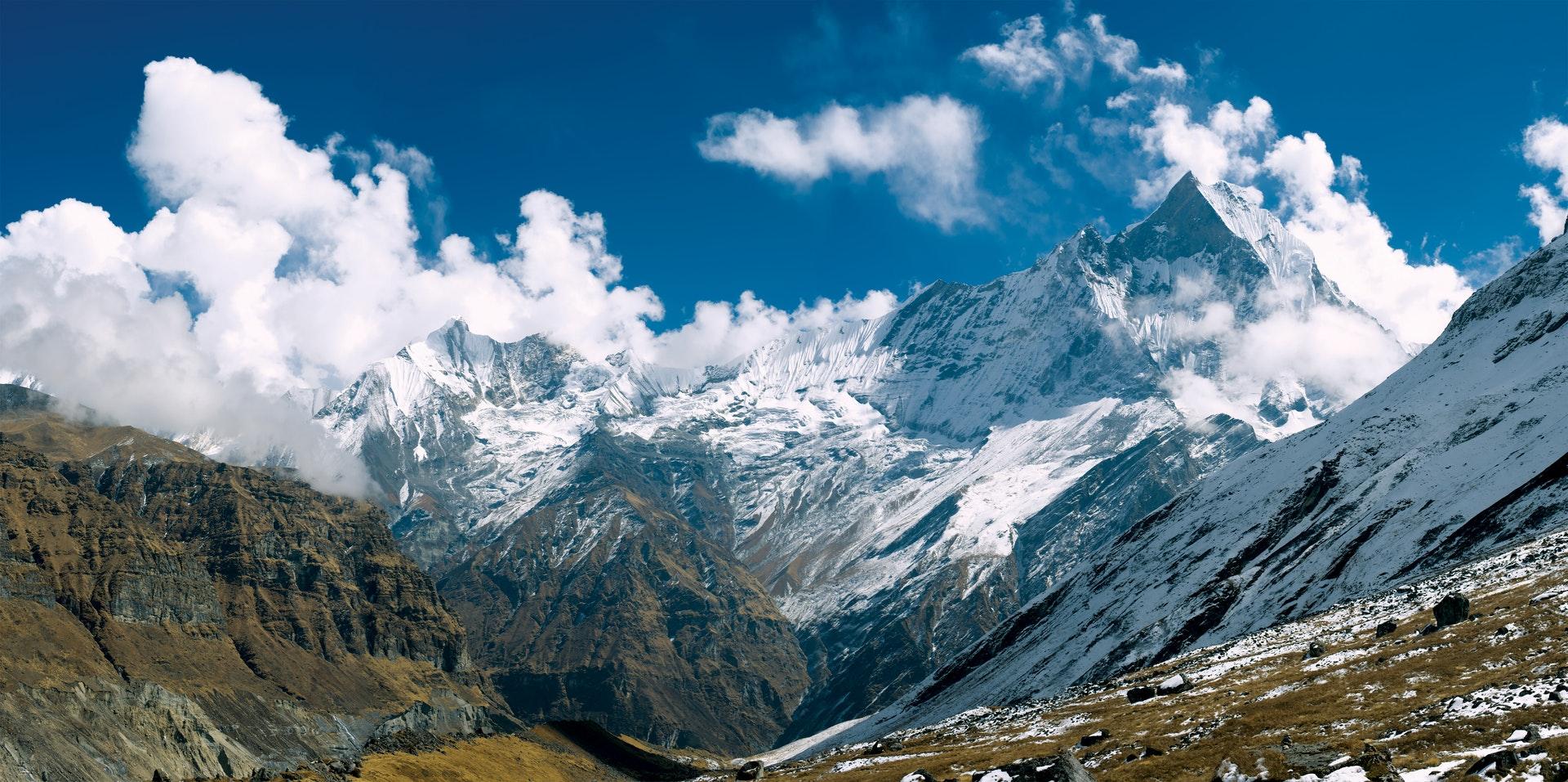
The Nanda Devi East Base Camp trek is a 10–12 day, 75–80 km round-trip from Munsiyari to ~5,200 m in Uttarakhand, graded Difficult.
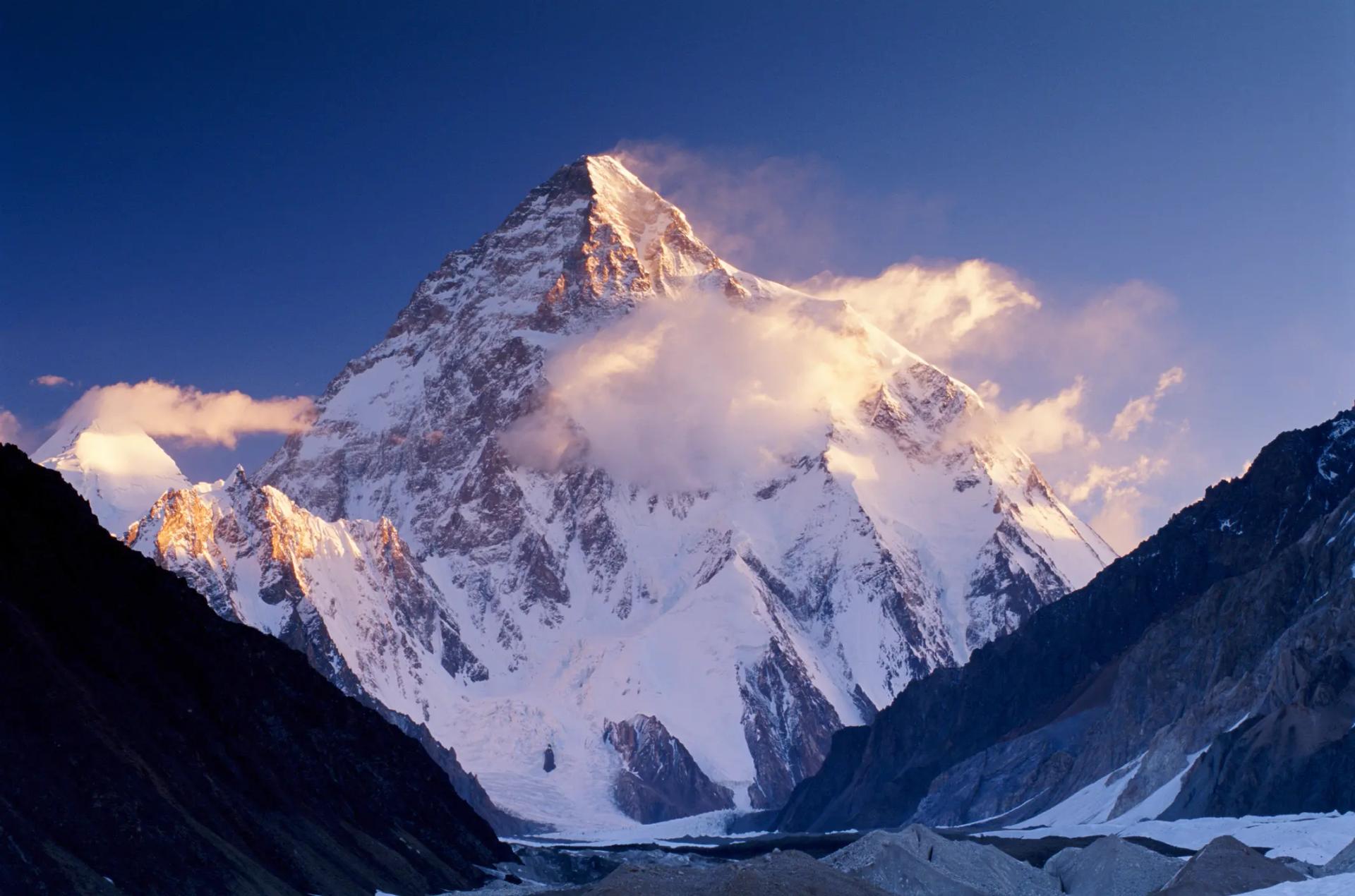
Planning the K2 Base Camp trek from India in 2026? Complete guide covering route, permits, visa, cost (INR), itinerary & best time for Indian trekkers.
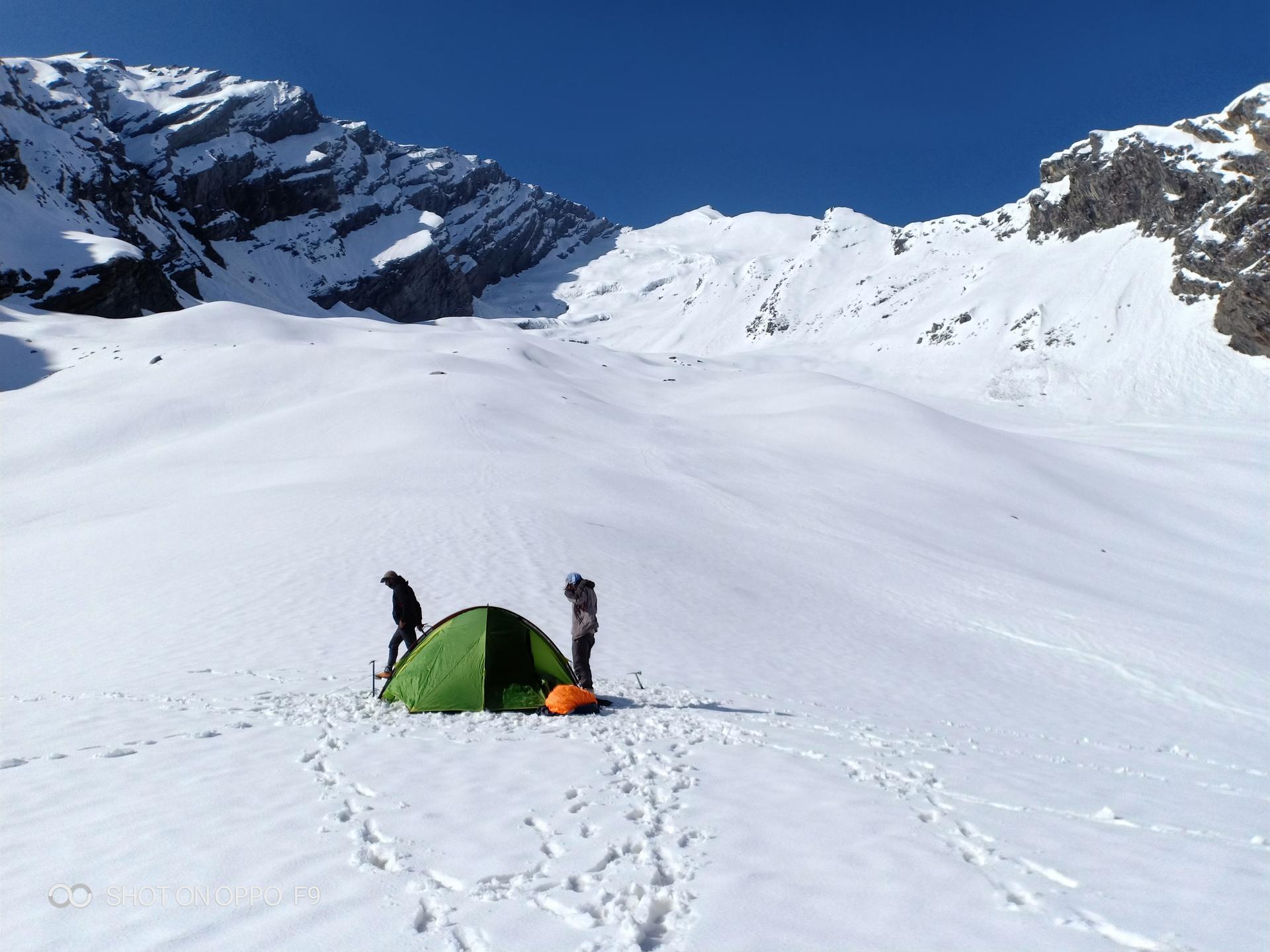
The Friendship Peak Base Trek is a 5–6 day moderate-to-difficult trek in Himachal Pradesh, starting at Dhundi (2480m) near Manali and reaching base camp at 4800–5000m beneath the 5289m summit.
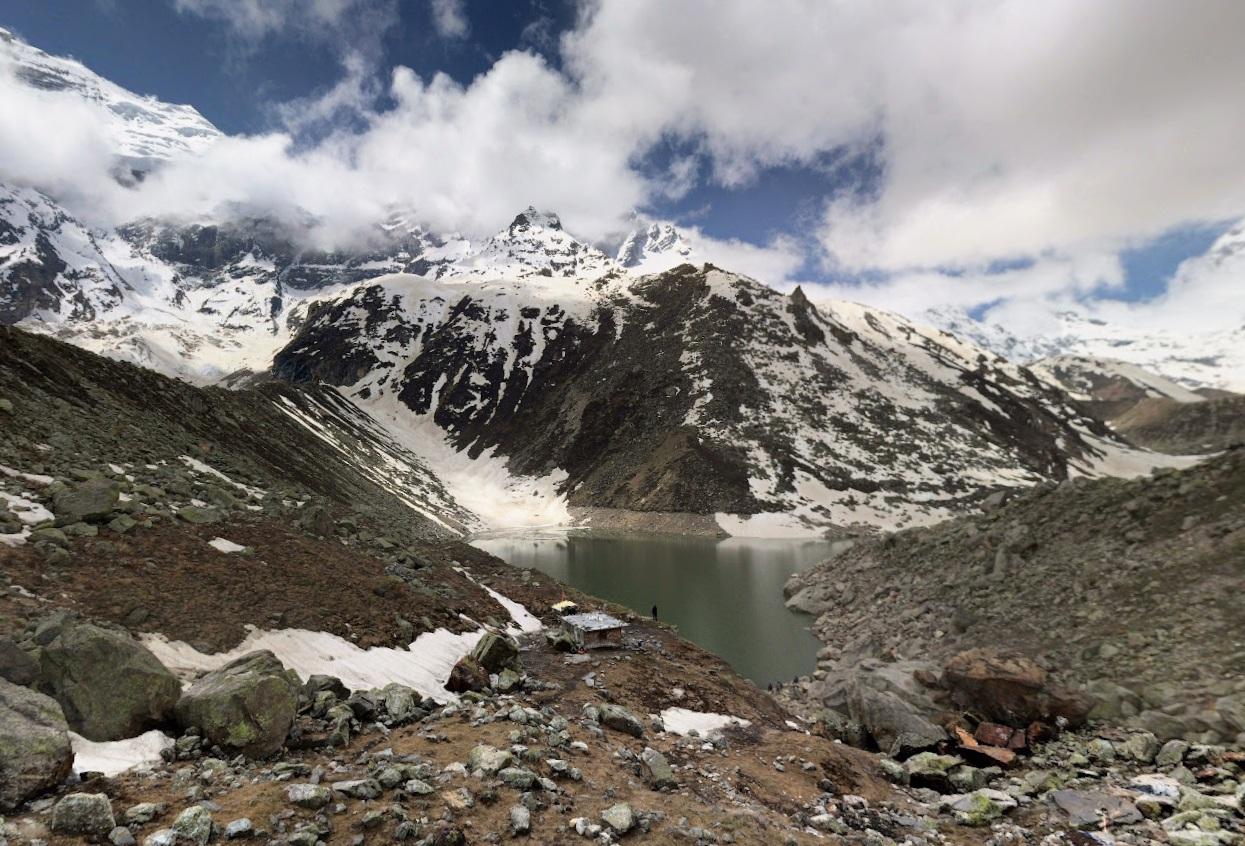
Satopanth Lake trek: 48 km round trip from Mana Village to a 4,600 m glacial lake in Uttarakhand, rated Difficult, best done September–October.
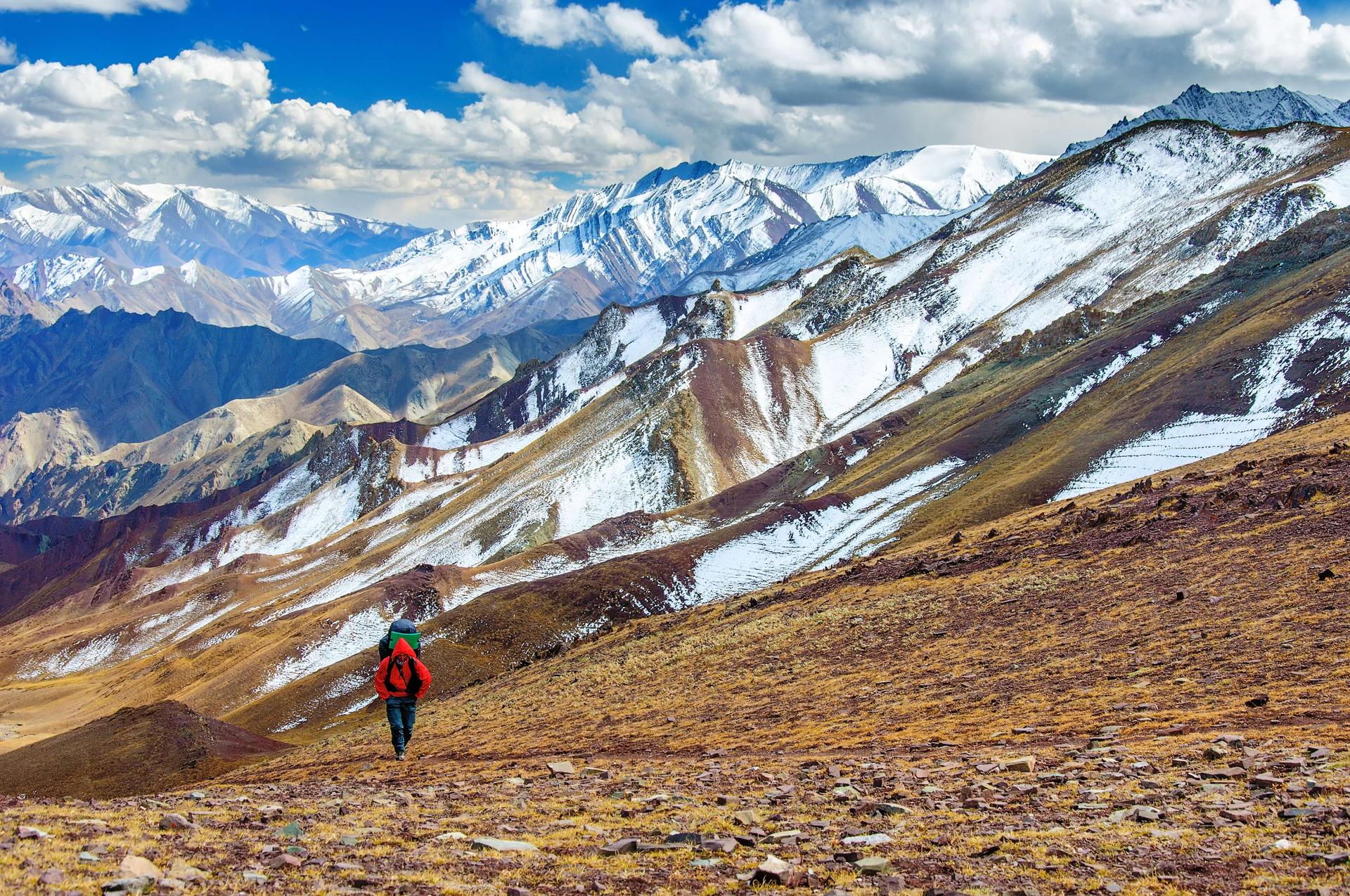
The Markha Valley trek is a 65–80 km trail in Ladakh crossing Kongmaru La (5,200m), passing remote villages and Hemis National Park over 7–9 days.
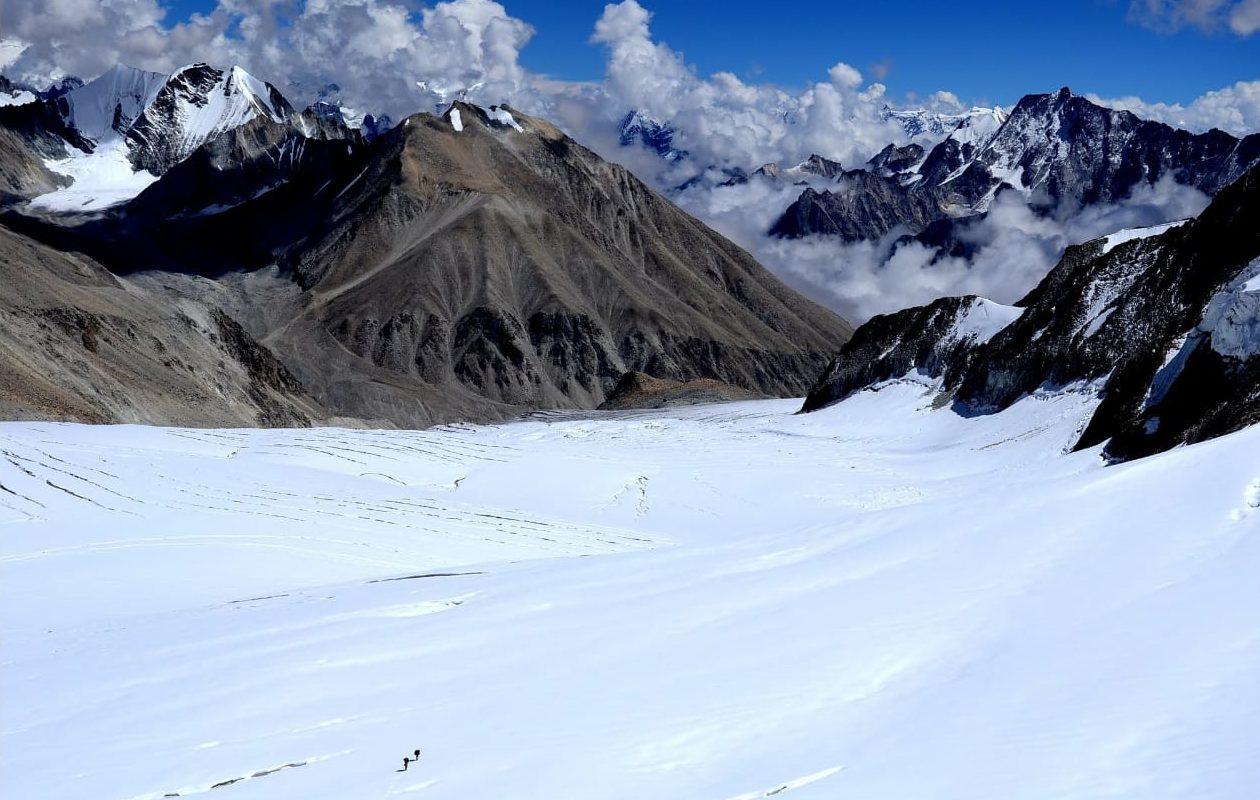
The Kalindi Khal trek is a 10–14 day high-altitude glacier crossing in the Garhwal Himalayas, linking Badrinath to Gangotri via a 5,946 m pass.
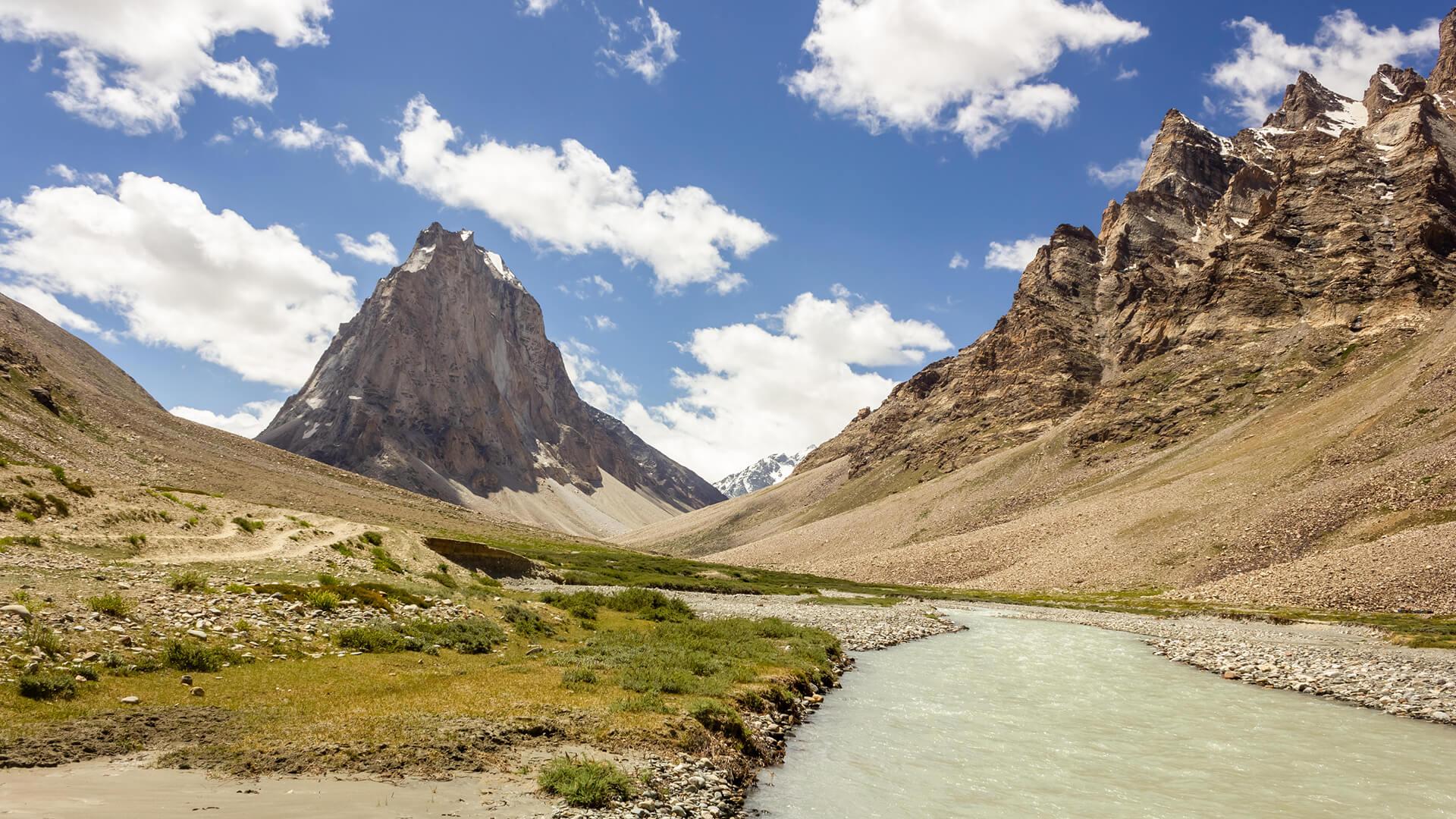
The Padum to Darcha trek covers ~115–120 km in 8–9 days, crossing Shingo La (~5,060 m) between Zanskar and Lahaul.
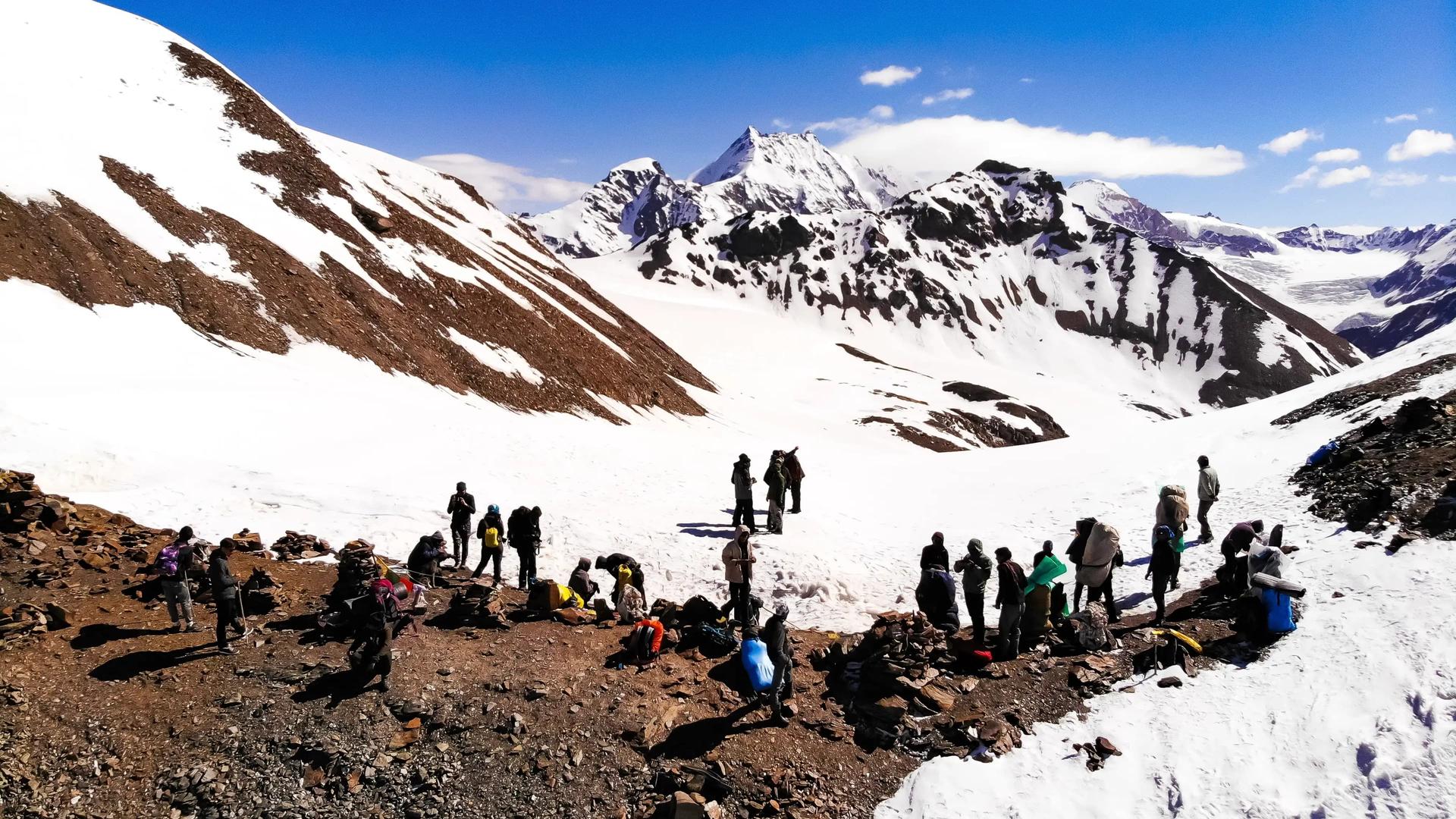
Complete Pin Parvati Pass trek guide 2026: route, itinerary, permits, costs, best time, packing list & safety tips for this 110km Himachal crossing at 5,319m.
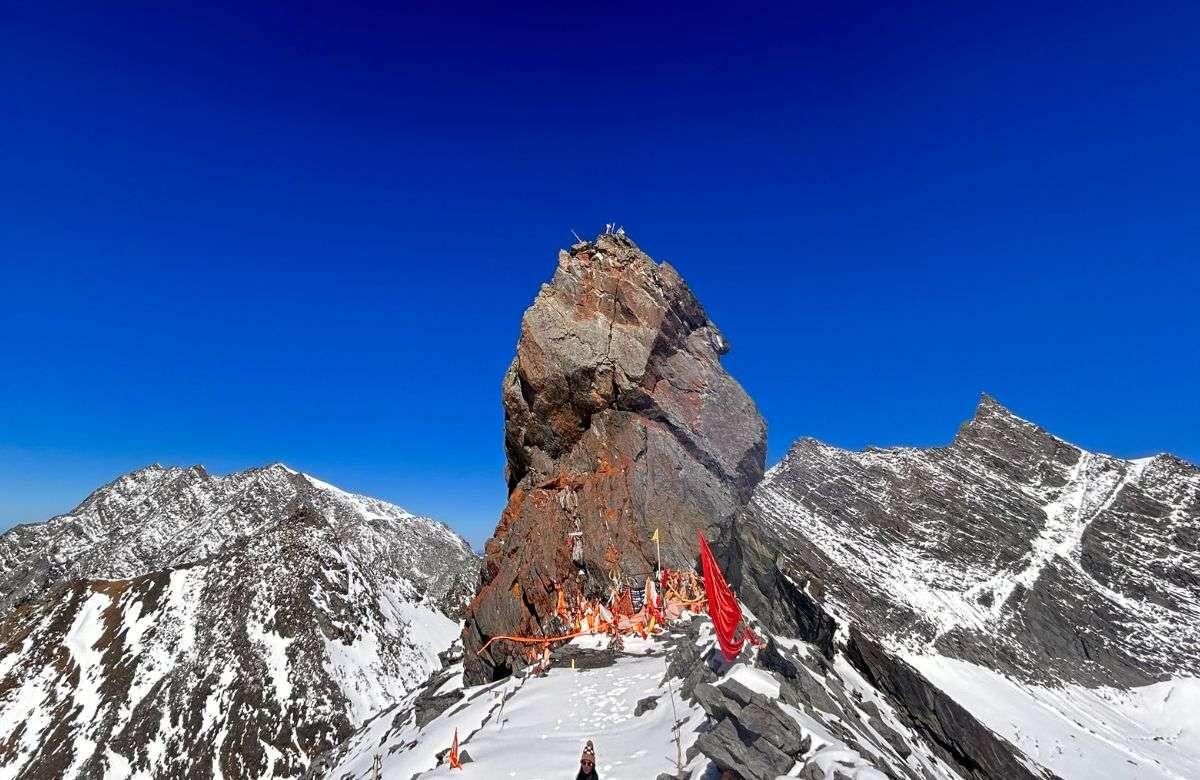
The Shrikhand Mahadev trek is an extreme Himalayan pilgrimage in Kullu, Himachal Pradesh, reaching a sacred Shiva lingam at 5,227 m
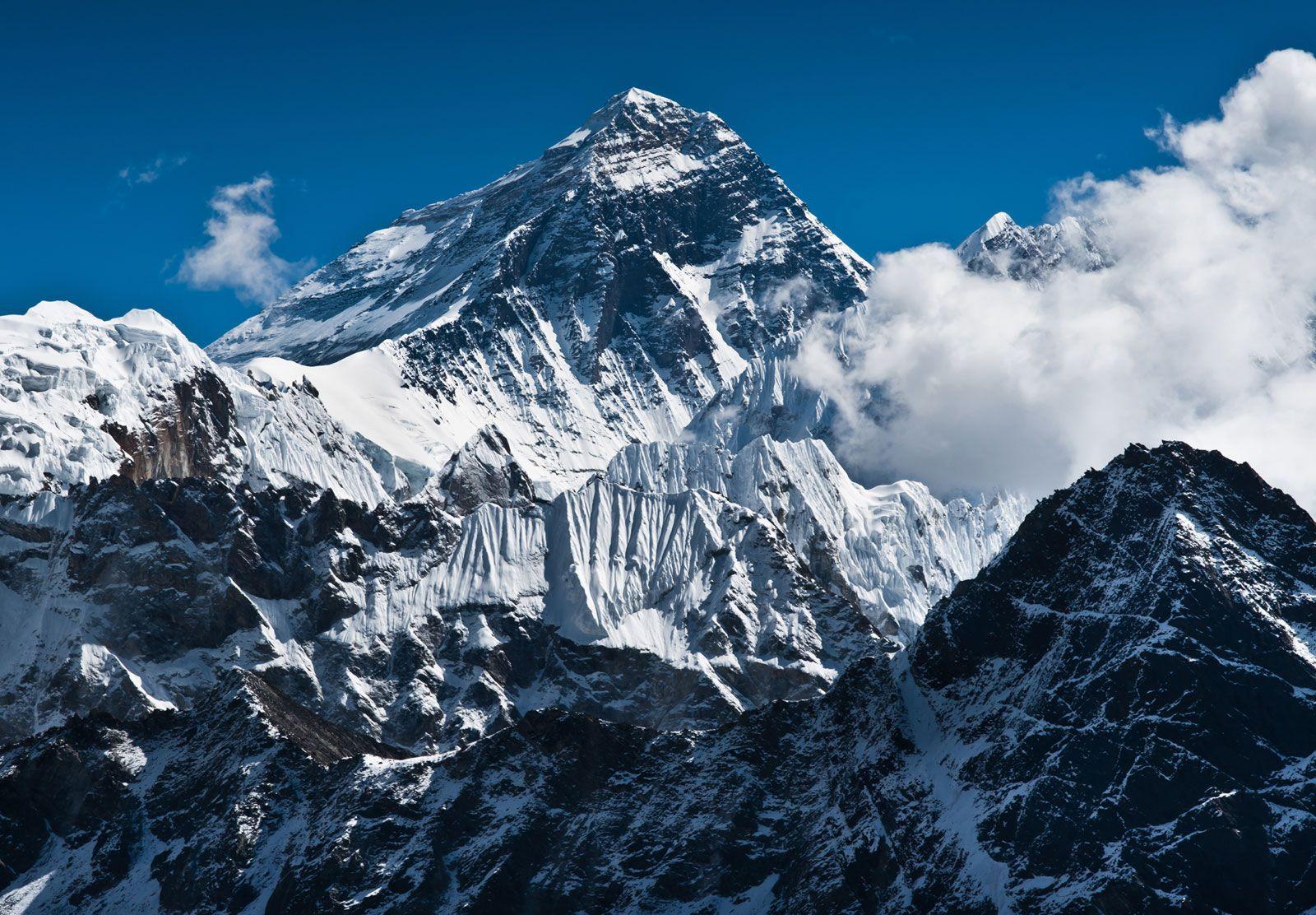
The Mount Everest trek to Base Camp (EBC) is a 130 km, 14–16 day trek reaching 5,364 m, best done in spring or autumn.
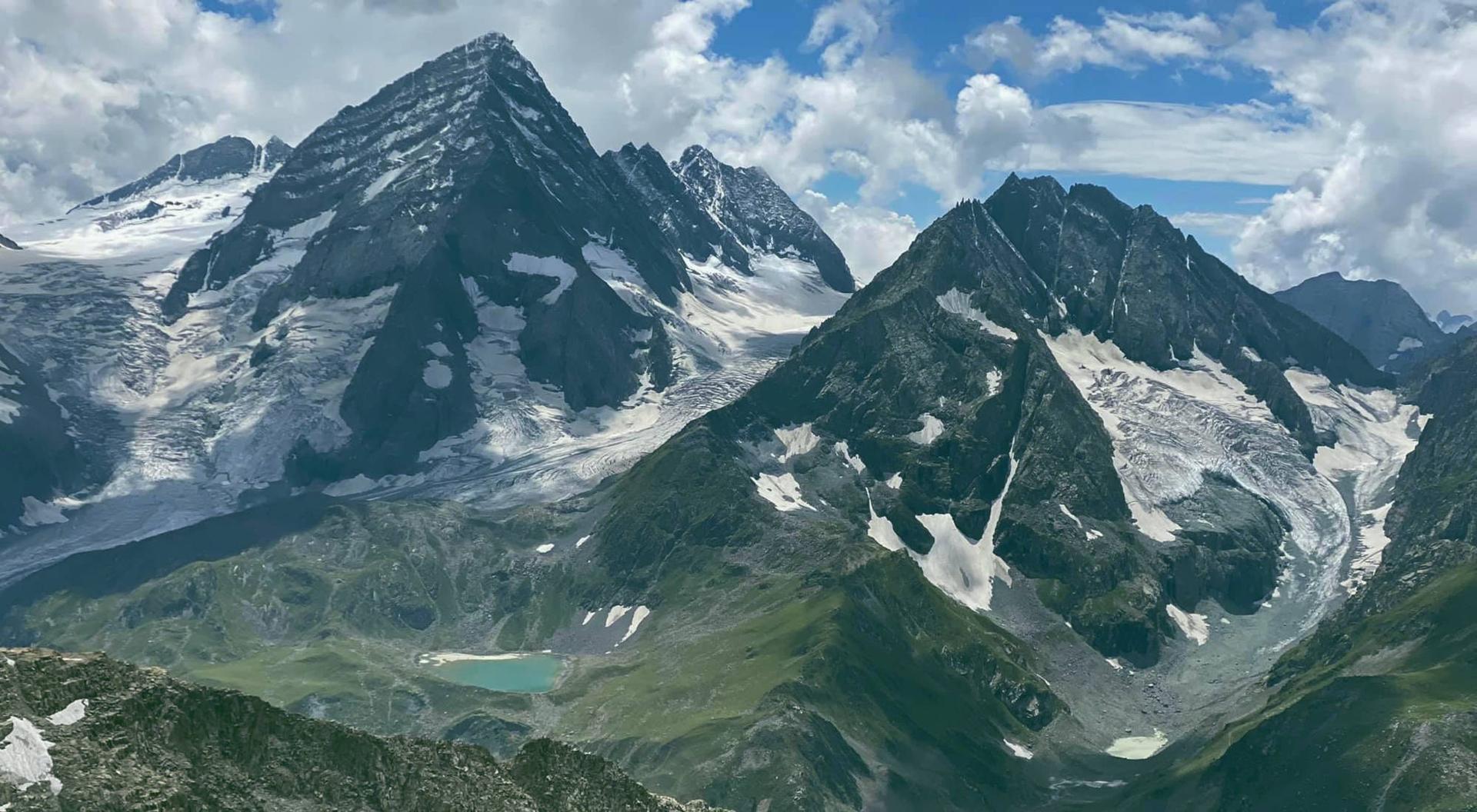
The Kolahoi Glacier Trek is a moderate-to-challenging 6-day route from Aru Valley near Pahalgam to Kashmir's largest glacier at 4,100 m.
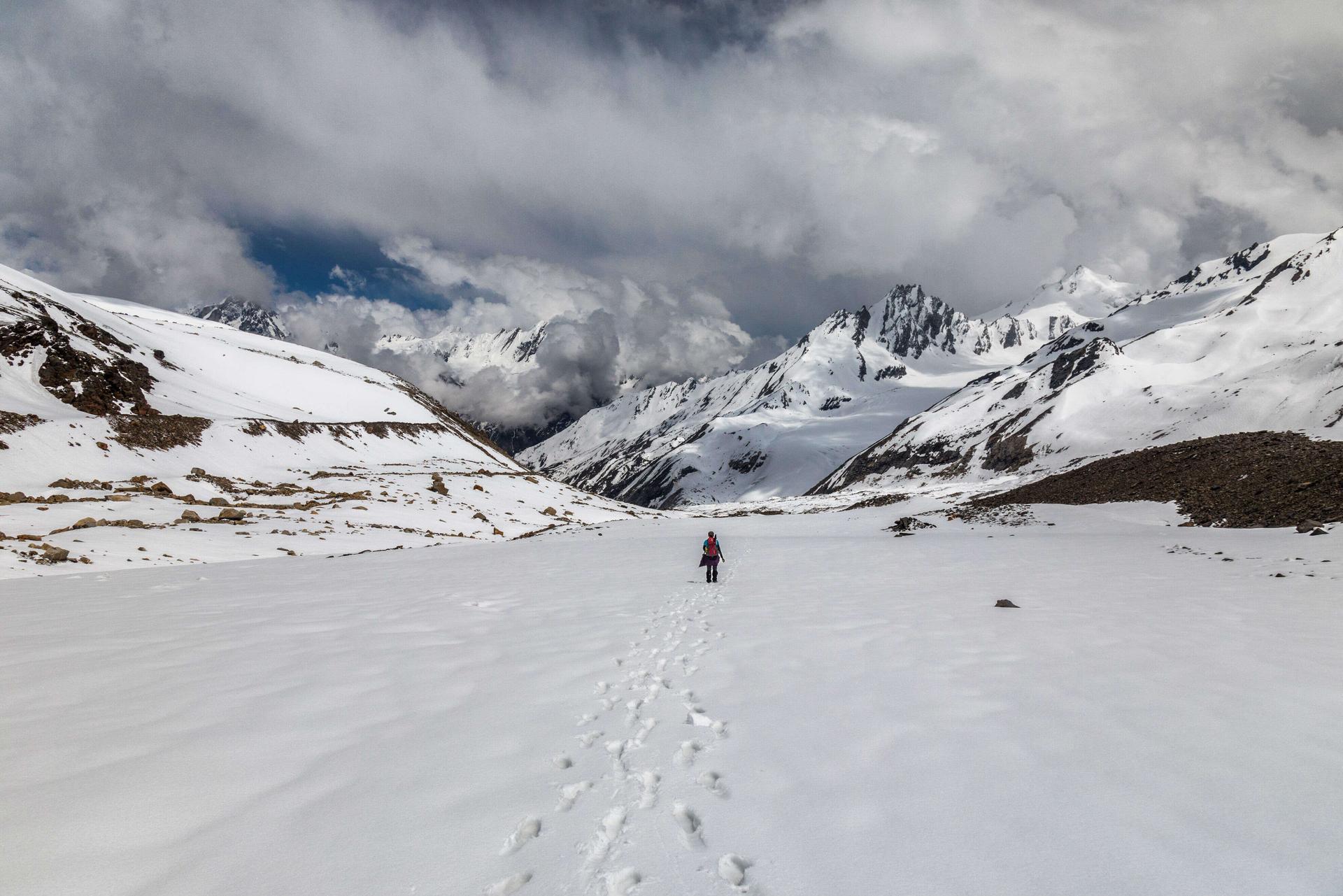
Auden's Col trek is a 14–16 day extreme-grade glaciated crossing in Uttarakhand, connecting Gangotri to Ghuttu via a col at ~5,490 m.
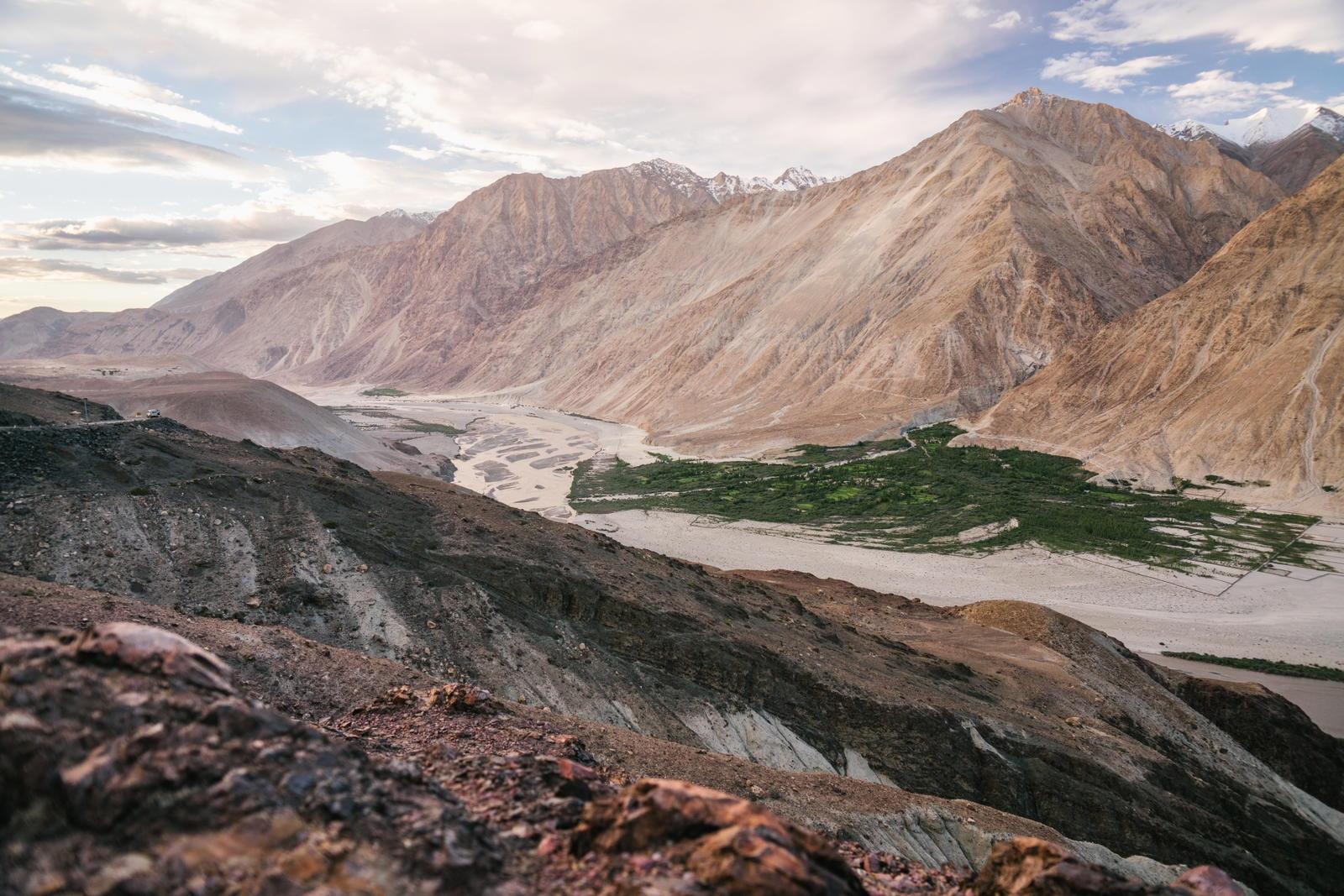
The Nubra Valley trek is a 65–90 km high-altitude route in Ladakh crossing Khardung La (5,359 m) into a cold-desert valley at 3,048 m, completed in 7 days.
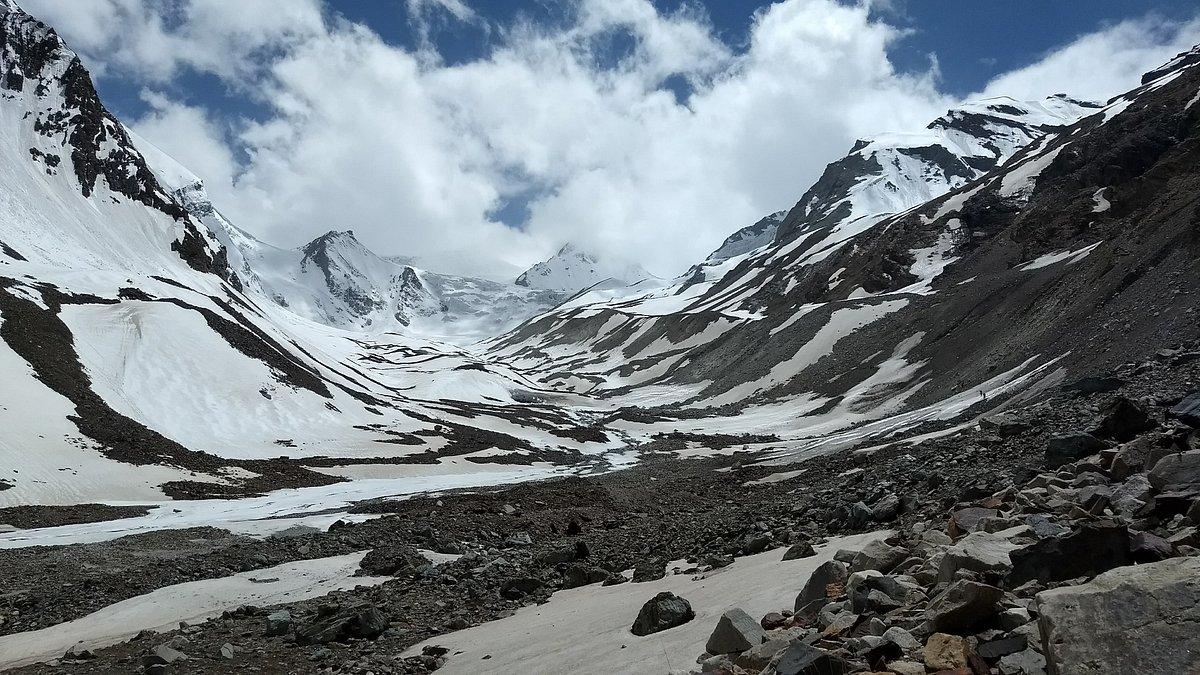
Lamkhaga Pass Trek connects Chitkul (Himachal Pradesh) to Harsil (Uttarakhand) via a 5,282 m glaciated crossing — a 7–8 day, Grade D route for experienced Himalayan trekkers only.
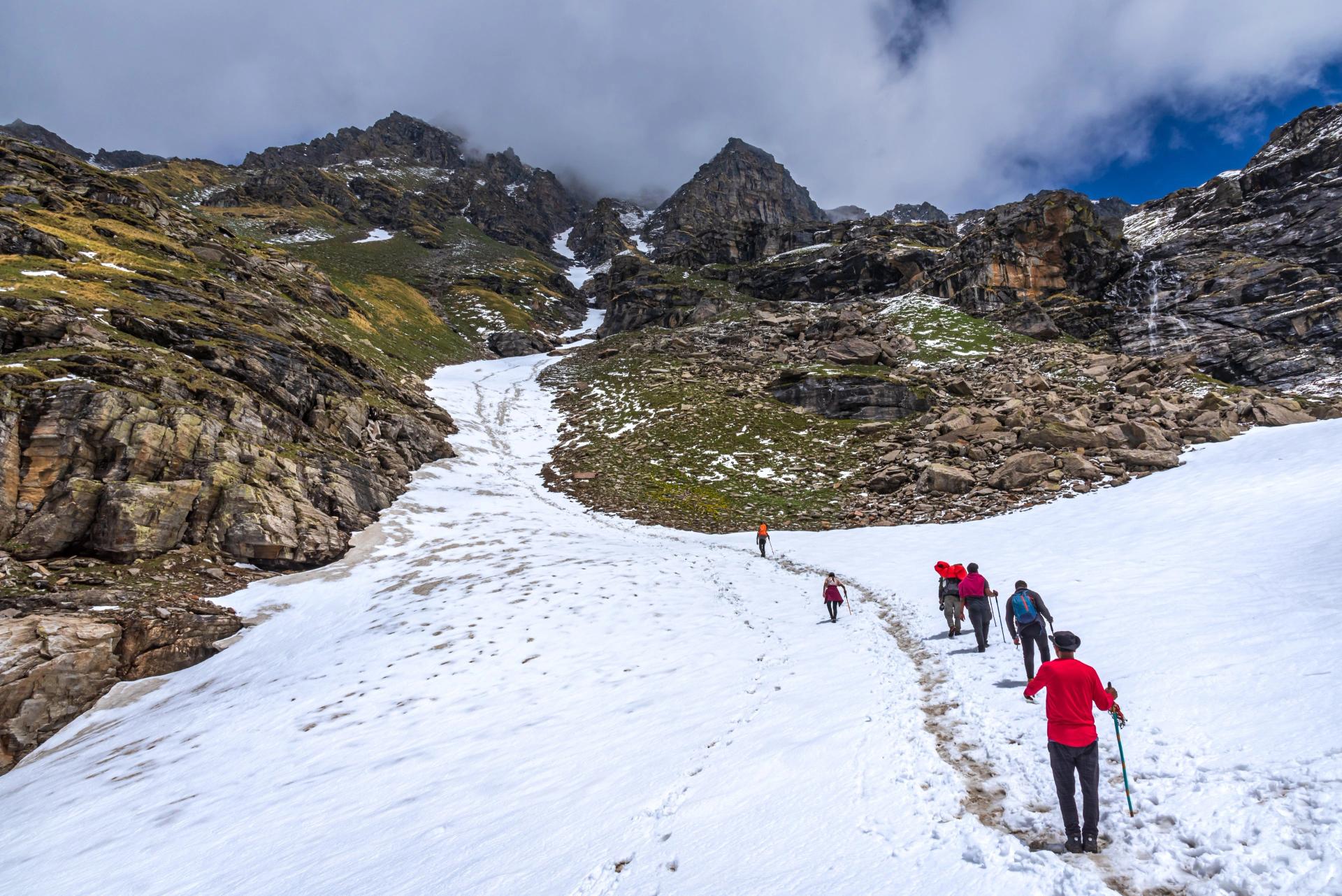
Rupin Pass trek covers ~52 km in Uttarakhand & Himachal Pradesh, reaching 15,250 ft (4,650 m). Graded Difficult. Best time: mid-May to mid-June or late Sep–Oct.
A challenging trek is not a harder version of a weekend hike. It assumes a base you have to build first. Before you book, you should have completed at least two or three moderate multi-day treks, slept above 12,000 ft without altitude trouble, and be comfortable on loose or steep ground.
Above 3,500 metres, altitude is the single biggest risk, ahead of terrain or weather. Ascend slowly, keep hydrated, and learn the early signs of Acute Mountain Sickness. If a headache, nausea or breathlessness worsens, descend immediately. HAPE and HACE are emergencies. No summit is worth pushing through them.
Read the full altitude and safety guide before any trek above 4,000 metres, and pick post monsoon autumn dates for the clearest, most stable window.
Most challenging routes sit inside national parks or restricted border zones, which means inner line or protected area permits and a mandatory certified guide. Ladakh, Sikkim and the high Garhwal all have their own paperwork. Check the permit guides and, for the biggest peaks, browse Ladakh where nearly every trek runs above 3,500 metres.
| Cardio | Run 5 km under 32 minutes, or 45 minutes of brisk incline walking without stopping |
| Load carry | Walk 8–10 hours with a 10 kg pack across consecutive days |
| Strength | 3 sets of 15 step-ups with pack, plus core work, 3 times a week |
| Experience | At least 2–3 completed moderate multi-day treks above 12,000 ft |
| Acclimatisation | One or two buffer days built into the itinerary for altitude |
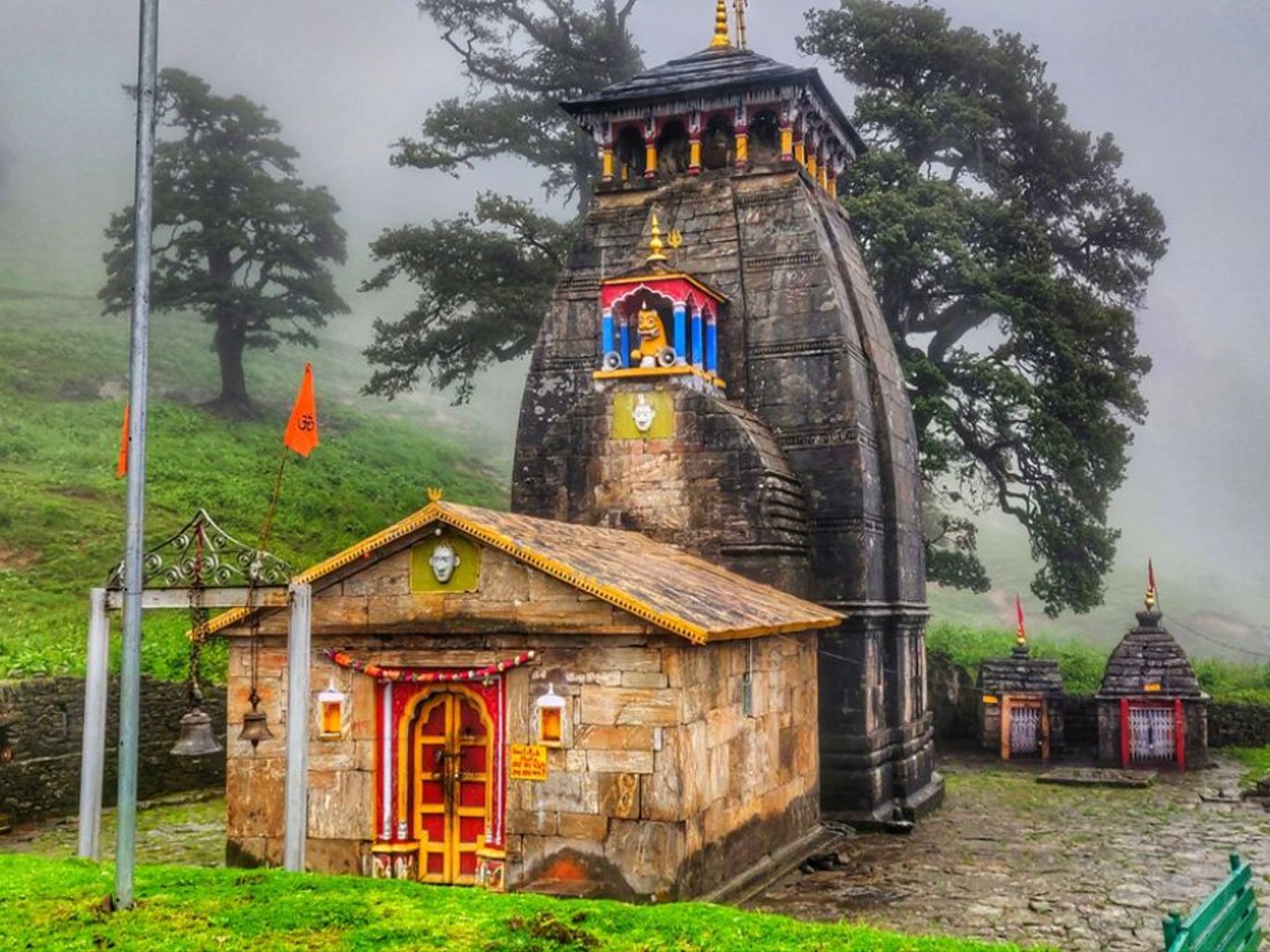
The Madmaheshwar Trek is a moderate 48 km round-trip trek in Uttarakhand reaching a sacred Shiva temple at 3,497 m — open May to November, permit required.
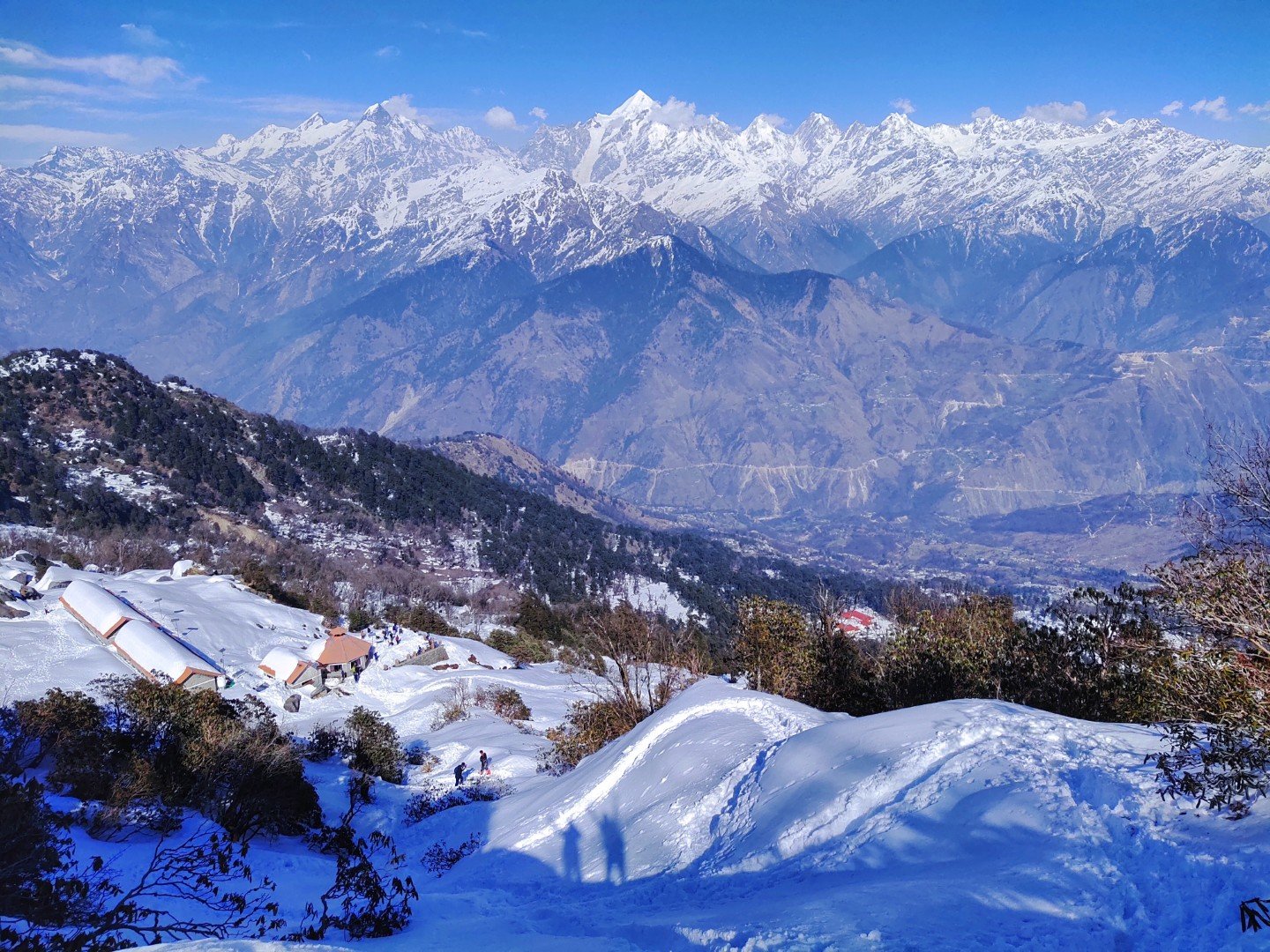
Khaliya Top trek is a 6 km, easy-to-moderate trail from Munsiyari (2,200 m) to a 3,500 m alpine meadow, offering unobstructed Panchachuli views with no technica
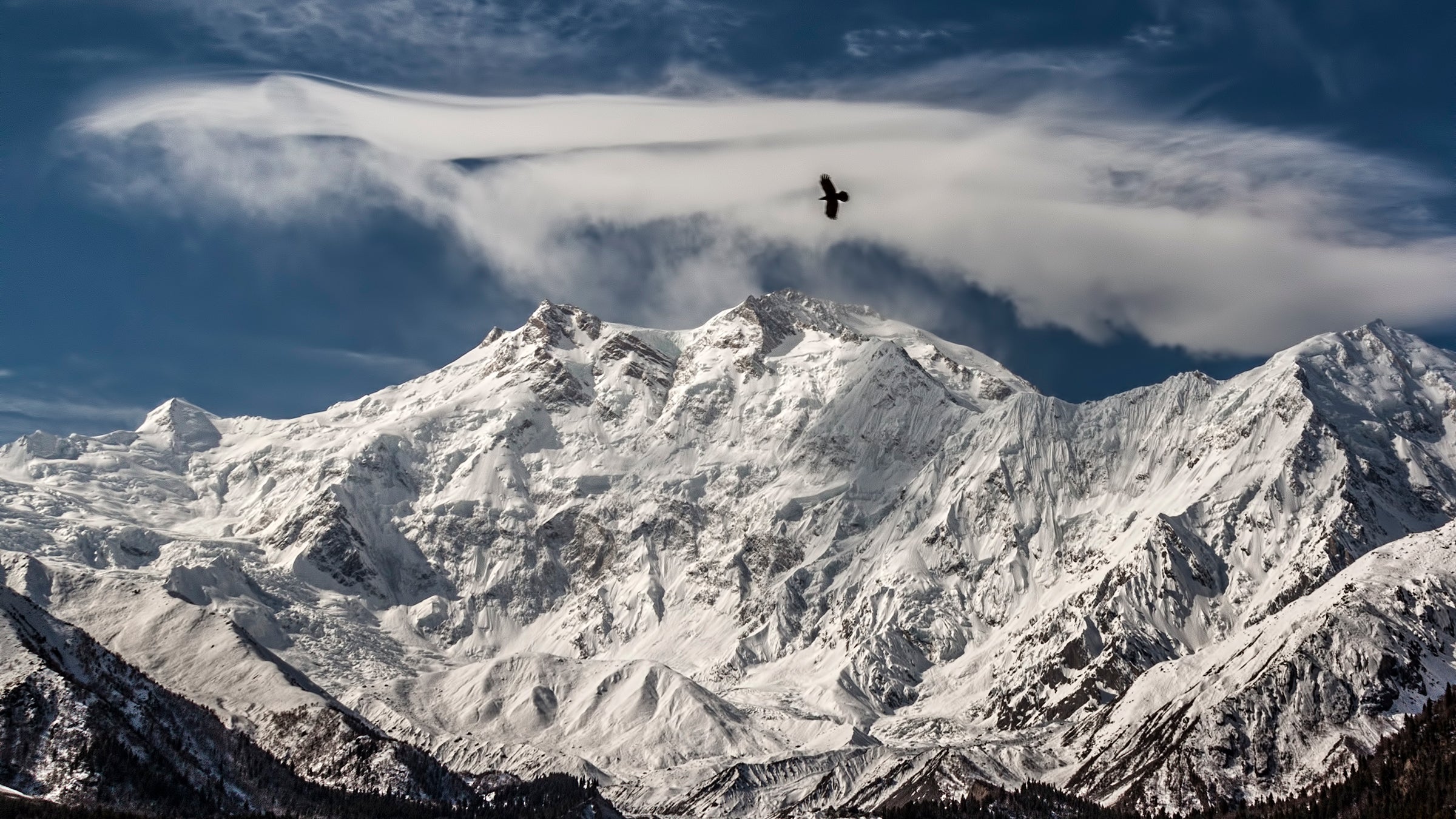
The Nanga Parbat trek is a 7–9 day route in Pakistan's Gilgit-Baltistan to base camps of the world's 9th highest peak, starting from Fairy Meadows at 2,865 m.
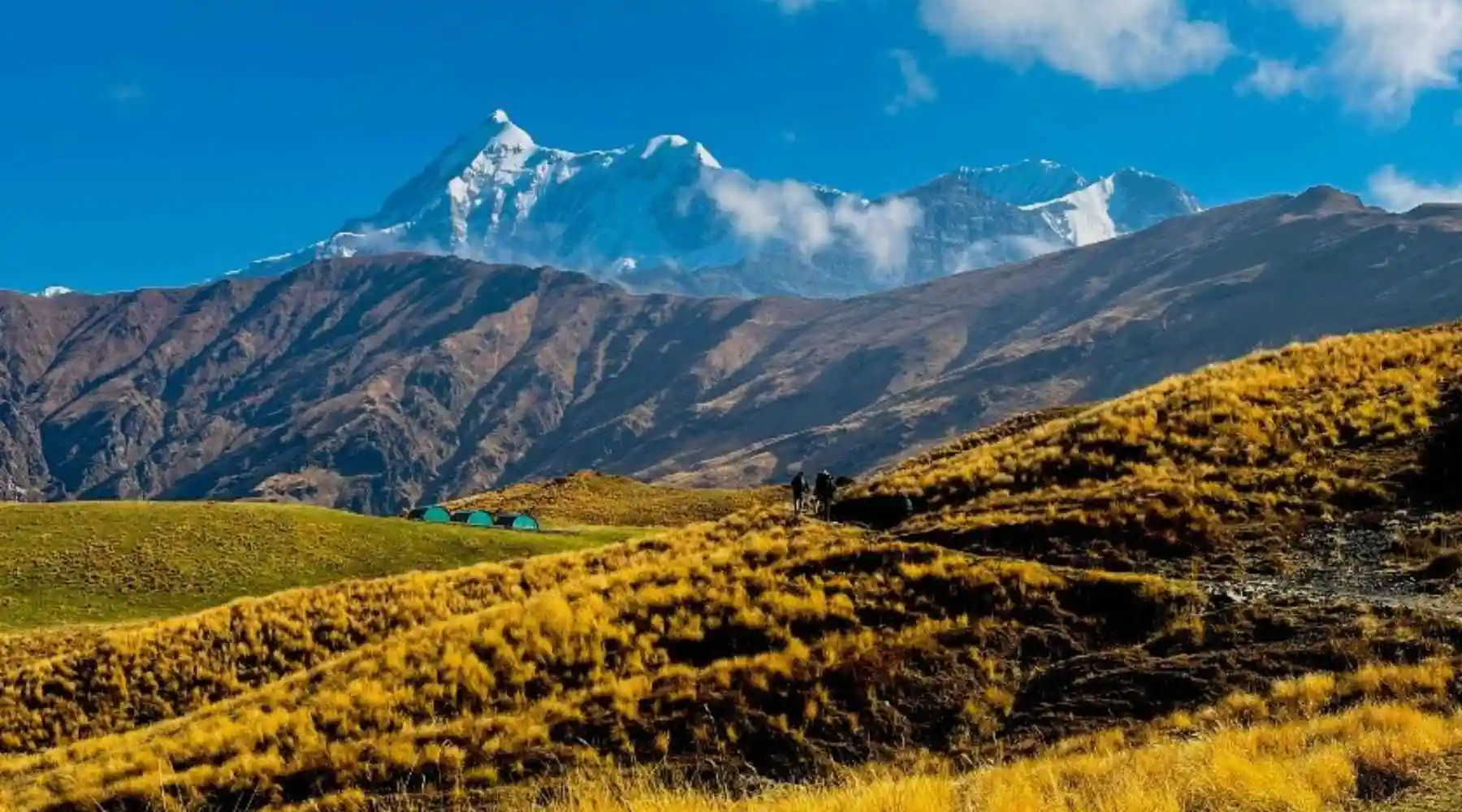
The Ali Bedni Bugyal trek is a 3-night, 4-day beginner-friendly trek in Chamoli, Uttarakhand, reaching ~3,450 m with panoramic Himalayan views.
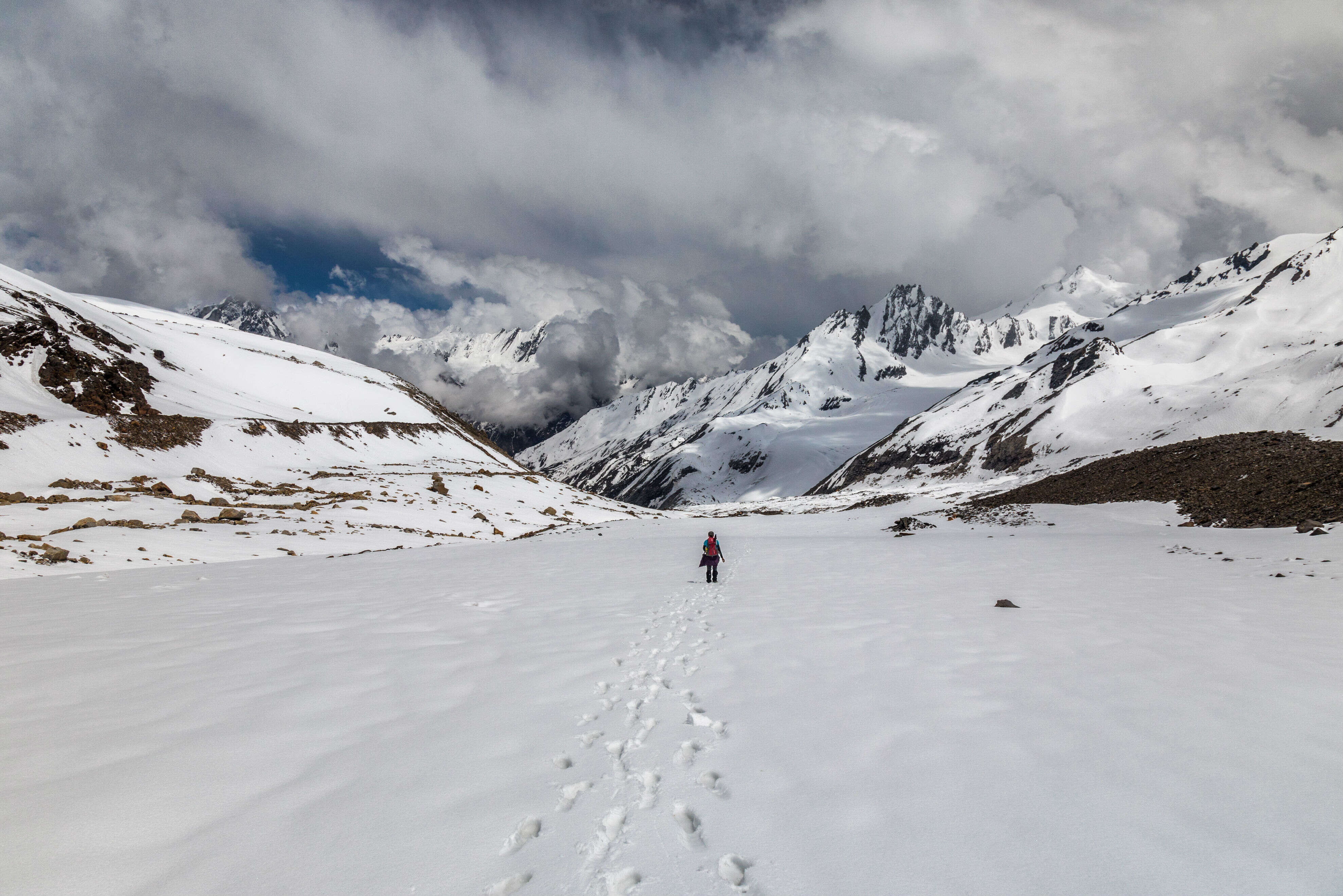
Auden's Col trek is a 14–16 day extreme-grade glaciated crossing in Uttarakhand, connecting Gangotri to Ghuttu via a col at ~5,490 m.
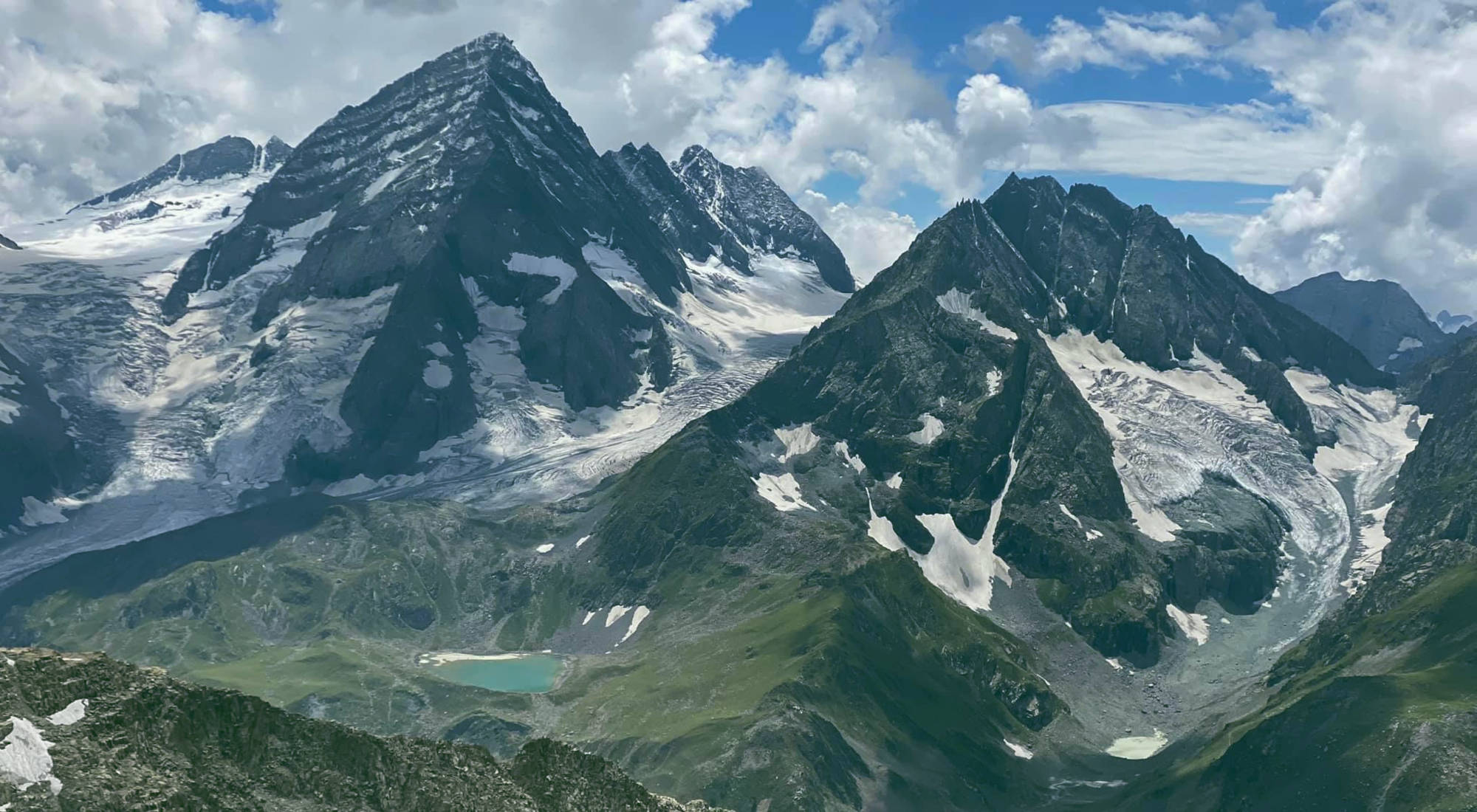
The Kolahoi Glacier Trek is a moderate-to-challenging 6-day route from Aru Valley near Pahalgam to Kashmir's largest glacier at 4,100 m.
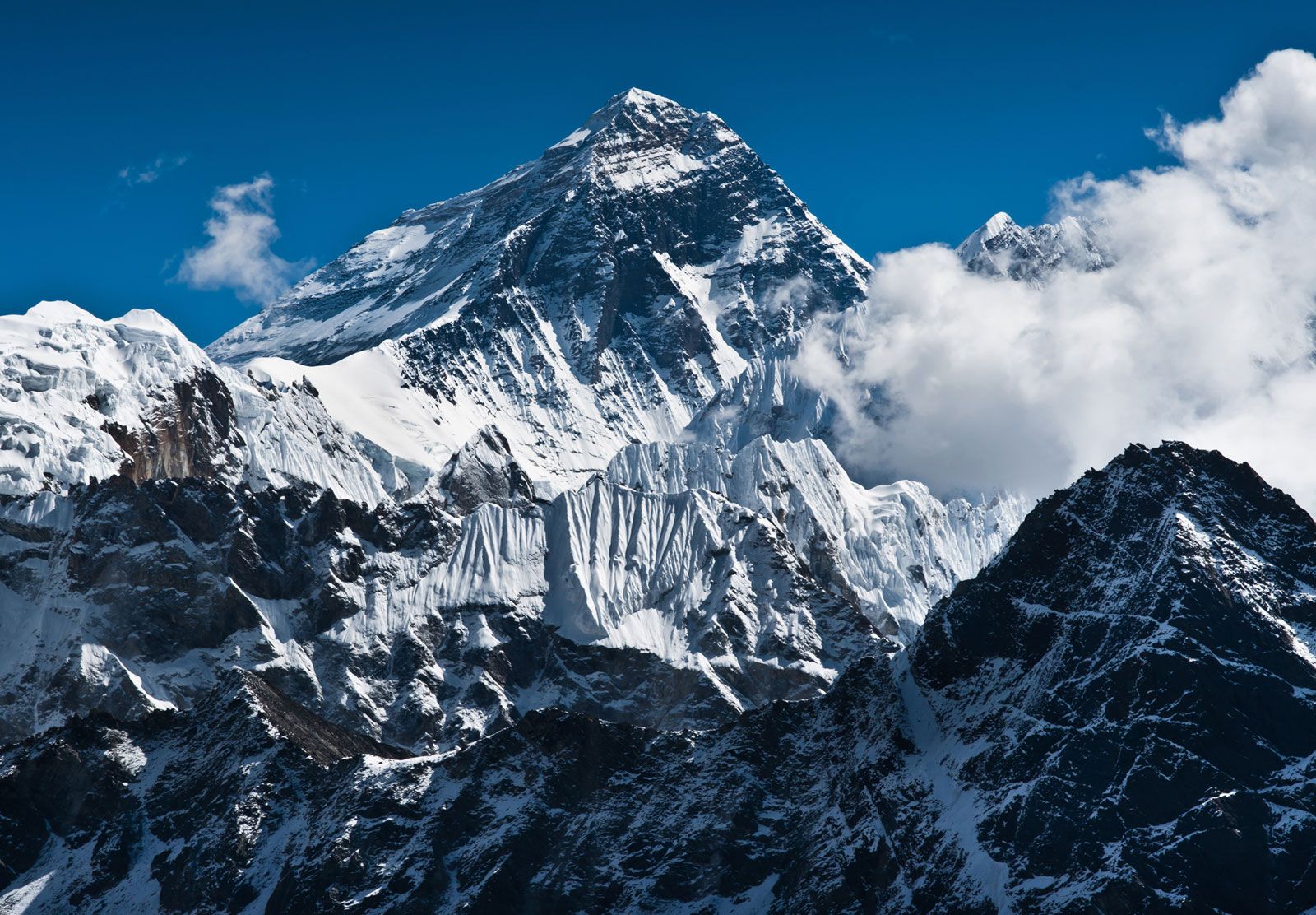
The Mount Everest trek to Base Camp (EBC) is a 130 km, 14–16 day trek reaching 5,364 m, best done in spring or autumn.
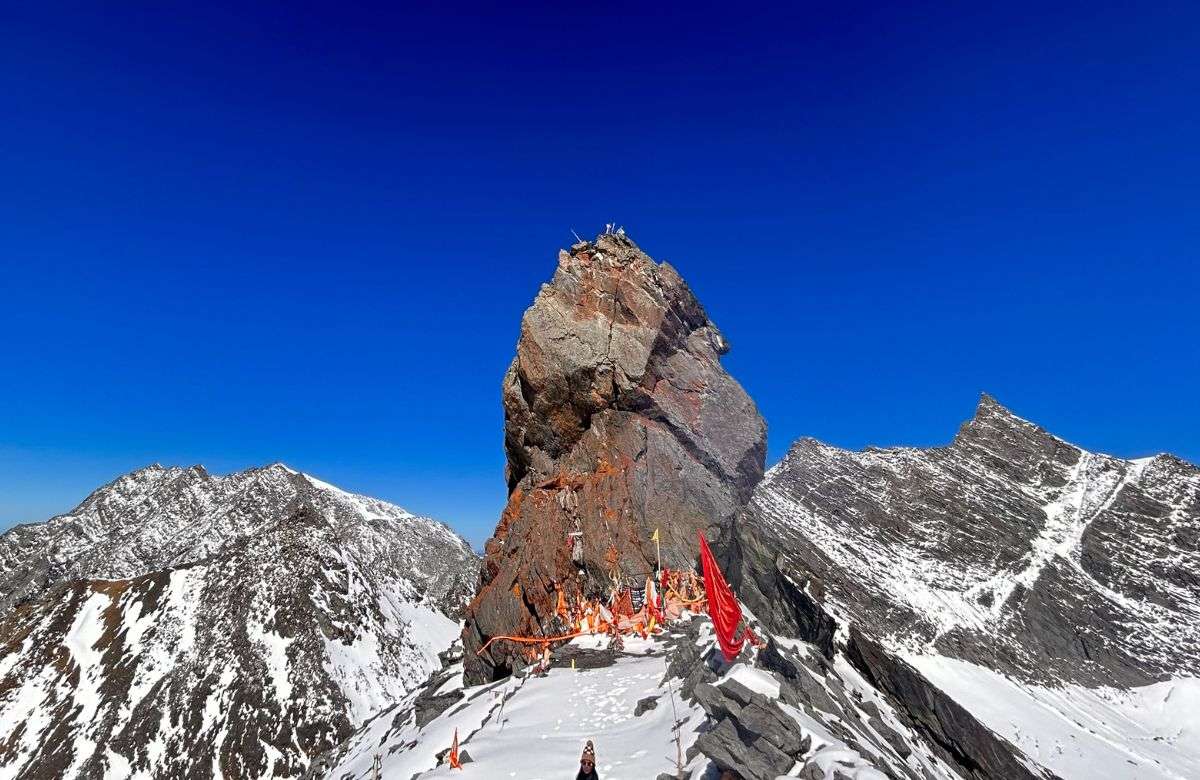
The Shrikhand Mahadev trek is an extreme Himalayan pilgrimage in Kullu, Himachal Pradesh, reaching a sacred Shiva lingam at 5,227 m
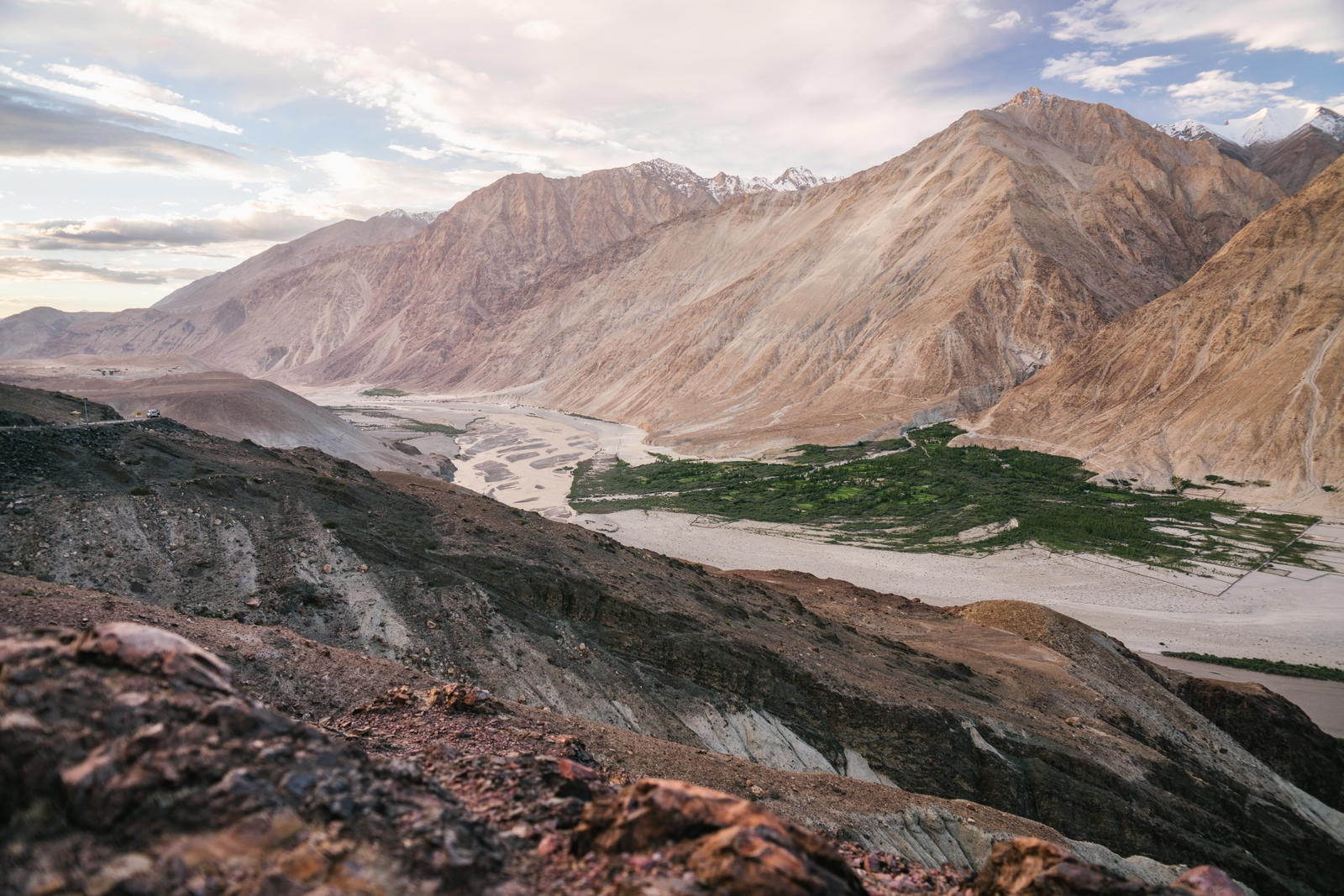
The Nubra Valley trek is a 65–90 km high-altitude route in Ladakh crossing Khardung La (5,359 m) into a cold-desert valley at 3,048 m, completed in 7 days.
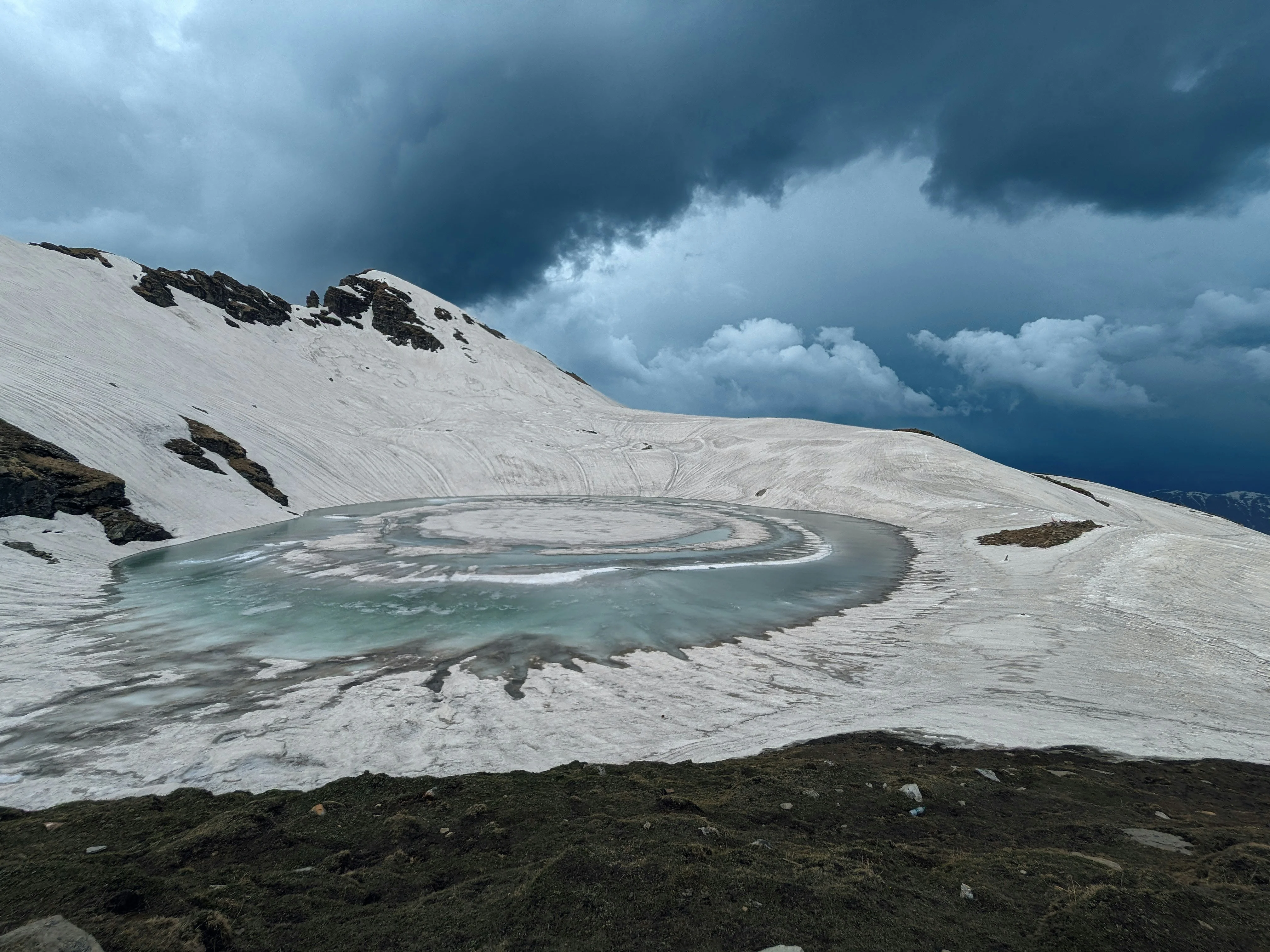
The Bhrigu Lake trek is a 26–30 km round-trip alpine trek near Manali, Himachal Pradesh, reaching a glacial lake at 4,300 m (14,100 ft) in 4 days, rated easy-to-moderate.
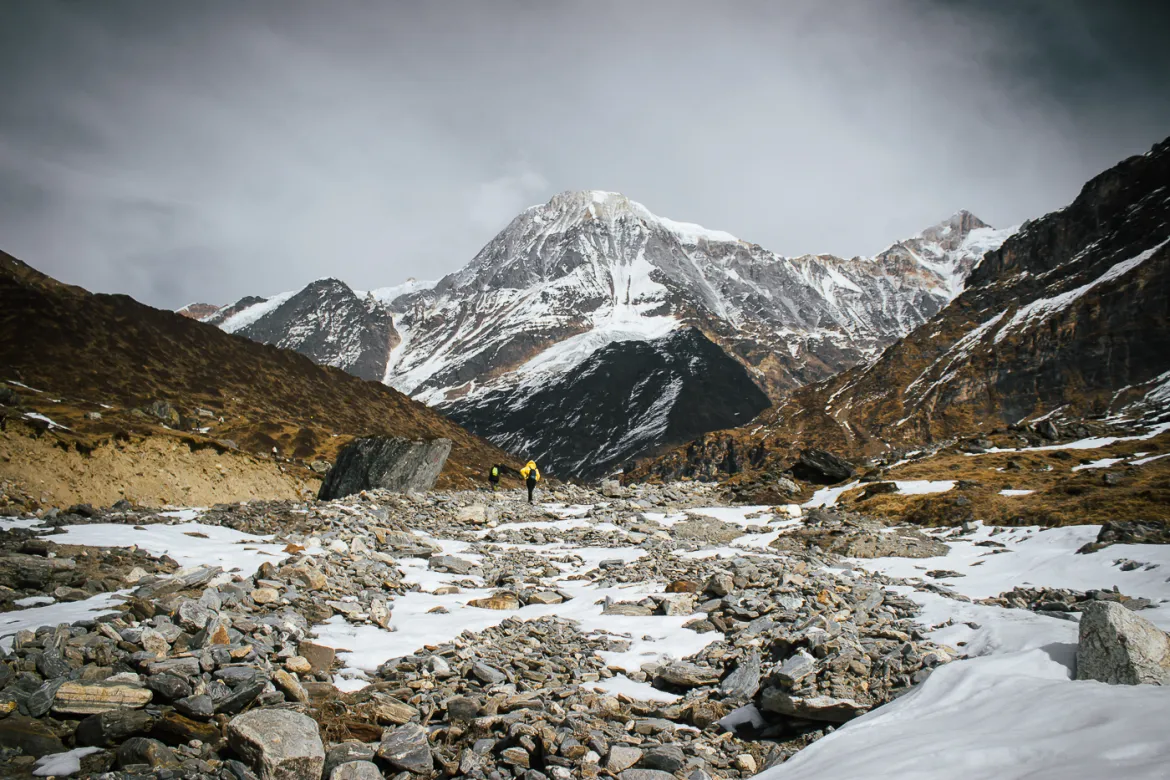
The Pindari Glacier trek is a moderate, 90 km round-trip trail in Uttarakhand reaching 3,820 m.
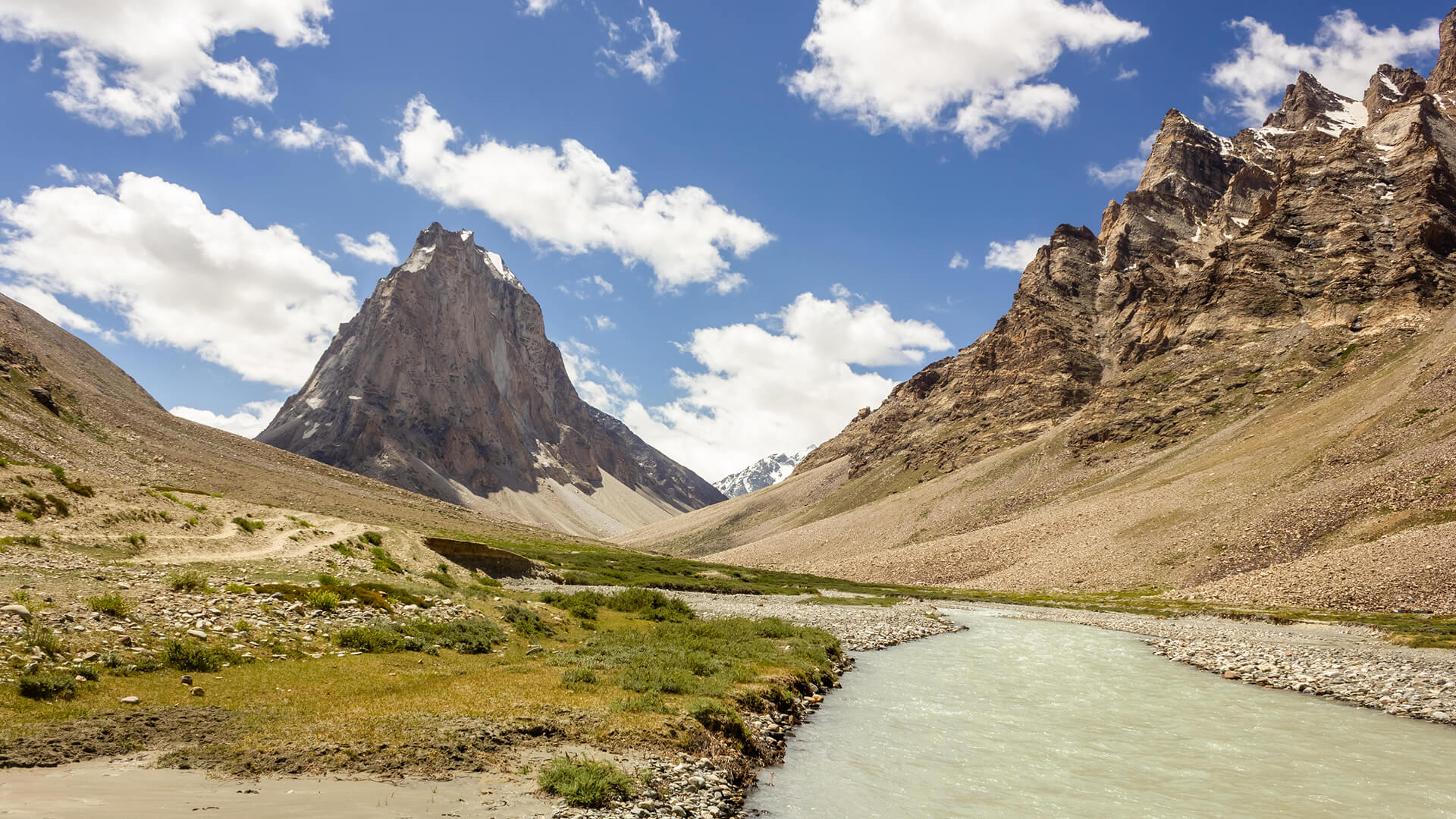
The Padum to Darcha trek covers ~115–120 km in 8–9 days, crossing Shingo La (~5,060 m) between Zanskar and Lahaul.